Donald Trump says there's a deal. Tehran says it’s a lie.
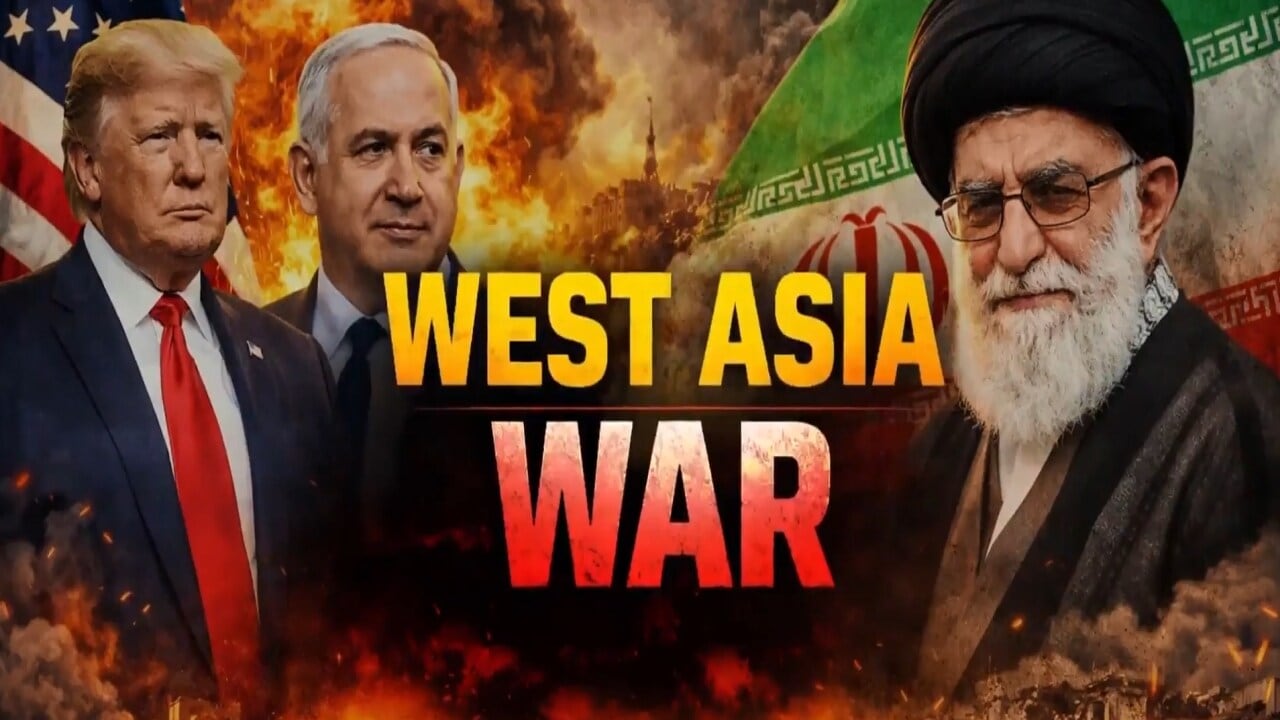
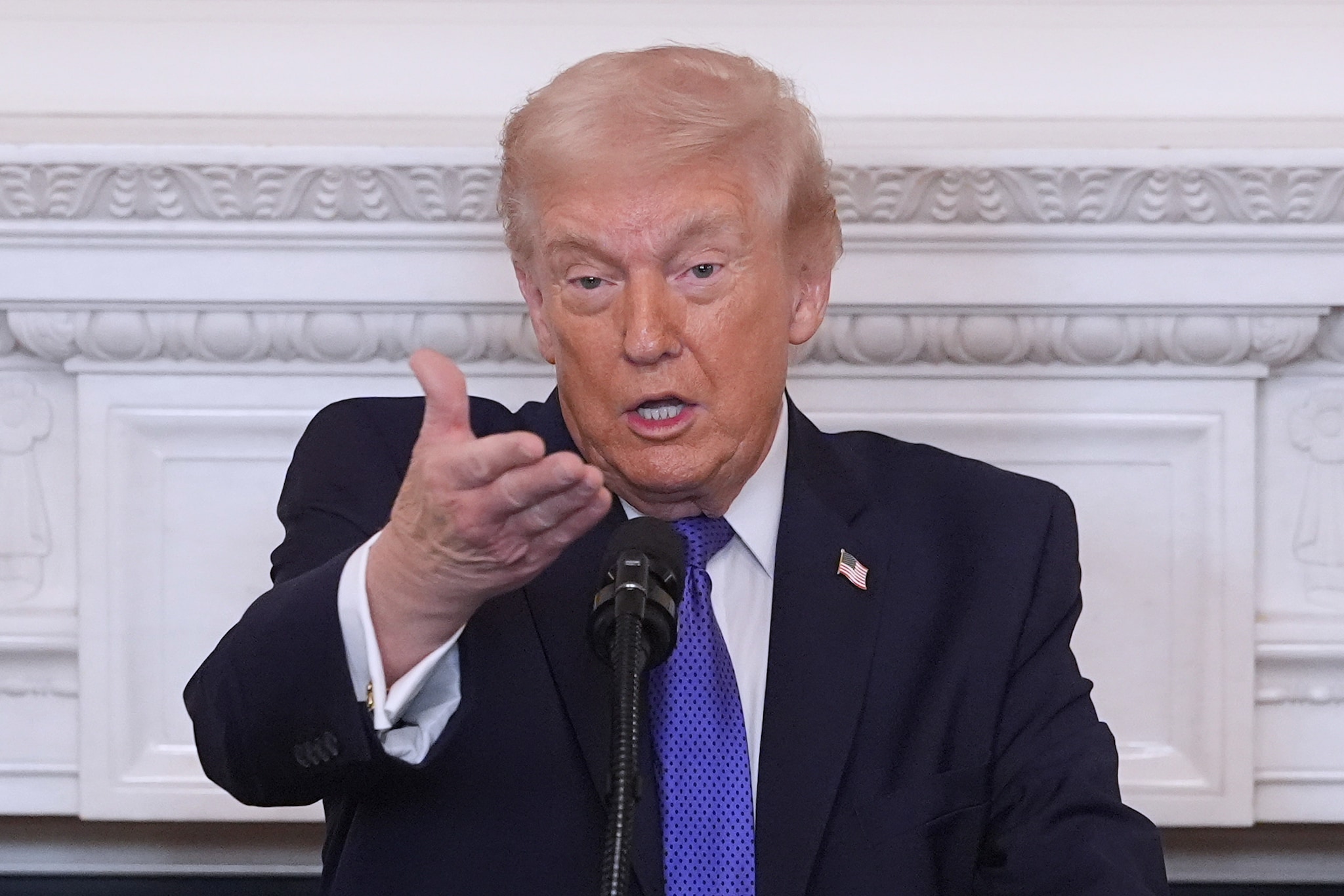
The latest drama between the U.S. and Iran just hit a fever pitch. On Monday, March 23, 2026, U.S. President Donald Trump took to Truth Social to announce he’d ordered a five-day pause on military strikes against Iranian power plants and energy sites. Why? Because, according to him, Washington and Tehran have had "very good and productive" talks over the last 48 hours. He even claimed his team—including Jared Kushner and Steve Witkoff—had been talking to a "most respected" Iranian leader.
But if you ask Iran’s Parliament Speaker Mohammad Bagher Qalibaf, the whole thing is a fantasy.
Qalibaf didn't mince words. He hopped on X to blast the reports as "fake news" designed to manipulate oil and financial markets. He thinks the U.S. and Israel are stuck in a "quagmire" and are trying to invent a diplomatic exit that doesn't actually exist.
The gap between Trumps claims and Irans reality
When Trump talks about "major points of agreement," it sounds like the war—which has been raging for nearly a month since the February 28 killing of Supreme Leader Ali Khamenei—is finally cooling off. Trump’s narrative is that Iran called him, begging for a way out. He hinted that a deal would involve Iran handing over its enriched uranium and walking away from its nuclear program for good.
But inside Iran, the tone is the complete opposite.
Qalibaf, a former Revolutionary Guard commander, isn't just a politician; he’s a hardliner who knows how the internal power structure works. His denial wasn't a soft "no comment." It was a rejection of the very idea that Iran is backing down. He argued that the Iranian people aren't looking for a deal—they're looking for "complete and remorseful punishment" for the strikes on their soil.
Why the oil market is the real target
You have to look at the timing here. The war has turned global energy markets into a disaster. Ever since Iran effectively choked off the Strait of Hormuz, oil prices have been swinging wildly.
By announcing a five-day pause and "productive talks," Trump effectively cooled those markets. Oil prices dropped almost immediately after his announcement. Iranian officials, including Foreign Ministry spokesperson Esmaeil Baghaei, see this as a calculated move. They believe Trump is using the idea of negotiations to:
- Lower energy prices that are hurting the U.S. economy.
- Buy time for his military to regroup or reposition assets.
- Manage the optics of a war that is becoming increasingly messy and expensive.
Who is the mysterious respected leader
One of the weirdest parts of this story is Trump’s refusal to name his contact. He said he couldn't name the person because he didn't want the guy to get killed.
Naturally, rumors started flying. The Jerusalem Post and other outlets pointed their fingers directly at Qalibaf. They suggested he was the one leading the backchannel talks via mediators in places like Islamabad, Pakistan.
Qalibaf’s response was a flat denial. To be fair, in the current Iranian political climate, being caught talking to Trump would be a death sentence—politically or literally. If Qalibaf is talking, he has to deny it to stay alive. If he isn't talking, then Trump is essentially talking to a ghost or a low-level official who has no authority to sign off on a nuclear surrender.
The Islamabad connection
There’s some weight to the idea that something is happening in Pakistan. Reports suggest that Turkish, Egyptian, and Pakistani officials have been acting as couriers.
- The Messenger: Messages are being passed through "friendly countries."
- The Content: The U.S. is pushing for an end to the blockade of the Strait of Hormuz.
- The Stance: Iran’s Foreign Ministry insists their "principled positions" haven't changed. They want the strikes to stop and the U.S. to leave the region before they even think about talking.
Deterrence or Deception
If you listen to the pro-government voices in Tehran, Trump’s five-day pause isn't a sign of diplomacy—it’s a sign of weakness. They’re framing it as Trump backing down because Iran threatened to strike American energy interests and desalination plants in the Gulf.
The logic is simple: Trump realized he couldn't "obliterate" Iran's power grid without losing his own bases' electricity or causing a global economic collapse. So, he called for a "pause" to save face.
It’s a classic case of two different stories for two different audiences. Trump is telling Americans he's winning and making deals. The Iranian leadership is telling their people they've forced the "Great Satan" to retreat.
What you should watch next
The next five days are basically a ticking time bomb. If there's no visible progress—meaning the Strait of Hormuz stays closed or another drone hits a tanker—Trump’s "productive talks" narrative will fall apart.
If you're watching the markets or trying to understand where this war goes, don't just look at the headlines. Watch the shipping data in the Gulf. If the ships don't start moving, the "deal" isn't real.
Keep an eye on the official statements from the Pakistani Foreign Ministry over the next 48 hours. If a high-level meeting in Islamabad is actually happening, the logistics will be impossible to hide. Until then, take any "major points of agreement" with a massive grain of salt.
The most practical thing you can do right now is prepare for continued volatility. Whether this is a real diplomatic breakthrough or just a clever market manipulation tactic, the underlying tension hasn't actually gone away. The red lines remain exactly where they were yesterday.