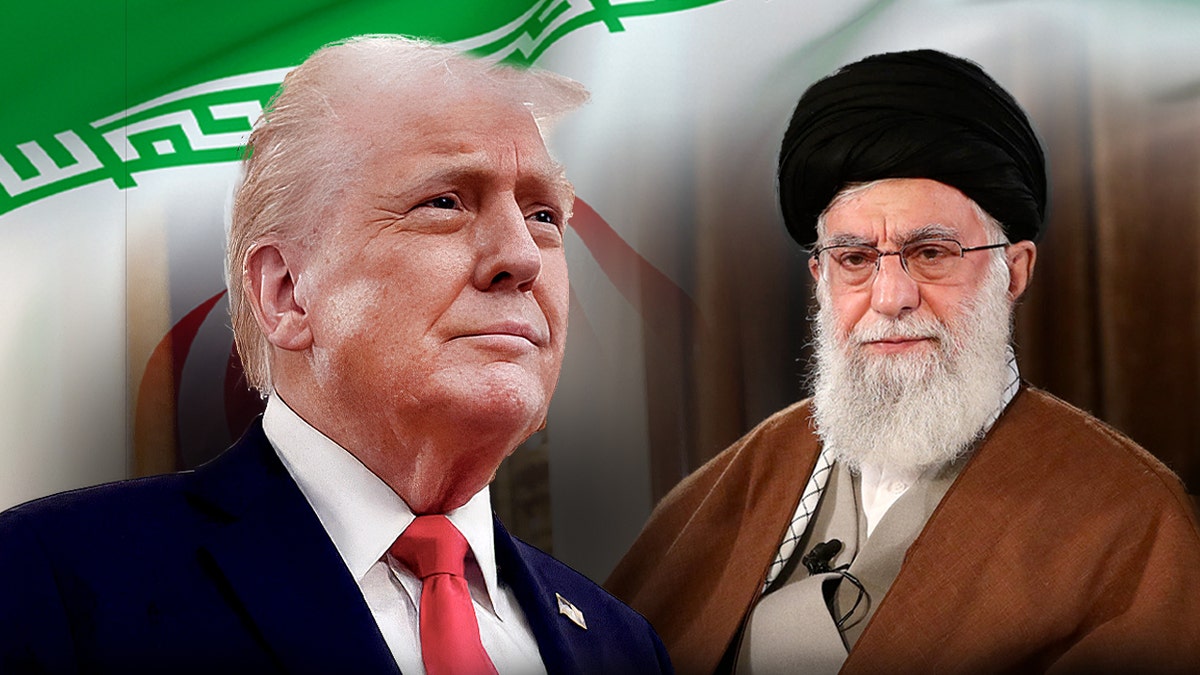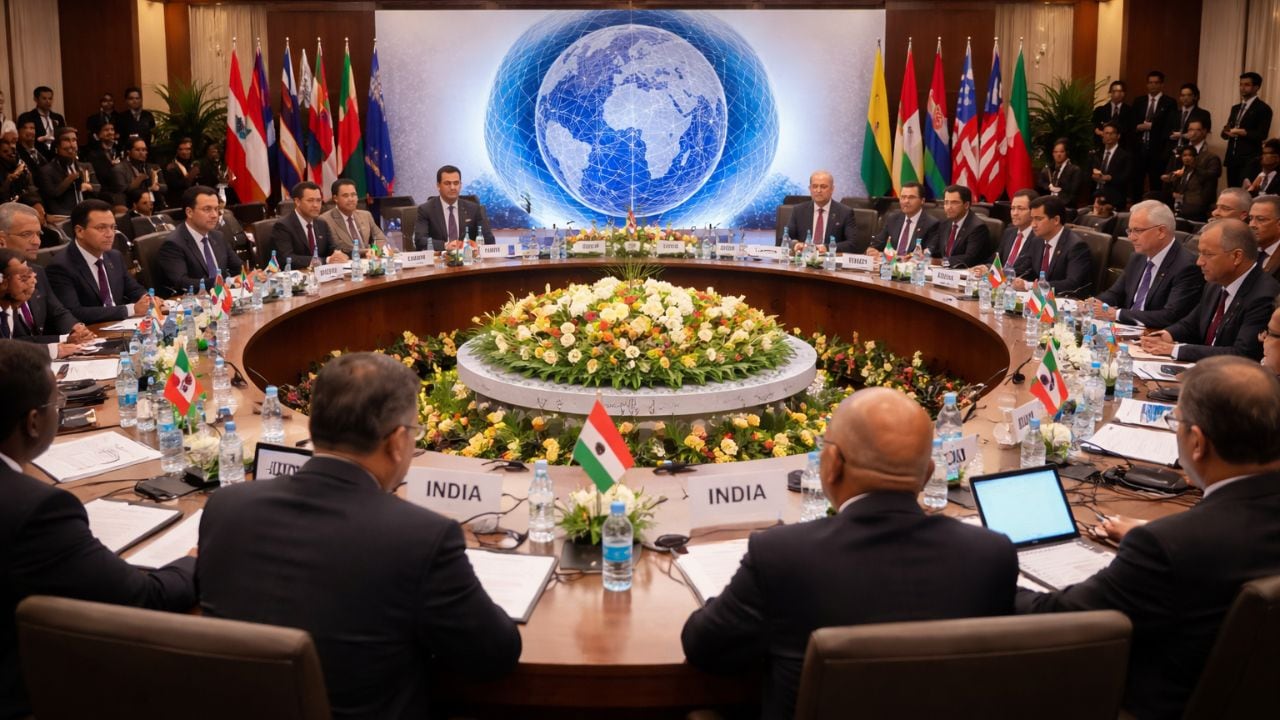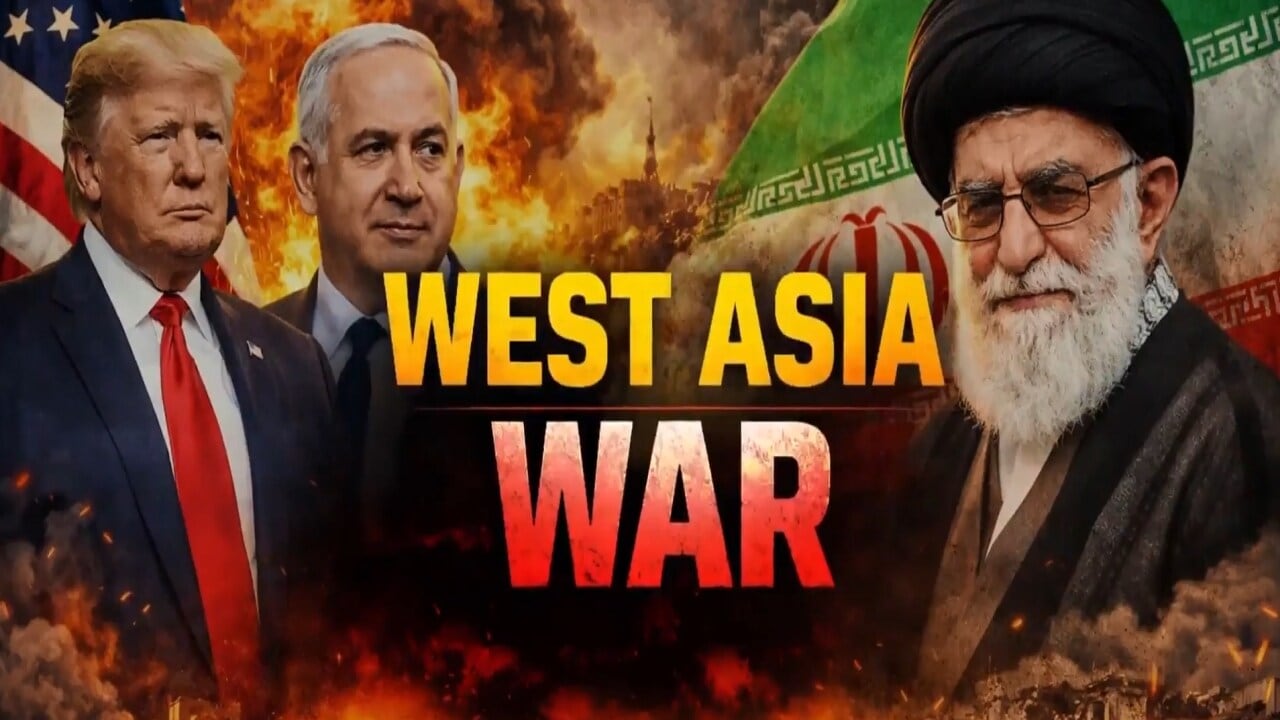
Washington and Tehran are talking again. It isn't happening in a grand ballroom with flags and cameras. Instead, it’s a quiet, high-stakes game of telephone played through intermediaries in Oman and Switzerland. Recent reports suggest these backchannel talks between the US and Iran are "making progress." While that sounds like standard diplomatic fluff, the reality on the ground in early 2026 tells a much more complicated story.
If you’ve followed this saga for years, you know the drill. Tensions spike, a "breakthrough" is teased, and then everything falls apart. But right now, the incentives have shifted. Both sides are backed into corners they can’t easily exit.
The Oman connection is back in play
Muscat has always been the preferred "safe house" for these conversations. The Omani government doesn't just provide a room; they provide a buffer. These latest rounds aren't about a grand bargain or a return to the 2015 nuclear deal—that ship sailed long ago. This is about "de-escalation for de-escalation’s sake."
Reliable reporting indicates that the primary focus remains a "freeze-for-freeze" style arrangement. The US wants Iran to cap its uranium enrichment levels and stop its proxies from hitting American assets. Iran wants its money back. Specifically, they want access to billions in frozen assets sitting in third-party banks.
It’s a transactional relationship. It isn't built on trust. It’s built on a mutual desire to avoid a full-scale regional war that neither country can afford. I've watched these cycles for a decade, and this is the most pragmatic the rhetoric has felt in years. They’ve stopped dreaming of peace and started focusing on not blowing each other up.
Why the progress is actually real this time
You might be skeptical. I get it. We’ve seen "progress" lead to nothing before. But look at the internal pressures.
The Biden administration—or any US administration heading into a high-pressure cycle—needs to keep oil prices stable. A flare-up in the Persian Gulf sends prices through the roof. Meanwhile, Iran is suffocating under sanctions. Their currency, the rial, has hit historic lows. The Iranian leadership knows that while they can survive on a "resistance economy," they can't thrive. They need the cash.
Beyond the money, there’s the nuclear clock. Experts at the International Atomic Energy Agency (IAEA) have repeatedly warned that Iran’s breakout time is now measured in days or weeks, not months. This puts the US in a position where they either have to strike or talk. They’re choosing to talk.
The proxy problem won't go away
One major sticking point in these backchannels is the behavior of "non-state actors." From the Houthis in Yemen to militias in Iraq and Syria, Iran’s "Axis of Resistance" is a massive headache for the State Department.
The US is demanding that Iran rein in these groups. Iran’s counter-argument is usually that these groups act independently. We all know that’s a half-truth at best. However, the fact that these specific attacks have seen a localized dip in frequency suggests that the "go-betweens" in Oman are actually getting messages through.
The Swiss role in the shadows
While Oman handles the regional politics, the Swiss still handle the logistics of the "protection power" role. This includes prisoner swaps and the technicalities of the "humanitarian channel."
Every time you hear about progress in backchannel talks, look for news about detainees. Prisoner releases are the traditional "down payment" on any larger deal. If we see a sudden movement of dual nationals being moved to house arrest or released, that’s your signal that the backchannel is burning hot.
What the media gets wrong about the talks
Most news outlets frame this as a binary: either they reach a deal or they don't. That’s not how diplomacy works in the Middle East. Success here doesn't look like a signed treaty on a desk. It looks like a phone call that prevents a retaliatory strike after a drone hit.
The progress being reported right now is likely "procedural." It means they’ve agreed on the format of how to move money or the threshold of what constitutes a "red line." It’s boring, technical stuff that keeps people alive.
The nuclear reality check
Let’s be honest about the nuclear side. Iran isn't going to dismantle its centrifuges. The US isn't going to lift all sanctions. These talks are about finding a "gray zone" where both can live.
- Iran stays at 60% enrichment instead of jumping to 90% (weapons grade).
- The US allows certain oil waivers to continue or unblocks specific funds for "humanitarian" use.
- The IAEA gets better camera access to sites like Natanz and Fordow.
It’s a messy, imperfect compromise.
How to track the next 90 days
Don't wait for a White House press release. If you want to know if these talks are actually working, watch three specific indicators.
First, look at the frequency of Houthi drone launches in the Red Sea. If those drop off without a corresponding increase in US strikes, a deal was likely struck in the dark.
Second, watch the IAEA quarterly reports. If the language shifts from "alarm" to "guarded optimism," the backchannel is functioning.
Third, keep an eye on the exchange rate in Tehran. The black market for US dollars in Iran reacts to these backchannel rumors faster than the New York Times can print them.
The US-Iran relationship is a grudge match that has lasted nearly half a century. We aren't seeing the end of the rivalry. We’re seeing a tactical timeout. For the global economy and regional stability, a timeout is more than enough.
Get your news from multiple sources to avoid the "echo chamber" of official government statements. Check the latest briefings from the International Crisis Group or the Stimson Center. They usually have a better pulse on what's happening in the Omani corridors than the talking heads on cable news. Stop expecting a "big bang" moment and start looking for the quiet shifts in shipping insurance rates and regional military posture. That’s where the real story lives.