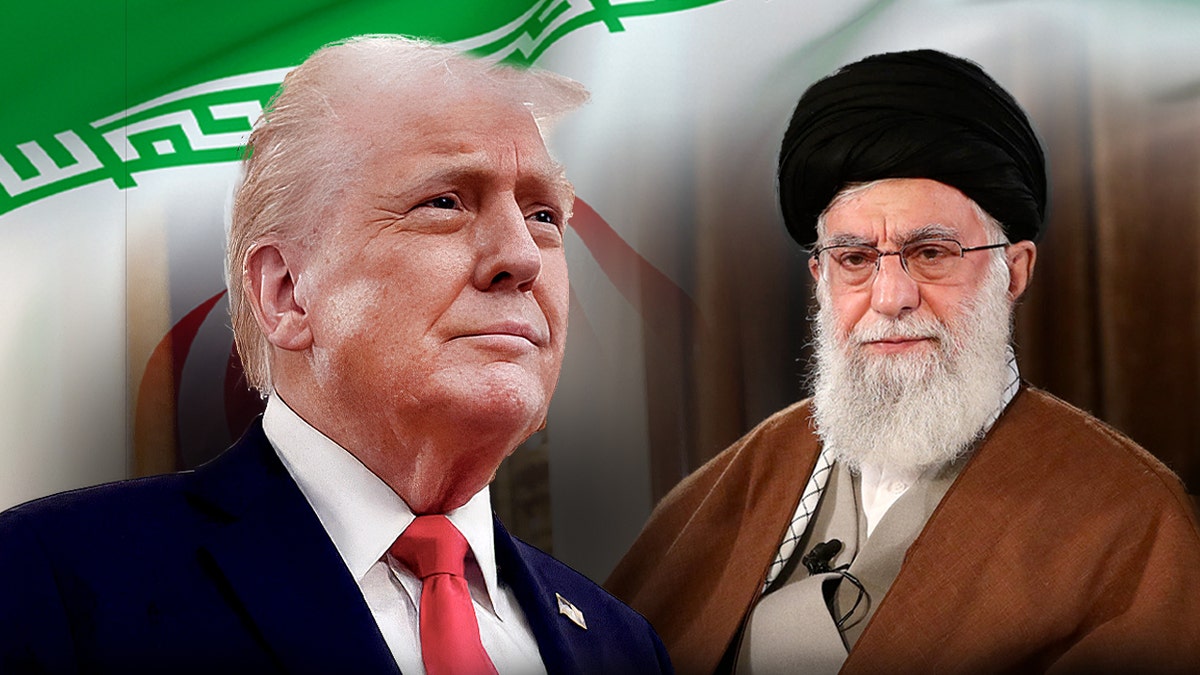
The clock is ticking again. If you've followed Donald Trump's foreign policy for more than five minutes, you know he loves a deadline. On Monday, he tossed a fresh one onto the table, giving Tehran exactly five days to play ball or face the "obliteration" of its power plants and energy infrastructure.
It's a classic high-stakes squeeze. Trump claims there are "major points of agreement" on a massive 15-point deal that would fundamentally rewrite the relationship between Washington and Tehran. He's talking about "very good and productive conversations" that supposedly happened behind the scenes. Meanwhile, Iran's foreign ministry is shouting from the rooftops that no such talks took place. Discover more on a similar issue: this related article.
So, who's telling the truth? And more importantly, what happens on Friday if the lights don't stay on in the negotiation room?
The 15 point ultimatum and the 5 day pause
Trump's latest move isn't just a random threat. It's an extension of an earlier 48-hour deadline that was set to expire Monday night. By pushing it back five days, he's effectively giving Jared Kushner and special envoy Steve Witkoff a work week to squeeze a "complete and total resolution" out of the Iranian leadership. More analysis by BBC News delves into similar perspectives on this issue.
The heart of the friction is this 15-point framework. While the full list hasn't been posted to Truth Social in a numbered list yet, the core demands are leaking out from every corner of the administration. Trump wants more than just a nuclear freeze; he's looking for a total dismantle.
- Total Uranium Stripping: Trump said the U.S. would literally "take it ourselves" when referring to Iran's enriched uranium.
- Ballistic Shutdown: Unlike the 2015 deal, this one demands a full stop to long-range missile development.
- Proxy Purge: A requirement to stop funding groups like Hamas and Hezbollah, which the administration blames for the regional chaos.
- The "Bomb Our Little Hearts Out" Factor: This isn't a metaphor. Trump has been blunt that if the Strait of Hormuz stays closed to shipping, the U.S. military is cleared to strike Iranian energy grids.
Why the sudden pivot to diplomacy
You might wonder why a president who recently rated the military performance against Iran a "15 out of 10" is suddenly talking about deals. Look at the gas pump. Since the shooting started on February 28, oil and gas prices have jumped over 50%. We're seeing an energy shock that makes the 1970s look like a minor hiccup.
Trump is a dealmaker, sure, but he’s also a politician who knows that $6 or $7 gas kills approval ratings. By announcing "productive talks," he's trying to settle the nervous energy markets. It worked—briefly. Brent crude took a dip right after his post, though it’s still hovering around the $100 mark.
He’s playing a dual game. He keeps the B-2 bombers fueled and ready to "hit and obliterate" power stations, but he keeps the door cracked just wide enough for Tehran to walk through. It's the ultimate "good cop, bad cop" routine, except he's playing both roles himself.
Tehran's denial and the mediation mystery
The weirdest part of this 2026 standoff is the "he-said, she-said" over the actual negotiations. Trump says Kushner and Witkoff had "very, very strong talks." Iran’s Foreign Ministry spokesperson says there hasn't been a single meeting since the bombing began 24 days ago.
It's likely that both are technically telling a version of the truth.
Oman, Turkey, and Qatar have been scurrying between capitals for weeks. When Trump talks about "conversations," he’s probably referring to these indirect channels. Iran denies direct talks because, domestically, the regime can't look like it's surrendering to "The Great Satan" while U.S. warships are sitting in the Persian Gulf.
But make no mistake, something is happening. You don't delay a massive airstrike on a whim. Trump is betting that the threat of losing their entire power grid will force the Ayatollahs to hand over the uranium.
What happens if Friday comes and goes
We've seen this movie before, but the stakes are higher now. The U.S. has already taken out chunks of the Iranian navy and air defenses. If this five-day window closes without a signature, the next phase is "infrastructure decapitation."
Targeting power plants isn't just about turning off the lights. It’s about stopping the factories, the water treatment, and the command-and-control systems. It’s a move designed to make the country ungovernable.
Critics say this is a recipe for a forever war. Supporters say it’s the only way to finally "finish" a regime that’s been a thorn in the side of U.S. interests for 47 years.
Your next steps for staying prepared
The situation is moving fast, and the next 120 hours will decide if we’re heading toward a generational peace or a total regional meltdown.
- Watch the energy markets: If oil prices start climbing again before Friday, it means the "smart money" doesn't believe a deal is coming.
- Monitor the Strait of Hormuz: The primary U.S. demand is the reopening of this shipping lane. Any movement of tankers there is a massive sign of de-escalation.
- Check official Truth Social updates: Love it or hate it, the President is bypasssing traditional briefings to set foreign policy deadlines in real-time.
Don't expect a quiet week. Whether it's a 15-point breakthrough or a 15-out-of-10 military strike, Friday is the new zero hour.