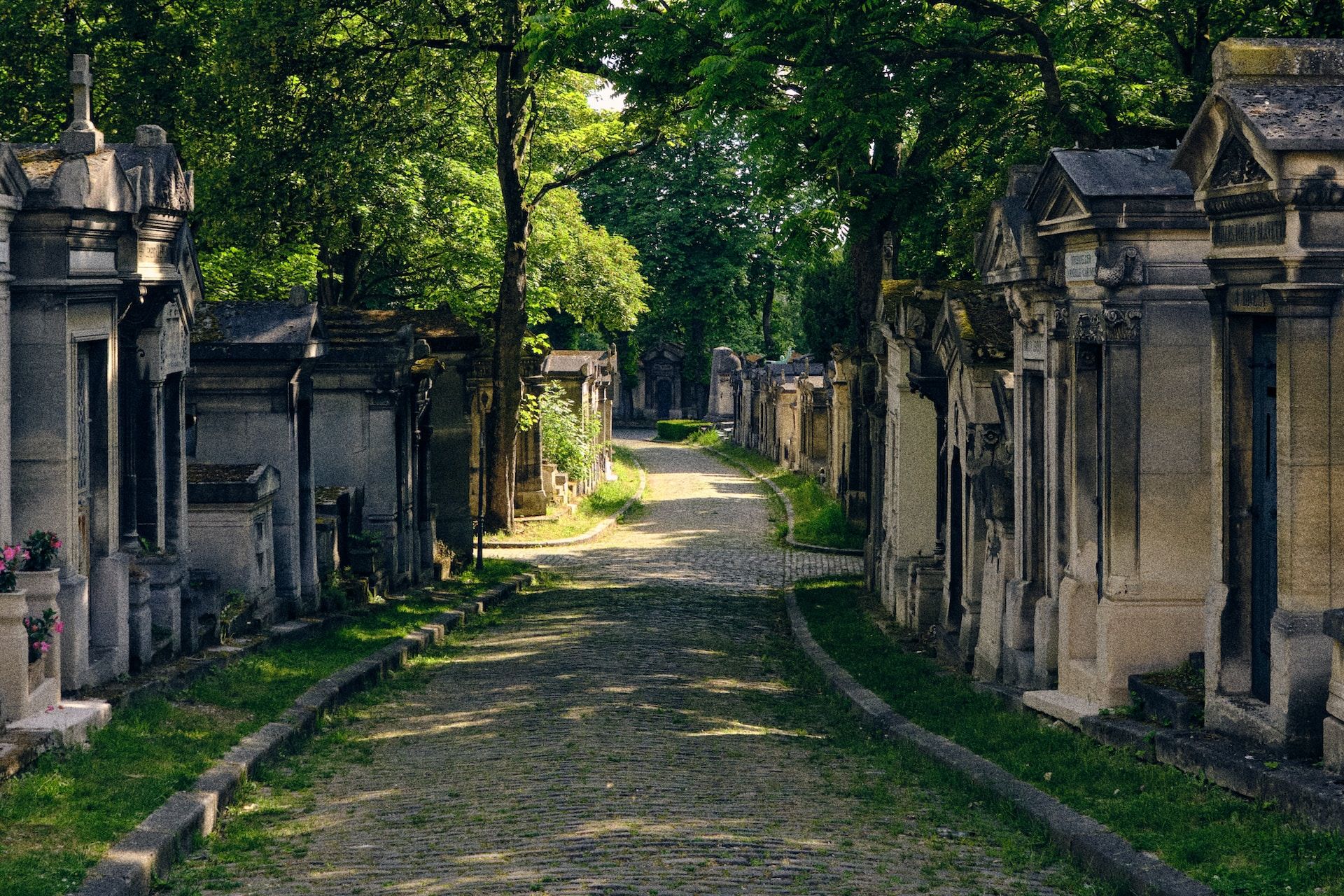
The headlines write themselves. A spray-painted tag on a headstone. A knocked-over monument in a Muslim section of a municipal cemetery. The immediate, reflexive outcry from the Interior Ministry follows like clockwork. Politicians rush to microphones to denounce "vile acts" and "attacks on Republic values."
They are missing the point. Completely.
We are stuck in a loop of performative outrage that treats every act of cemetery vandalism as a coordinated ideological strike. By framing these incidents solely through the lens of high-stakes religious warfare, we are ignoring the crumbling reality of urban neglect, the failure of secular integration models, and the sheer banality of most property crimes.
France doesn't have a "tomb crisis." It has a management crisis and a chronic addiction to symbolic politics over structural security.
The Myth of the Organized Insurgency
When a Muslim grave is desecrated, the media narrative immediately pivots to a rise in organized far-right extremism. It’s a clean, easy story. It fits the pre-existing grid of "Europe in conflict."
However, if you look at the forensic reality of these cases, the "insurgency" starts to look more like a lack of lighting and a surplus of bored teenagers. According to data from the Service Central de Renseignement Criminel (SCRC), a staggering percentage of cemetery vandalism is "opportunistic." It isn't carried out by disciplined political cells; it’s carried out by marginalized youth, often from the very neighborhoods where these cemeteries are located, looking for the highest shock value with the lowest effort.
By elevating a 16-year-old with a spray can to the status of a "threat to the Republic," the state grants these vandals exactly what they want: relevance. We are subsidizing the ego of petty criminals by treating their boredom as a national emergency.
Secularism as a Shield for Neglect
France prides itself on laïcité. In theory, this means the state is neutral. In practice, when it comes to cemeteries, it means the state is often absent.
Most French cemeteries are municipal. The local mayor’s office is responsible for upkeep and security. But because of the strict separation of church and state, many municipalities are terrified of appearing to provide "special treatment" to religious sections.
I have walked through communal graveyards in the suburbs of Lyon and Marseille where the "Muslim square" is tucked into the furthest, least illuminated corner of the property. Is that a conspiracy? No. It’s bad urban planning and a "last in, least served" mentality.
When these sections are targeted, it’s often because they are the most vulnerable physical locations in the park. They lack the cameras, the high walls, or the frequent patrols given to the historical (Catholic) sections near the main gates. We call it a hate crime because it’s easier than admitting we’ve failed to provide basic security for all citizens regardless of their faith.
The Economics of Outrage
Follow the money. Every time a high-profile vandalism case hits the news, millions of Euros are pledged to "anti-discrimination programs" and "intercultural dialogue."
Hardly a cent goes to physical security.
We are spending a fortune on pamphlets and seminars to teach people not to be racist, while the actual cemeteries remain pitch black at night with broken perimeter fences. It is the ultimate triumph of virtue signaling over pragmatism.
If the French government were serious about protecting Muslim graves—or any graves—they would stop funding "awareness" and start funding motion-sensor LEDs and infrared surveillance. But cameras aren't "republican symbols." They’re just tools. And French bureaucracy hates tools that actually solve problems because they eliminate the need for the bureaucracy itself.
The Failure of the "Sacred" Narrative
There is a stubborn insistence that cemeteries are sacred ground that should be self-policing through some sort of universal moral respect. That world is gone.
In the modern, fractured urban landscape, a cemetery is just another "non-place." It’s a park with better stones. If you don't secure it like a piece of critical infrastructure, it will be violated. To act surprised when a graveyard in a high-crime district is vandalized is either remarkably naive or intentionally deceptive.
We need to stop asking "How could someone do this?" and start asking "Why was it so easy for them to do it?"
The "How" is easy: a five-euro can of paint and a fence that a toddler could climb. The "Why" is usually a toxic mix of nihilism and a desire to see one’s handiwork on the evening news. By providing the news coverage, we provide the motive.
The Contrarian Fix: Total Desacralization of the Response
If we want to stop the vandalism of Muslim graves, we need to do the one thing the French state refuses to do: treat it as a boring, technical problem.
- End the Ministerial Visits: Every time a Minister travels to a cemetery to lay a wreath after a vandalism incident, a dozen more vandals take note. Stop the circus. Treat it like a broken bus stop. Clean it up quietly and move on.
- Infrastructure over Ideology: Redirect every Euro currently spent on "secularism workshops" into physical barriers. A two-meter reinforced wall does more for communal harmony than a thousand speeches about "living together."
- The "Broken Windows" of the Dead: Vandalism thrives in areas that already look neglected. If a cemetery has overgrown weeds, cracked paths, and dim lighting, it invites trouble. The state of Muslim squares in many French cities is an invitation to crime. Fix the landscaping, and you’ll fix half the crime.
We are currently choosing to have a culture war because it’s more exciting than a maintenance schedule. We are sacrificing the peace of the dead on the altar of political theater.
Stop looking for the "root causes" in the history books or the Quran or the manifestos of the far-right. The root cause is a broken lock and a dead lightbulb.
Fix the bulb. Lock the gate. Shut up about the rest.