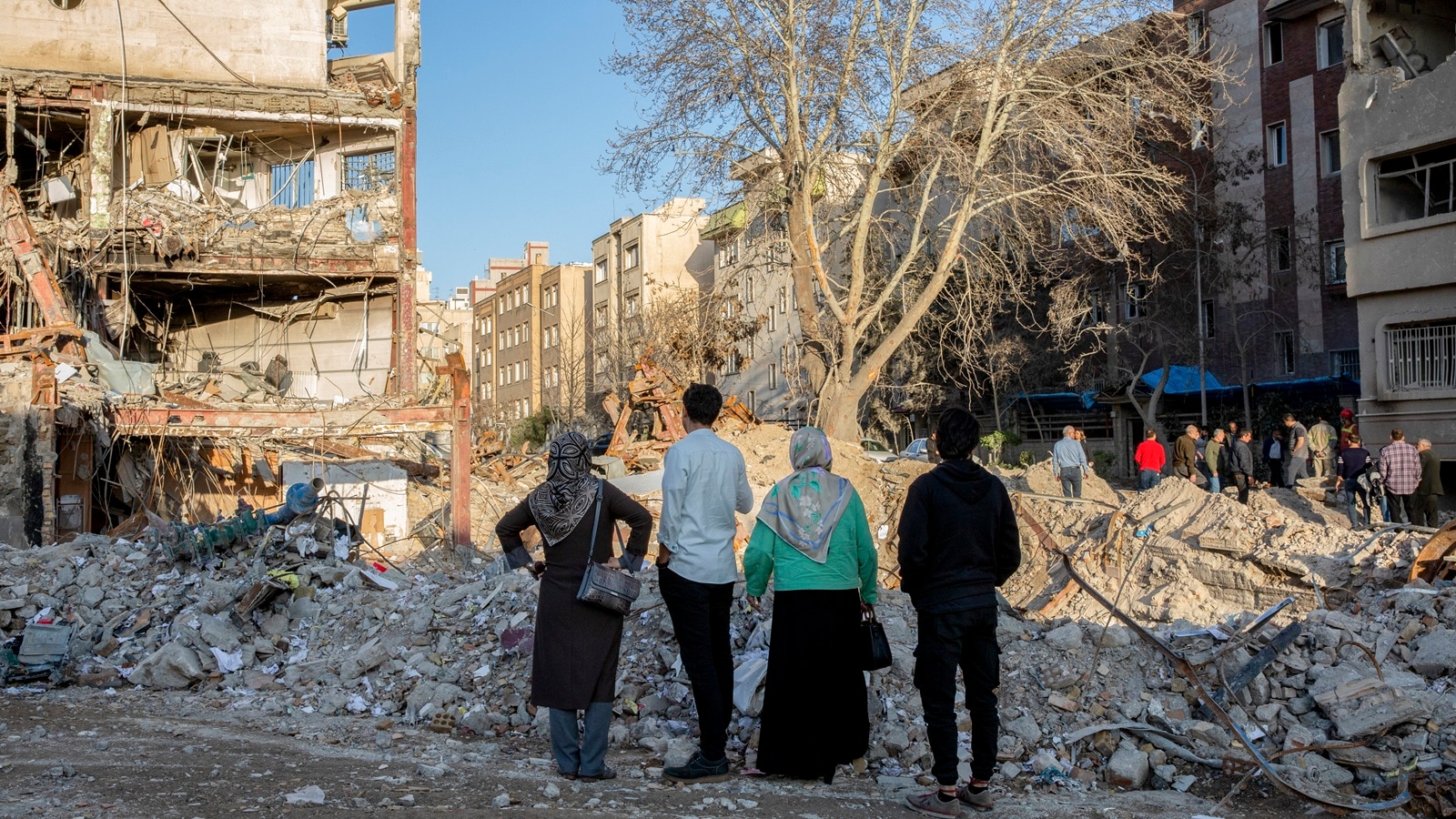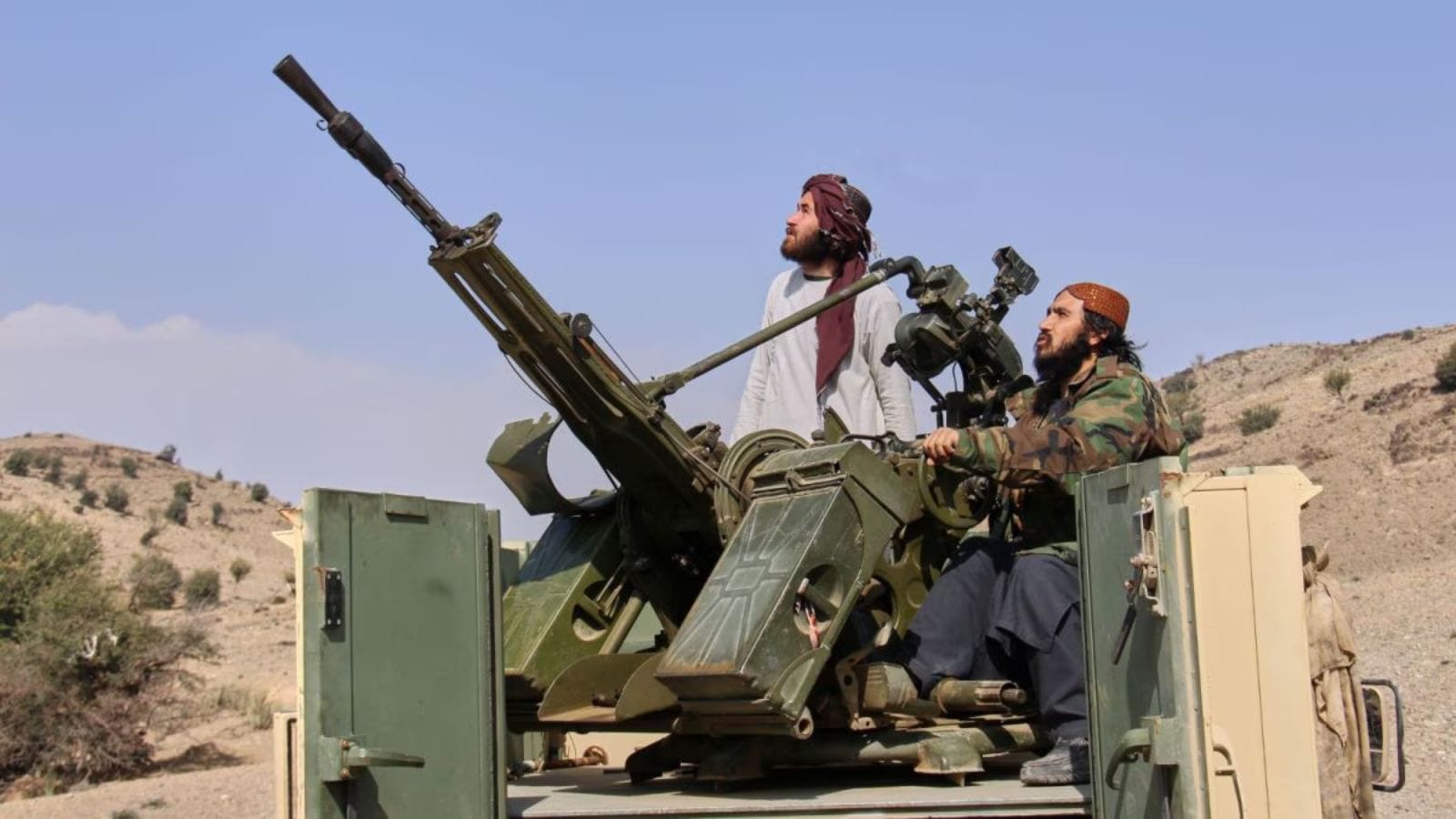
Imagine standing on a landmine while the field around you catches fire. That’s the reality for millions of Afghans living in Iran right now. They fled a broken homeland only to find themselves trapped in a geopolitical pressure cooker that’s rapidly reaching its boiling point. For decades, Iran was the default escape hatch for those fleeing the Taliban or economic collapse. Now, that hatch is slamming shut.
The situation has shifted from precarious to flat-out dangerous. You’ve got a massive population of refugees stuck between a host country that’s increasingly hostile and a homeland that remains a fundamentalist nightmare. It isn’t just about "migration" anymore. It’s about survival in a region where the margin for error has vanished.
Why the Iranian Welcome Mat Vanished
For years, the relationship between Iranian authorities and Afghan migrants was a complex dance of necessity and exploitation. Iran needed cheap labor for construction and agriculture. Afghans needed a place where they wouldn't get shot for having the wrong opinion. That deal is dead.
Economic sanctions have absolutely gutted the Iranian rial. When the local currency tanks, the first people to feel the squeeze are those at the bottom of the social ladder. Iranians are struggling to buy bread and eggs. In that environment, "the foreigner" becomes an easy target for populist anger. You see it in the streets and you see it in official policy. The Iranian government has signaled a massive shift toward mass deportation, aiming to expel millions of "unauthorized" foreigners by the end of the year.
This isn't just talk. We're seeing more checkpoints, more raids on workplaces, and a digital wall being built through mandatory biometric registration. If you're an Afghan in Tehran or Mashhad without the right papers, you're effectively living as a ghost. But even ghosts get caught eventually.
The Regional War Nobody Wanted
The shadow of broader conflict looms over everything. With tensions between Iran and Israel hitting record highs, the internal security apparatus in Iran is on high alert. Any large, undocumented population is viewed through the lens of a national security threat. There’s a paranoid edge to the way authorities are handling refugee communities now.
Think about the timing. Afghanistan is still reeling from the Taliban takeover. The economy there is a shambles. Human rights, especially for women, have been rolled back decades. When Iran pushes these people back across the border, they aren't just going "home." They’re being handed over to a regime that many of them risked their lives to escape.
It’s a brutal cycle. You flee the Taliban. You work for pennies in Iran. You get caught in a sweep. You get dumped at the Islam Qala border crossing with nothing but the clothes on your back. Then what? You start over, or you try to find a way to Turkey or Europe, risking the bullets of border guards and the greed of human smugglers.
Life on the Edge of the Border
The actual process of being forced out is harrowing. I’ve seen reports from humanitarian groups like the International Organization for Migration (IOM) that paint a grim picture. We’re talking about thousands of people daily being funneled through transit centers. These aren't orderly exits. Families get separated. People lose their life savings because they can't access Iranian bank accounts before they're shoved onto a bus.
The numbers are staggering. Over a million Afghans have been sent back or fled Iran in the last year alone. But the news cycle moves so fast that these individuals become just a statistic. They’re people like Ahmad, a construction worker who spent ten years building Tehran’s skyline, only to be detained while buying groceries and deported within 48 hours. He didn't even get to say goodbye to his kids.
The Exploitation Economy
Let's be real about the "voluntary" returns. Many Afghans leave because life in Iran has become an administrative prison. If you can't get a SIM card, can't rent an apartment, and can't send your kids to school, are you really staying by choice?
Discrimination has moved from the whispers of the street to the halls of government. Local officials in various Iranian provinces have banned Afghans from even entering public parks or buying bread at subsidized bakeries. It’s a policy of exhaustion. They want to make life so miserable that leaving seems like the only option.
But leaving for where?
The route to Turkey is guarded by walls and thermal cameras. The route back to Afghanistan is a dead end. This is the "two conflicts" trap. On one side, the threat of regional war and internal Iranian crackdowns. On the other, the repressive, starving reality of Taliban rule.
Why the World Ignores the Crisis
Western eyes are glued to Gaza and Ukraine. Afghanistan is "old news." This fatigue is a death sentence for refugees. Funding for the UN High Commissioner for Refugees (UNHCR) in the region is perennially short. When the money dries up, the protection disappears.
Iran feels it’s carrying a burden the rest of the world refuses to share. They aren't entirely wrong about the lack of international support, but using vulnerable people as political pawns is a human rights catastrophe. The "refugee cards" that used to provide a sliver of legality are being phased out or ignored.
What Actually Happens Next
If you're watching this situation, don't expect a sudden softening of hearts. The trend line is clear. Iran will continue to tighten the screws. The Taliban will continue to welcome back the "labor force" while offering them zero rights or safety.
The immediate reality for these families is a desperate scramble for documentation. If you have any connection to the humanitarian sector or regional policy, the focus has to be on two things: pressuring Iran to maintain basic human rights standards during deportations and ensuring that those who are sent back to Afghanistan aren't immediately targeted by the Taliban.
For those on the ground, the goal is simpler: don't get caught. But in a country moving toward total digital surveillance, "staying under the radar" is becoming a luxury of the past.
If you want to understand the scale of this, look at the border data from the IOM or the Norwegian Refugee Council. They track the flow of bodies, but they can't track the loss of hope. The next time you see a headline about Middle Eastern instability, remember the millions of Afghans who are the first to suffer and the last to be helped. They’re the collateral damage of a world that’s moved on.
Check the latest updates from the UN Refugee Agency (UNHCR) to see where the funding gaps are widest. Support organizations that provide legal aid to migrants within Iran. If you're following the geopolitical shifts, watch the border crossings—they tell the real story of the region’s stability long before the diplomats do.