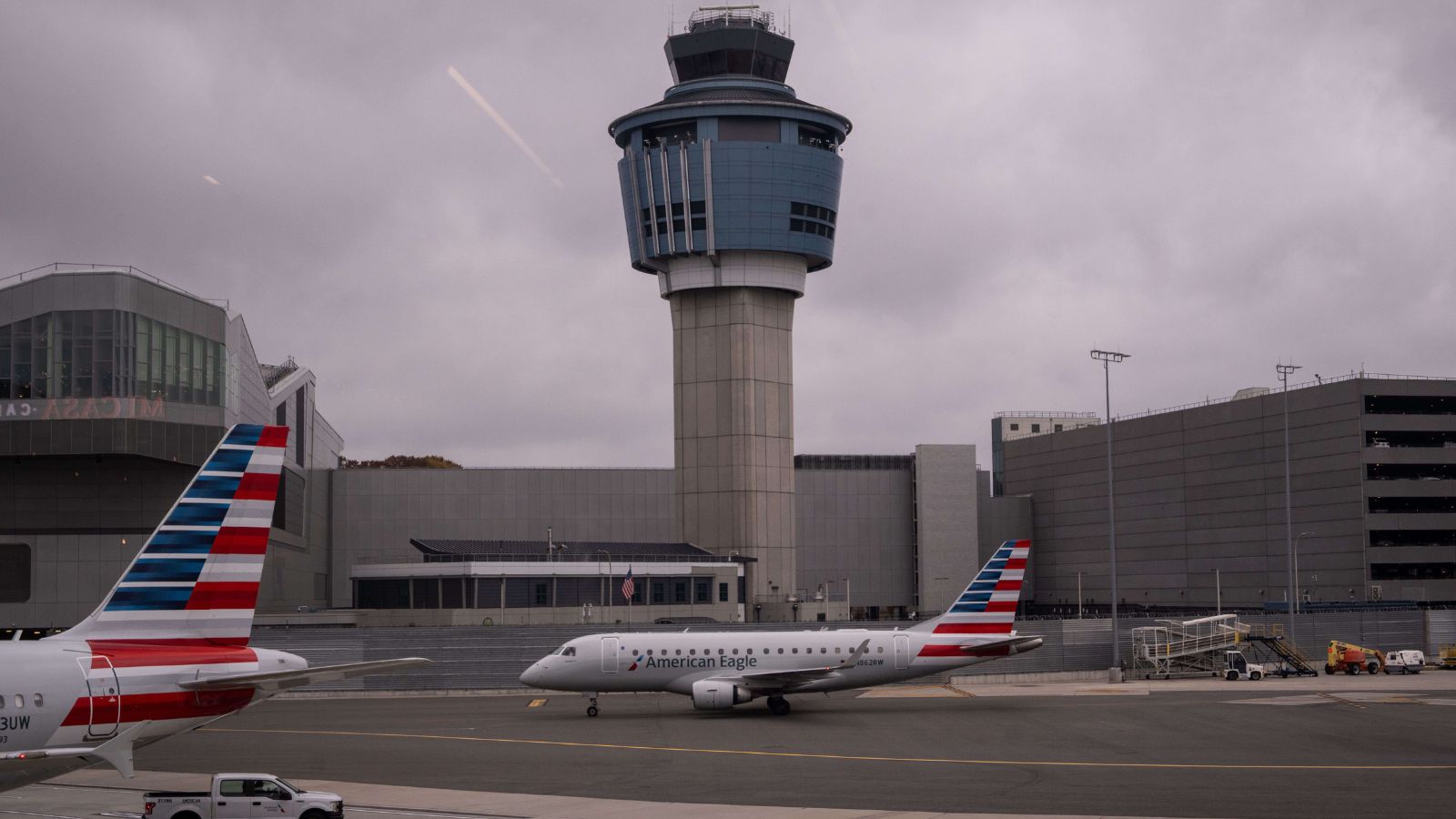
Air traffic control towers aren't supposed to smell like smoke. When they do, the entire regional aviation network grinds to a halt in seconds. That’s exactly what happened at Newark Liberty International Airport (EWR) on Monday morning, March 23, 2026. At 7:30 a.m., just as the Monday morning rush was hitting its peak, controllers detected a burning odor and abandoned the glass-walled tower that oversees one of the busiest chunks of airspace in the world.
The FAA confirmed the smell came from an elevator. It wasn't a massive fire, but it didn't matter. In aviation, you don't wait to see flames before you clear the building. The ground stop was immediate. If the people talking to the planes can’t breathe or have to run for their lives, the planes don’t move. It’s that simple.
The Chaos of a Thirty Minute Shutdown
You might think a 30-minute evacuation isn't a big deal. You're wrong. When Newark stops, it creates a ripple effect that touches every major hub from London to Los Angeles. During the pause, controllers had to relocate to a backup facility on-site. It’s a practiced drill, but it’s never "seamless."
By the time the FAA cleared staff to return to the primary tower around 8:30 a.m., the damage to the schedule was done. FlightAware data showed over 150 delays at Newark by midday. United Airlines, which uses EWR as a massive international gateway, took the brunt of it with 13% of its flights running late.
This wasn't just a random mechanical fluke in a vacuum. It happened while the New York aviation system was already screaming under the pressure of a tragedy. Just hours earlier, on Sunday night, a fatal collision at LaGuardia Airport involving an Air Canada regional jet and a fire truck killed both pilots. With LaGuardia closed, Newark was supposed to be the relief valve. Instead, it became another bottleneck.
Why Small Failures Are Creating Big Problems
It’s easy to blame an elevator motor and move on. But there’s a bigger, uglier picture here. This Newark incident is the second time this month that an "odor" has paralyzed a major US air corridor. Earlier in March, a similar chemical smell—later traced to an overheated circuit board—shut down air traffic control operations for four airports across D.C., Baltimore, and Richmond.
We're seeing a pattern of infrastructure fatigue. The system is being pushed to its limit while dealing with:
- Staffing shortages: We’re short on air traffic controllers and TSA agents.
- Budgetary gaps: The ongoing partial government shutdown means many of these essential workers are currently working without a paycheck.
- Infrastructure age: When elevators in critical safety towers start "grinding gears" (as fire officials noted at Newark), it’s a sign that maintenance isn't keeping up with the 24/7 demand of 2026 travel.
The Reality of Flying in 2026
If you're traveling through the Tri-State area right now, you're essentially walking into a perfect storm. The TSA staffing issues mean security lines are stretching into multi-hour ordeals. In fact, Hartsfield-Jackson in Atlanta is currently telling people to show up four hours early. Newark isn't far behind.
The Department of Homeland Security has started deploying ICE agents to major airports like JFK and Newark just to help manage the crowds. It’s a "break glass in case of emergency" kind of move. When you add a tower evacuation on top of that, the system doesn't just bend; it breaks.
What You Should Do Right Now
Don't trust the "everything is back to normal" headlines. Operations resumed, but the backlog takes all day to clear. If you have a flight today or tomorrow:
- Check the tail number: Use an app like FlightRadar24 to see where your actual plane is coming from. If that plane was stuck on the tarmac at Newark during the ground stop, your 2 p.m. departure isn't happening at 2 p.m.
- Re-evaluate your connection: If you have a tight connection through Newark or JFK today, call your airline now to see if they’ll move you to a direct flight or a different hub. They’re usually more flexible when a ground stop is involved.
- Monitor the shutdown news: As long as the government remains partially closed, expect more "glitches." Overworked staff and deferred maintenance are a dangerous combo for your itinerary.
The Newark evacuation was a minor mechanical issue with major systemic implications. It’s a reminder that in the world of high-stakes aviation, a single bad smell is enough to stop the world.