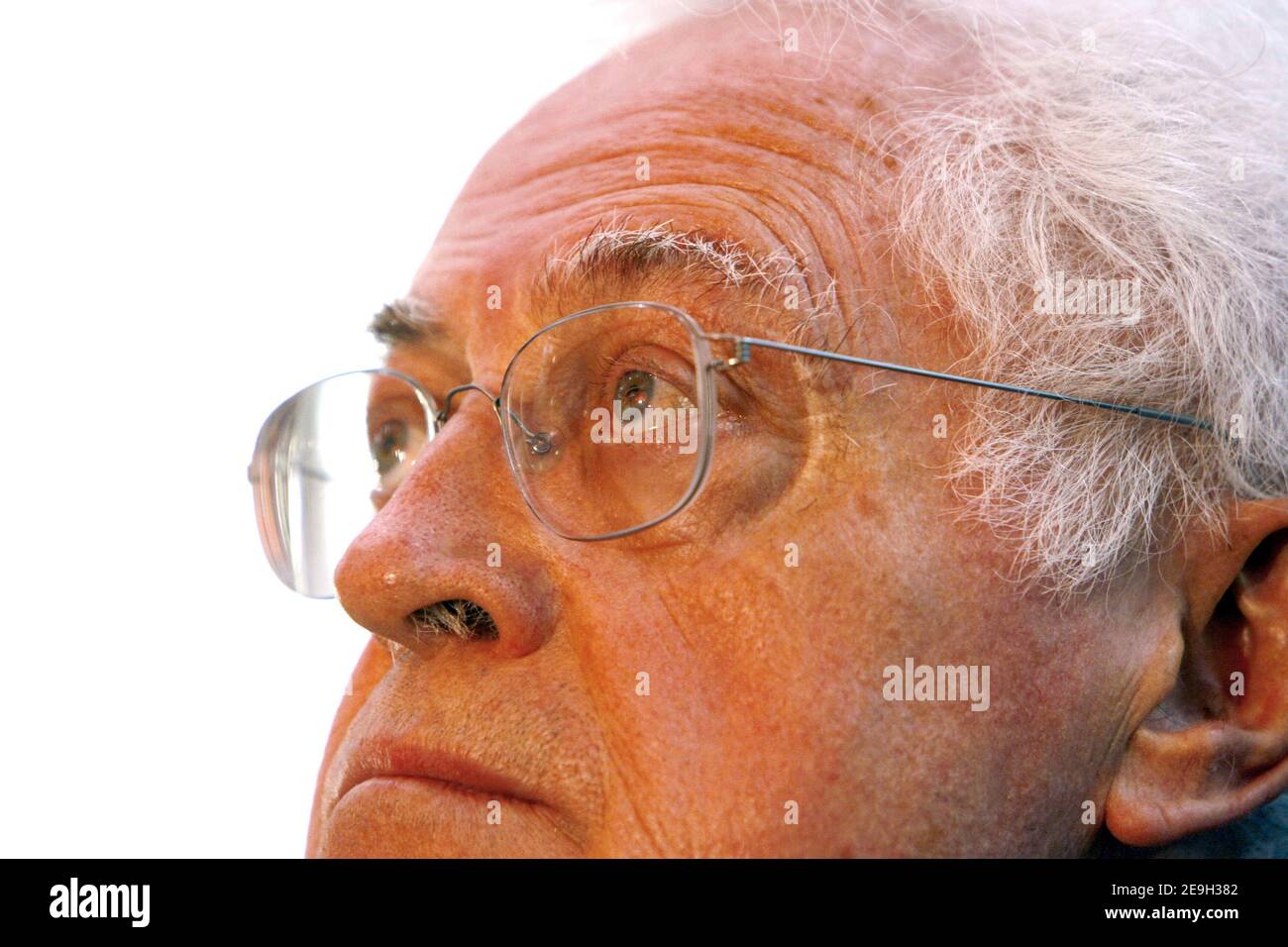
Lionel Jospin is gone at 88. For many in France, his passing feels like the final chapter of a specific kind of dignity in power that just doesn't exist anymore. He wasn't a flash player. He didn't do the modern "Jupiterian" style of leadership that we see today. He was the "Protestant of the Left"—austere, rigid, and intensely focused on the grind of governing.
The news of his death marks the loss of the last great architect of "cohabitation." That’s the weird French political setup where a President and a Prime Minister from opposing parties have to share the keys to the car. Jospin did it with Jacques Chirac from 1997 to 2002. It was a five-year boxing match, and Jospin held his own by simply outworking everyone else.
If you weren't following French politics in the late nineties, it's hard to explain how much he actually changed the daily lives of citizens. He didn't just talk about social progress. He codified it. From the 35-hour workweek to the Universal Health Coverage (CMU), his fingerprints are all over the modern French state. He was a man of the state, through and through.
The 35 Hour Week and the Jospin Legacy
People still argue about the 35-hour workweek. Critics say it killed French competitiveness. Supporters say it saved the soul of the working class. Jospin didn't care about the optics as much as the implementation. He believed that sharing work was the only way to fight the chronic unemployment that plagued the era.
He was a Trotskyist in his youth, a secret he kept for a long time. That radical spark stayed with him, even as he put on the suit of a high-ranking civil servant. When he took over as Prime Minister, he inherited a country that was restless. He responded with a flurry of reforms that would be unthinkable in today's polarized environment. He privatized more than the right-wing governments before him, yet he expanded the safety net more than any socialist since Mitterrand. It was a contradiction that worked because of his personal integrity.
He was famously "boring." In a world of political showmen, Jospin was the guy with the files. He knew every sub-clause. He knew the budget numbers by heart. He didn't use teleprompters. He used his brain. That’s why his defeat in 2002 felt like such a massive, tectonic shift.
The 2002 Earthquake and the Exit from Politics
You can't talk about Lionel Jospin without talking about April 21, 2002. It’s a date etched into the brain of every French person over a certain age. Jospin, the sitting Prime Minister with a solid record, was knocked out in the first round of the presidential election by Jean-Marie Le Pen. The far-right made the runoff, and the left was left in the cold.
It was a humiliation. Jospin didn't linger. He didn't make excuses. He didn't blame the voters. He stepped to the microphone, announced his retirement from politics, and walked away. He stayed away, too. Aside from the occasional interview or a seat on the Constitutional Council, he didn't try to pull strings from the shadows. He had a sense of shame, something we could use a lot more of in 2026.
His exit left a vacuum that the French Socialist Party never truly filled. Since Jospin, the left has struggled to find that balance between ideological purity and the pragmatic reality of running a G7 nation. He was the last one who made it look like it was actually possible to do both.
Why Jospin Still Matters in a Polarized World
Today’s politics is about vibes. Jospin was about substance. He represented the ENA (École nationale d'administration) tradition at its best—highly educated, deeply patriotic, and profoundly serious. He saw himself as a servant of the Republic. When he spoke, people listened because they knew he’d actually read the brief.
He oversaw the transition to the Euro. He managed the integration of France into a rapidly globalizing world while trying to keep the "French Exception" alive. He was a man of the 20th century trying to bridge the gap into the 21st. His death isn't just about a person. It’s about the passing of a standard of behavior.
If you want to understand why France is so divided right now, look at what Jospin did. He provided a center of gravity. Even his enemies respected him. Chirac hated his politics but feared his competence. That kind of grudging respect is the lubricant of democracy. Without it, the whole machine starts to grind and spark.
What to Read to Understand the Jospin Years
If you're looking to get a real handle on how he shaped modern France, don't just read the obituaries. Look at the data from the late nineties. Look at the drop in unemployment during his "Plural Left" government.
- Research the "Loi Aubry"—that’s the actual legislation for the 35-hour week. It’s a masterclass in complex social engineering.
- Look into the "Pacs" (Civil Solidarity Pact). Jospin pushed this through against massive conservative opposition. It laid the groundwork for marriage equality years later.
- Check out his memoir, Le Temps de répondre. It’s dry, sure, but it’s honest. He doesn't sugarcoat his failures.
His life was a long lesson in the "morality of action." He believed that being right wasn't enough; you had to be effective. He was the last Prime Minister to leave office with his dignity fully intact, even in defeat. We won't see his like again soon.
To truly honor this type of legacy, stop looking for the most charismatic person in the room. Start looking for the one who has actually done the homework. Jospin proved that the "boring" path is often the one that leads to the most radical progress. Go back and look at the 1997 election results to see how a fractured left can actually unite when a serious person leads them. It’s a blueprint that is sitting right there, waiting for someone to pick it up again.