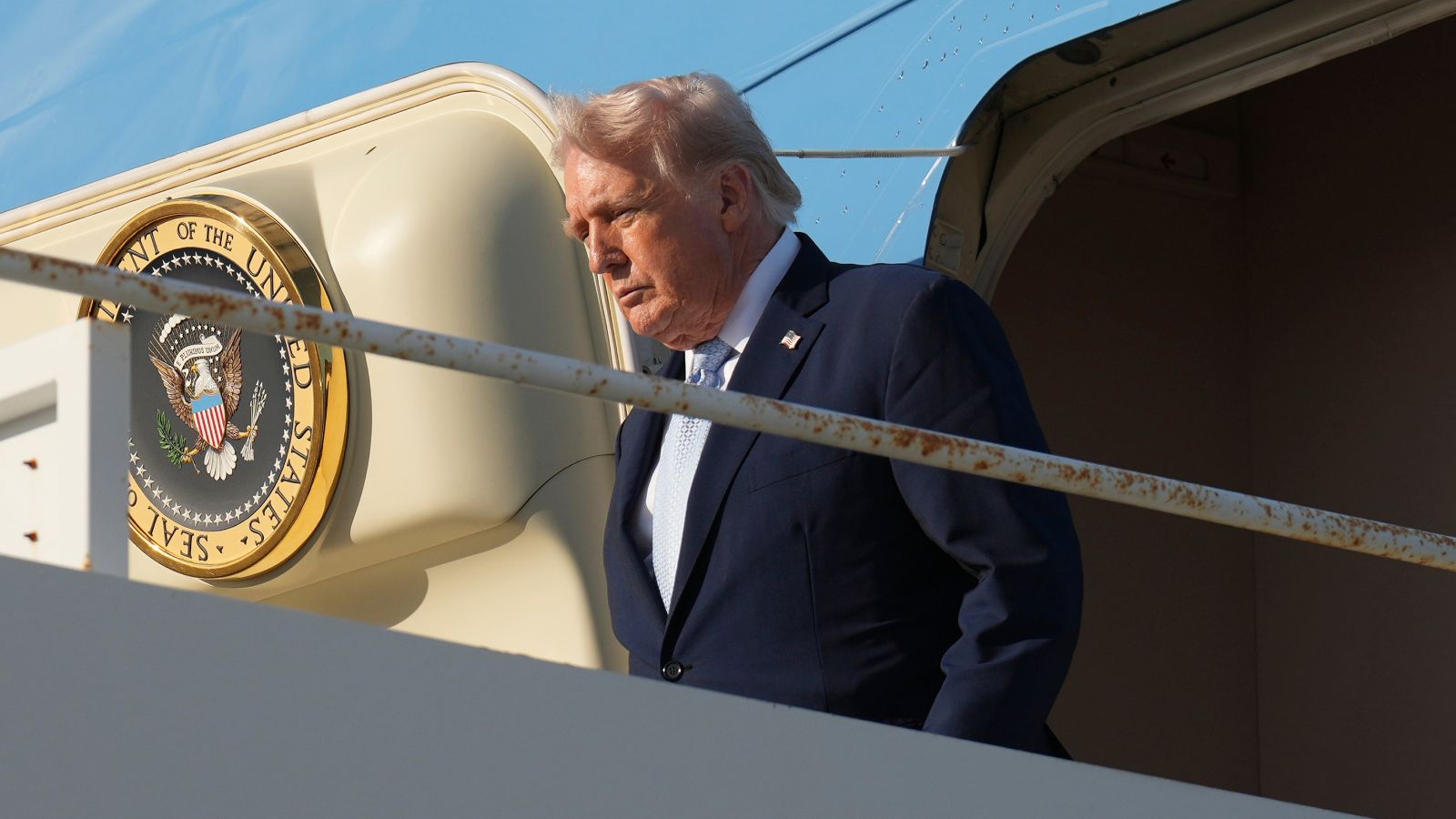
Donald Trump just flipped the script on his own "48-hour ultimatum" in West Asia. If you’ve been following the frantic headlines, you know the vibe changed fast. One minute he's threatening total fire and brimstone unless hostages are released, and the next, he's backing a five-day pause in hostilities. It’s classic Trump. He uses a massive hammer to get everyone to the table, then suddenly switches to the role of the deal-maker. But don't let the shift in tone fool you into thinking the pressure is off. This isn't a retreat; it’s a tactical pivot that reveals exactly how his administration plans to handle the most volatile region on earth in 2026.
People are asking if he’s softening his stance. They want to know if the "ultimatum" was just a bluff that didn't work. The reality is more complex. By moving from a rigid 48-hour deadline to a structured five-day window, the administration is giving regional players—specifically Iran and its proxies—a very narrow hallway to walk through. It's a "put up or shut up" moment wrapped in the language of diplomacy.
The Logic Behind the Sudden Pivot
Why the change? It isn't because the threats weren't real. It’s because a 48-hour window in the Middle East is basically a blink of an eye. Logistics for hostage releases or troop repositioning take time. If you blow everything up on hour 49, you lose your leverage. You can’t negotiate with a crater. The five-day pause acts as a high-stakes trial period. It’s a way to see who is actually in control of the various factions on the ground.
If the rockets stop for five days, it proves there's a central authority capable of making a deal. If they don't, it gives the U.S. the moral and political high ground to say, "We gave you a chance." It’s about optics as much as it is about internal military strategy. Trump’s team knows that the global community is weary of endless kinetic conflict. By offering this pause, they’re signaling that the "America First" approach isn't just about dropping bombs—it's about forcing a resolution by any means necessary.
De-escalation or Just a Refuel
We've seen this movie before. In international relations, a "pause" is often just a chance for both sides to re-arm and re-position. However, the 2026 context is different. The economic pressure on regional actors is at an all-time high. Sanctions have bitten deep. Domestic unrest in several West Asian capitals means the leadership there is desperate for a win—or at least a way to stop the bleeding.
Trump is betting that these leaders fear his unpredictability more than they hate each other. That’s the core of his West Asia policy. By hinting at de-escalation, he’s dangling a carrot. "Play ball, and we can talk about trade and stability. Keep fighting, and the 48-hour clock comes back with a vengeance." It’s a brutal, transactional form of diplomacy that ignores the traditional State Department playbook. And honestly, in a region where the old playbook has failed for decades, it’s the only thing that seems to get a response.
What the 48-hour Ultimatum Actually Accomplished
Don't think the initial ultimatum was a failure. It served its purpose. It shocked the system. It forced every foreign ministry from Doha to Tehran to hold emergency meetings. It moved the needle. You don't get a five-day pause discussed seriously unless you first convince everyone that you're willing to go to war in 48 hours.
The "ultimatum" was the opening gambit. It established the ceiling of the conflict. Now, the "pause" is establishing the floor. Most analysts missed this. They saw a "climbdown." I see a tightening of the noose. When you give someone five days after threatening them with two, they feel like they’ve won a concession. They’re more likely to give something up in return. It’s Negotiation 101, but played out with carrier strike groups and ballistic missiles.
Regional Reactions and the Silence of the Proxies
Watch the proxies. That's where the real story lives. Groups like Hezbollah and various militias in Iraq have been uncharacteristically quiet during this specific pivot. Usually, a U.S. threat met with a "pause" would be greeted with triumphalist rhetoric. Not this time. There’s a palpable sense of "wait and see."
The regional powers know that the 2026 version of the U.S. military isn't interested in a twenty-year occupation. They’re interested in precision strikes that take out leadership and infrastructure. That changes the math for a local commander. If you know the guy in the White House doesn't care about "nation building" and just wants to "solve the problem," you're a lot more careful about breaking a ceasefire.
How This Impacts Global Energy Markets
The markets love a pause. Oil prices, which spiked during the 48-hour window, have started to stabilize. But they haven't dropped back to pre-crisis levels. Traders are smart. They know a five-day pause is fragile. One "rogue" rocket launch can end the whole experiment.
If you're looking at this from a business perspective, the volatility is the point. The U.S. is using its energy independence as a shield. Unlike in the 1970s or even the early 2000s, a flare-up in West Asia doesn't cripple the American economy. It hurts the buyers in Europe and Asia far more. This gives Trump an incredible amount of leeway. He can afford to let the region simmer or boil because the domestic fallout is contained. This leverage is what makes the five-day pause a position of strength rather than a sign of weakness.
Moving Beyond the Headlines
Stop looking for a "peace plan." There isn't one in the traditional sense. There is only a series of tactical maneuvers designed to reduce U.S. involvement while maintaining U.S. interests. The 48-hour threat and the 5-day pause are two sides of the same coin. They are tools of disruption.
The goal isn't to solve the 2,000-year-old grievances of the Middle East. It’s to make sure those grievances don't cost American lives or dollars in 2026. If a five-day pause leads to a hostage release, Trump wins. If the pause is violated and he launches a massive strike, he tells his base he kept his word. Either way, he stays in control of the narrative.
You should keep a close eye on the specific language coming out of the White House over the next 120 hours. Look for keywords like "verification" and "immediate compliance." If the rhetoric stays sharp despite the pause, the ultimatum is still live. It's just on a temporary snooze.
Identify the key players in your own portfolios that are sensitive to West Asian stability. Don't wait for the five days to end before making your move. History shows that in this region, the most significant actions happen in the silence before the deadline expires. Watch the troop movements near the borders and the diplomatic flight paths into Oman and Qatar. That’s where the real deal is being hammered out, far away from the cameras and the social media posts. The pause is the theater; the logistics are the reality.