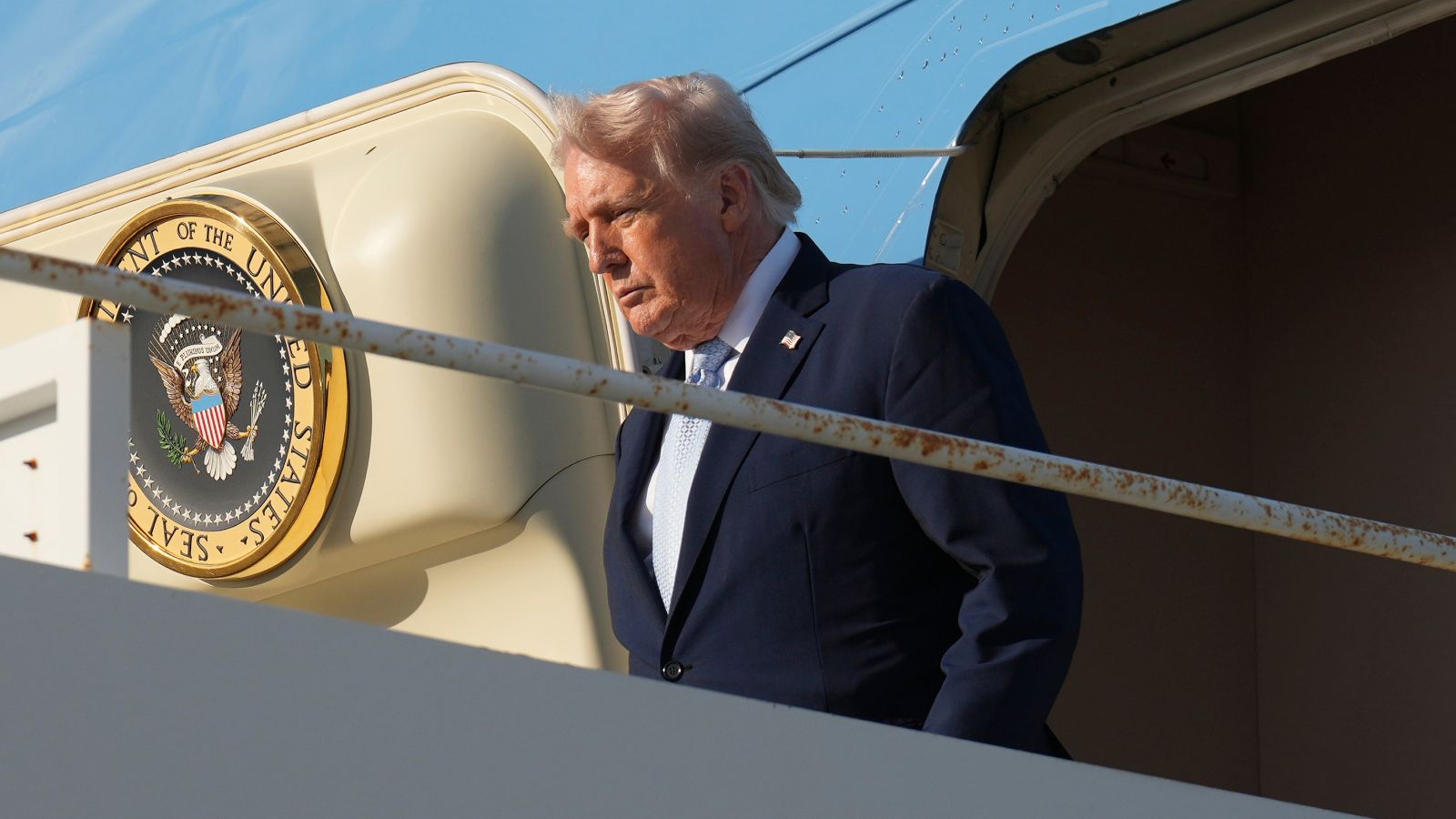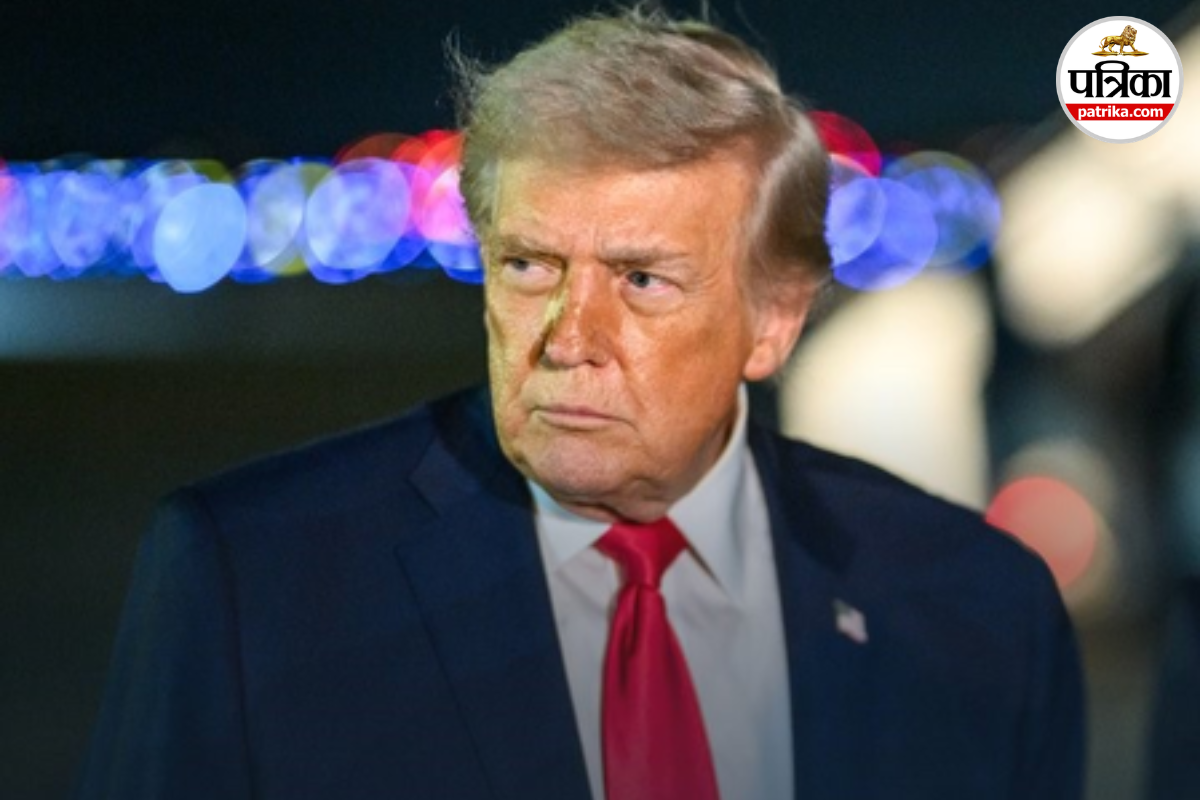
The deadline was set for 8:00 p.m. EDT on Monday. President Donald Trump, true to a career defined by high-stakes brinkmanship, gave Tehran exactly forty-eight hours to reopen the Strait of Hormuz or face the "obliteration" of its power grid. For two days, the global economy held its breath as Brent crude flirted with $120 a barrel and the specter of a total regional meltdown loomed.
Then, as the clock ticked toward zero, the tone shifted. In a flurry of social media posts and Palm Beach press huddles, Trump announced a five-day reprieve, citing "very good and productive conversations" with an unnamed, respected Iranian official.
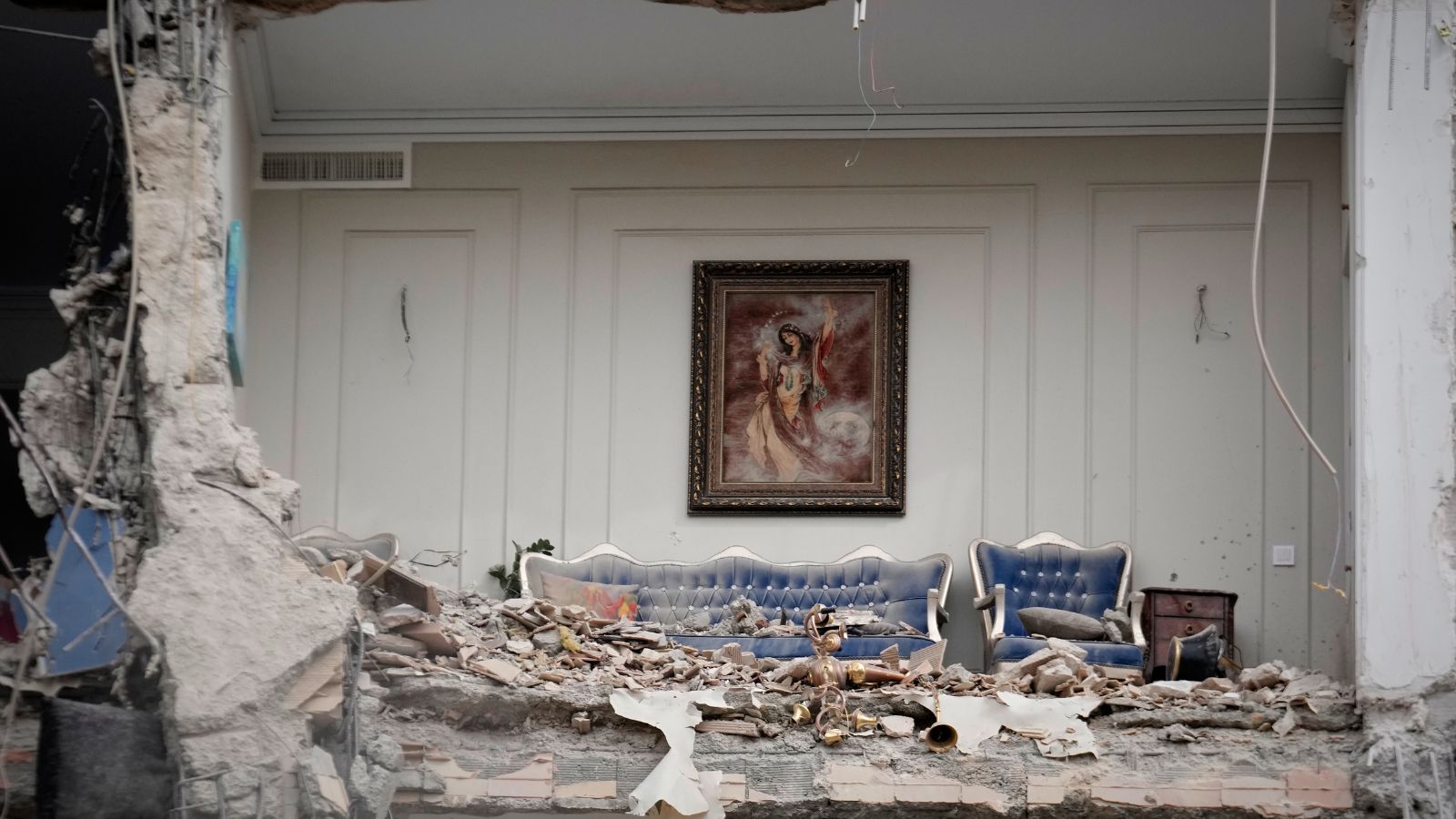
But behind the scenes, the reality of "Operation Epic Fury" is far messier than a simple ultimatum. This is not just a story of a president making threats; it is the story of a military campaign that has already killed a Supreme Leader, shattered the regional status quo, and left both Washington and Jerusalem grappling with the classic problem of every Middle Eastern intervention: what happens when the enemy refuses to quit?
The Brinkmanship of the Power Grid
Trump’s threat to "obliterate" Iranian power plants was a calculated move to hit the regime where it is most vulnerable. Iran’s "mosaic defense"—a decentralized strategy designed to survive the decapitation of its leadership—is heavily dependent on domestic infrastructure. By targeting electricity and desalination plants, the U.S. isn't just seeking to darken Tehran; it is seeking to spark an internal collapse by making the country uninhabitable for its 85 million citizens.
The Iranian response was swift and asymmetric. Within hours of the U.S. ultimatum, Tehran released a list of "legitimate targets" across the Gulf. This included the UAE’s Barakah nuclear power plant and various desalination facilities that provide the literal lifeblood of the Arab states.
This is the "Doomsday Scenario" that energy analysts have feared for decades. We are no longer talking about a localized skirmish between Israel and Iran. This has evolved into a war against the very infrastructure of the modern Middle East.
The Secret Diplomacy in the Shadows
While the White House publicizes a five-day extension, the diplomatic channels tell a more conflicted story. Trump claims that Jared Kushner and Steve Witkoff have held "very, very strong talks" with Iranian representatives. Meanwhile, the Iranian Foreign Ministry has issued a flat denial, calling the claims "fake news" designed to manipulate oil markets.
Who is telling the truth? Most likely, neither side is giving the full picture.
Sources in Muscat suggest that indirect talks are indeed happening, mediated by Oman, but they are far from the "complete and total resolution" Trump is pitching to the American public. Iran is playing for time. By dangling the possibility of a deal, they hope to delay further strikes on their energy sector while they fortify their remaining missile batteries and wait for the U.S. public’s appetite for war to sour.
Why Operation Epic Fury is Stalling
The initial strikes on February 28 were devastating. The killing of Ali Khamenei was supposed to be the knockout blow that led to immediate regime change. Instead, it created a vacuum filled by the Revolutionary Guard's most radical elements.
Israel and the U.S. are currently trapped in a strategic misalignment:
- Jerusalem’s Goal: Prime Minister Netanyahu views this as an existential necessity. For Israel, "finishing the job" means the total destruction of Iran’s military and nuclear capability, regardless of how long it takes.
- Washington’s Goal: Trump wants a win he can put on a billboard. He wants a "deal" that lowers gas prices before the summer travel season and allows him to claim he ended a war he started.
This friction is the primary reason for the recent "flip-flop" on the deadline. Trump realized that obliterating the Iranian grid would lead to a retaliatory strike on Gulf oil facilities that would send global markets into a tailspin. He is trying to win a war without paying the economic price of one.
The Strait of Hormuz Bottleneck
The closure of the Strait of Hormuz is the single most effective weapon in Iran’s arsenal. They don't need a superior navy to win; they only need to make the waterway uninsurable. By mining access routes and using low-cost drones, they have effectively cut off the transit point for 20% of the world’s petroleum.
The U.S. has deployed a massive armada to the region, but clearing mines in a contested environment is a slow, grinding process. Every day the Strait remains closed, the pressure on the Trump administration grows. The president’s offer of a five-day "reprieve" is less an act of mercy and more a recognition that the U.S. military cannot yet guarantee the safety of commercial shipping in the face of Iranian "total war."
The Emerging Regional Reordering
We are seeing a profound shift in how regional players view American protection. The UAE and Saudi Arabia, long considered U.S. allies, are now finding themselves in the crosshairs of Iranian missiles because of American actions they were reportedly not consulted on.
The UAE’s recent calls for "lasting security beyond a ceasefire" suggest a growing desire for a regional arrangement that doesn't rely solely on the whims of whoever sits in the Oval Office. If Iran can hold the world’s water and power supply hostage, the old security umbrellas are officially obsolete.
Trump’s gamble is that he can use the threat of total destruction to force a "15-point deal" that includes the total dismantling of Iran’s nuclear program. It is a maximalist position that has failed every administration for forty years. Whether five days or five months, the clock is no longer on Washington's side.
Expect the next forty-eight hours to be defined by frantic, back-channel scrambling in Muscat and Doha. If the talks fail, the five-day extension will be remembered as the last moment of quiet before the lights went out across the Persian Gulf.
Would you like me to analyze the specific economic impact these threats are having on the global natural gas market?