In November 2025, while the world watched the fallout of a brief but bruising summer war between Israel and Iran, Benjamin Netanyahu gathered a handful of advisers in a room where the air was thick with a single, terminal directive. The objective was the elimination of Ayatollah Ali Khamenei. While the public narrative at the time focused on containment and "mowing the grass" regarding missile sites, the private reality was far more absolute. This "small forum" set a deadline for mid-2026, assuming Israel would eventually have to strike the Supreme Leader alone.
That timeline shattered in late December. Mass anti-regime protests across Iran, fueled by a collapsing rial and the lingering scars of the June 2025 conflict, turned a strategic "maybe" into a tactical "now." When the regime began showing signs of a cornered animal—preparing preemptive strikes against Israeli and American assets to distract from domestic chaos—Jerusalem and Washington stopped talking about containment. They started talking about the end.
The Architecture of the November Directive
The existence of the "small forum" reveals a fundamental shift in Israeli doctrine. For decades, the assassination of a head of state was considered a "red line" that carried the risk of total regional conflagration. However, by November 2025, the Netanyahu administration had concluded that the 12-day war in June had failed to provide long-term deterrence. Despite the destruction of key nuclear facilities at Fordow and Natanz by U.S. GBU-57 "bunker busters," intelligence suggested Tehran was rebuilding its missile production at a rate that would see 8,000 ballistic missiles in their inventory by 2027.
Israel Katz, the Defense Minister, recently admitted that the initial plan was a solo Israeli venture. They were operating under the assumption that the U.S. political climate might not support a decapitation strike. The plan was slated for June 2026. It was a cold calculation: if the nuclear program could not be killed by hitting the labs, they would hit the man who signed the checks.
The December Acceleration
The catalyst for moving the date up by four months wasn't a military development, but a civilian one. The protests that erupted on December 28, 2025, were different from the 2022 movement. These were desperate, driven by an economy in a free-fall that even the most hardened IRGC units couldn't suppress without mass slaughter.
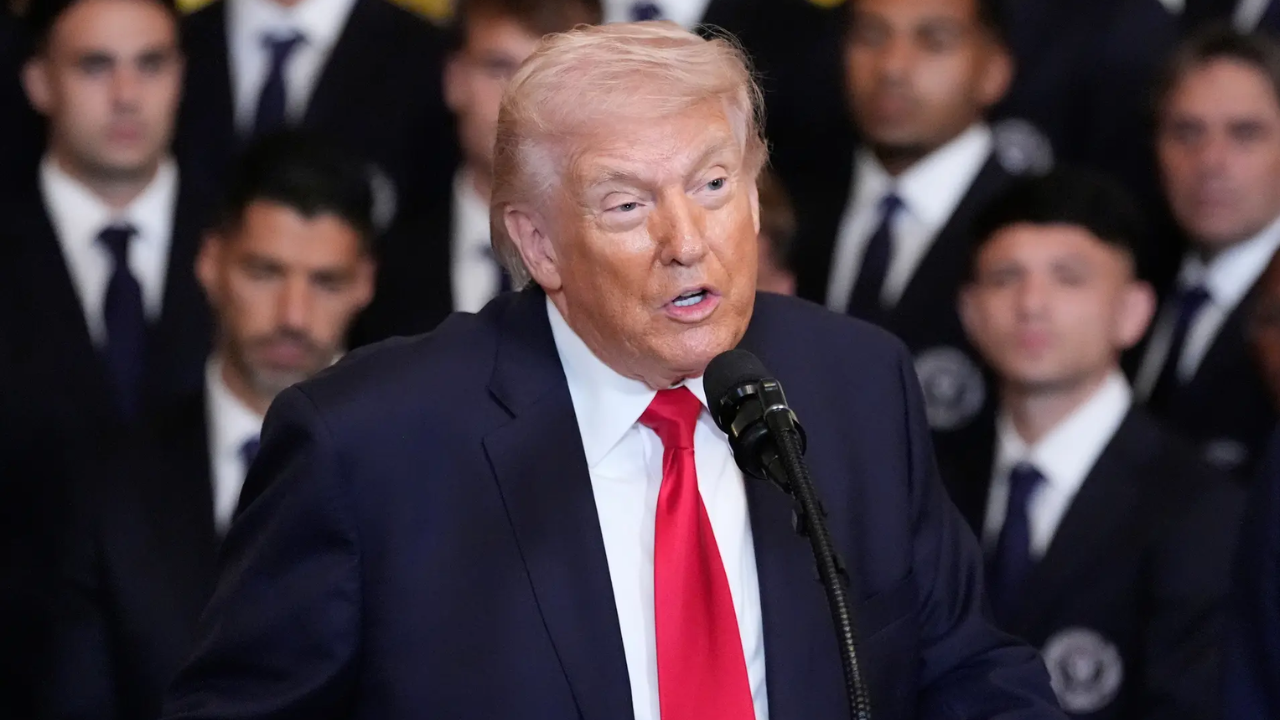
As the death toll from regime crackdowns climbed into the tens of thousands, Netanyahu and U.S. President Donald Trump began a series of direct dialogues. The "strategic window" had opened. Israel feared that if they didn't act, the regime would launch a desperate "diversionary war" to unite the country. The joint operational planning process, dubbed Operation Lion's Roar by Israel and Operation Epic Fury by the U.S., was finalized in weeks, not months.
The Saturday Strike and the Assembly of Experts
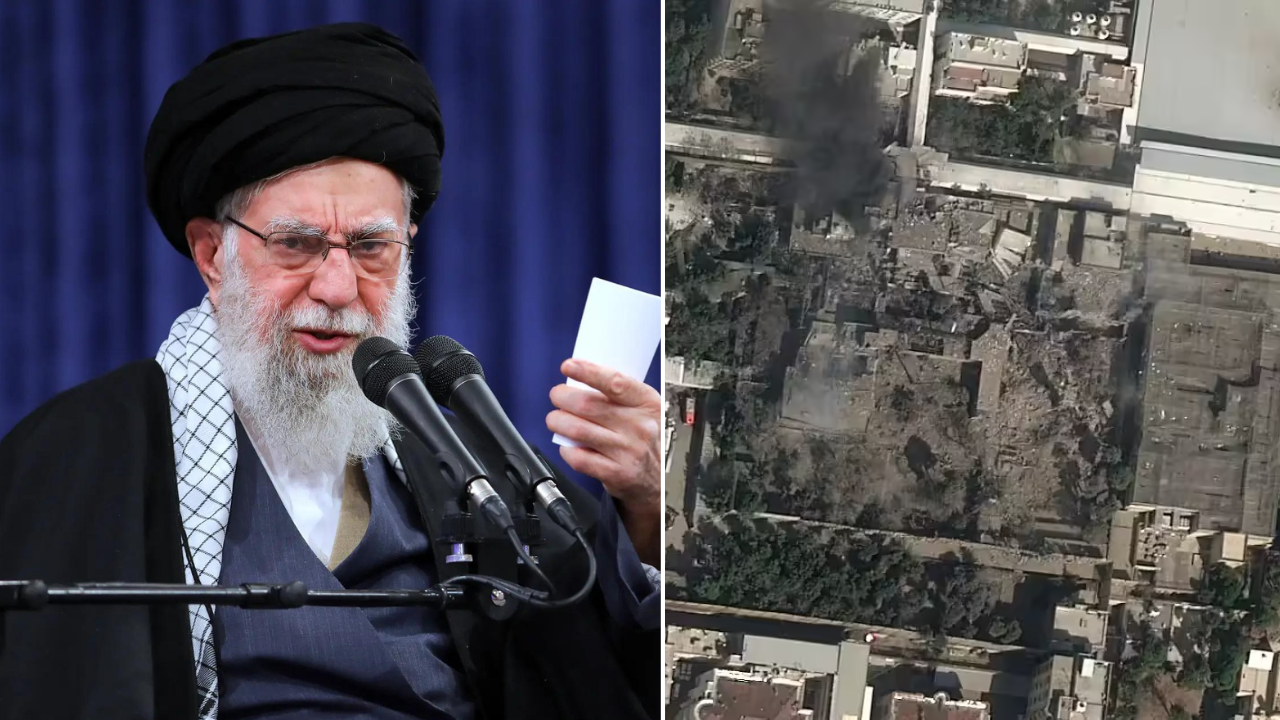
On February 28, 2026, the theory became reality. The opening salvo of nearly 900 strikes in 12 hours wasn't just about radar installations or the Iranian Navy. It was a surgical removal of the state's central nervous system. Khamenei was killed in the first 24 hours.
But the most telling detail of the "small forum" logic wasn't the death of the Supreme Leader—it was what happened three days later. On March 3, Israeli strikes leveled the building where the Assembly of Experts was scheduled to meet to name a successor. This was not a collateral error; it was a deliberate attempt to freeze the Iranian state in a state of permanent decapitation.
The Cost of Precision
The campaign has not been without its horrors. In Minab, a missile intended for a high-ranking official at an adjacent naval base struck the Shajareh Tayyebeh Primary School. Over 160 people, mostly children, were killed. This incident has become the rallying cry for international condemnation, with human rights groups calling for war crime investigations even as the U.S. representative at the UN argues that the "freedom of the Iranian people is at hand."
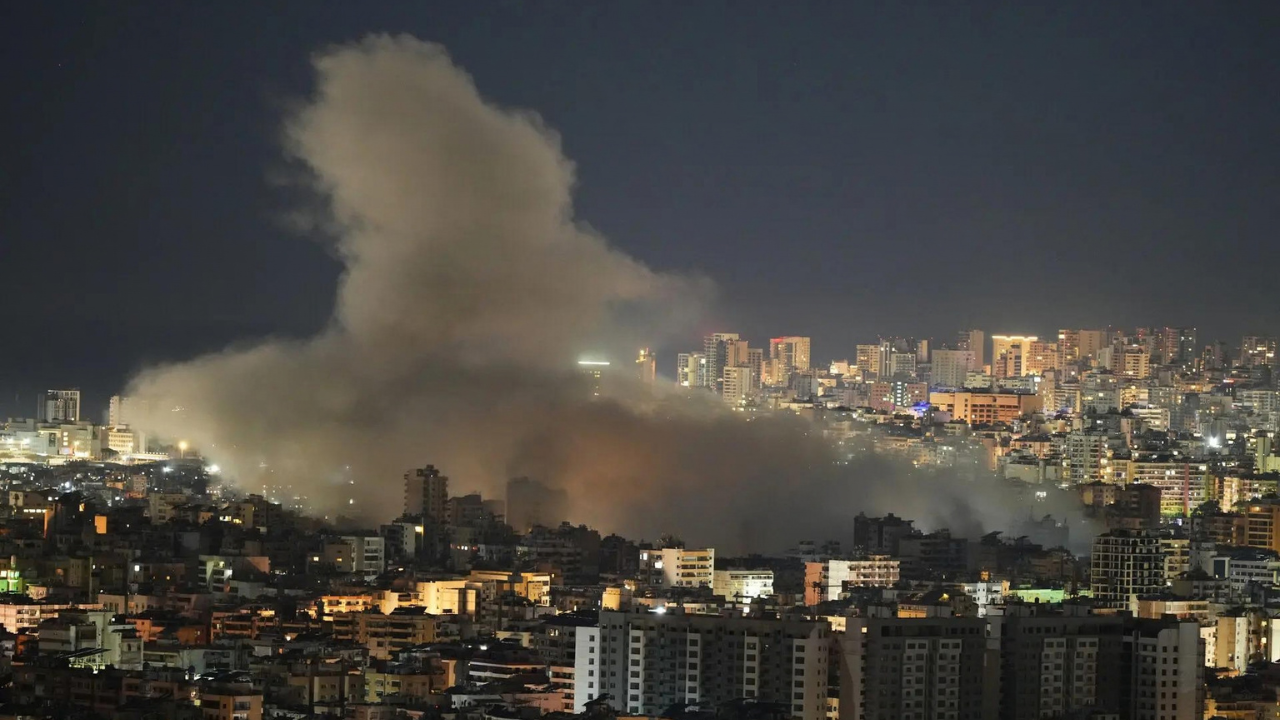
The IRGC has not vanished. Though 300 of their 450 missile launchers have been neutralized, the retaliatory fire from Iraqi militias and the remnants of Hezbollah has been persistent. A British RAF base in Cyprus was struck by a drone, and the Strait of Hormuz is currently a graveyard of commercial shipping and naval debris.
The Successor Vacuum
The "small forum" succeeded in its primary goal, but it has birthed a void that no one seems prepared to fill. Donald Trump recently told reporters he wants to be "involved" in choosing the next leader of Iran—a statement that has sent shockwaves through the region and alienated even the most pro-Western Iranian activists.
The Iranian people are in the streets, but they are not yet in power. The military infrastructure is being dismantled daily, with over 7,000 flight hours logged by the IAF in just one week. Yet, the question remains whether a nation can be bombed into a democracy, or if the removal of the Supreme Leader simply clears the path for a more chaotic, fragmented, and desperate brand of extremism.
The gamble taken in that small room in November was that the head of the snake was the only thing keeping the body moving. Now that the head is gone, the body is thrashing, and the world is waiting to see if it finally goes still or finds a new way to bite.
Would you like me to analyze the current status of the Iranian internal power struggle following the March 3rd strikes on the Assembly of Experts?