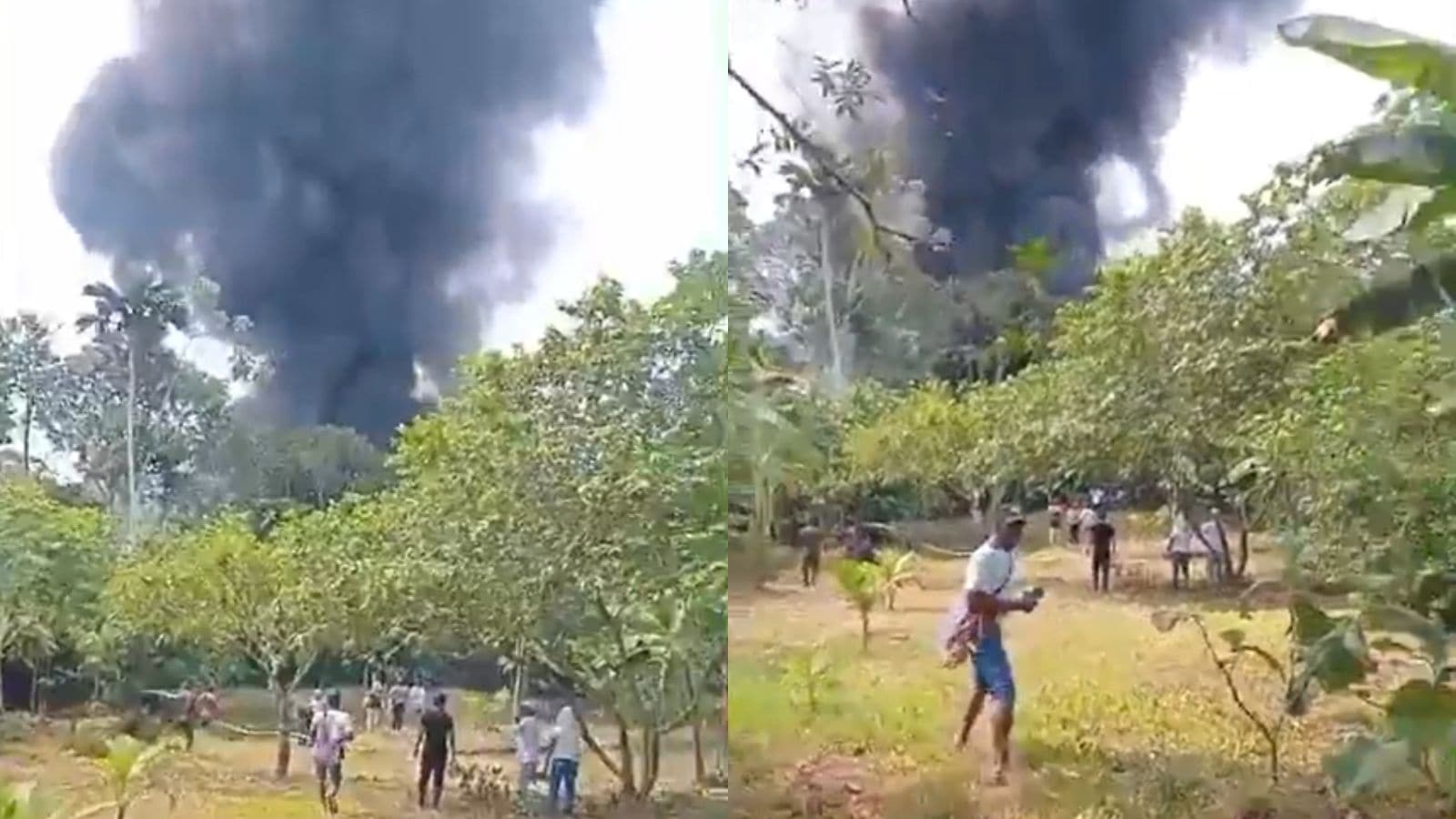
A massive military transport plane carrying over 100 soldiers doesn't just fall out of the sky without raising a thousand questions. When news broke about the Colombian Air Force (FAC) incident involving a Boeing 727 or C-130 Hercules—the workhorses of South American military logistics—the immediate reaction was a mix of shock and skepticism. We've seen these headlines before, but the scale of this particular event feels different. If you're looking for the typical corporate press release, you're in the wrong place. We're looking at why these aging fleets are still in the air and what actually happens when a tactical transport goes down in the unforgiving Colombian terrain.
Reports indicate the aircraft was conducting a routine troop movement, a lifeline for a country still dealing with internal security complexities. But "routine" is a dangerous word in aviation. When you pack a fuselage with more than 100 souls, the margin for error evaporates. It isn't just about engines or fuel. It's about the weight, the altitude of the Andean ridges, and the sheer pressure on airframes that have been flying since the Cold War era.
The Truth About Aging Military Fleets in South America
Colombia's military operates in some of the most difficult geography on the planet. You have the Andes mountains cutting through the center and dense jungle to the south. Flying here isn't like cruising over the Midwest. The Colombian Air Force relies heavily on platforms like the C-130 and older Boeing models for mass transport because they're built like tanks. However, even tanks have an expiration date.
Maintaining these birds is a logistical nightmare. Parts are hard to find. Stress fractures in the wings are a constant threat. While the FAC is known for having some of the best-trained pilots in Latin America, they can't fly their way out of a catastrophic structural failure. Most people don't realize that a plane carrying 100 soldiers is pushing the absolute limit of many tactical transports. If one engine goes during a steep climb over a mountain pass, the physics just don't work in your favor.
The Colombian government has been trying to modernize its fleet for years. They've looked at the Embraer C-390 Millennium from Brazil as a replacement. But budget cuts and political shifts usually stall these deals. So, the old planes keep flying. They fly until something breaks. When something breaks with 100 people on board, it's a national tragedy, not just a mechanical failure.
Why Altitude and Weather Are Deadly Factors
If you've ever flown into El Dorado International in Bogotá, you know the air is thin. At over 8,000 feet, engines produce less thrust. Wings generate less lift. Now, imagine a military transport plane loaded to the gills with 100 soldiers, their gear, and potentially ammunition or supplies.
The "density altitude" factor is a silent killer. On a hot day in the mountains, a plane feels like it's flying thousands of feet higher than it actually is. If the pilots encounter "microbursts" or sudden downdrafts—common in the Colombian tropics—a heavily loaded plane doesn't have the power reserve to claw its way back up.
- High-altitude takeoffs require longer runways and higher speeds.
- Mountain waves can create turbulence that snaps older airframes.
- The "canyon effect" can trap a pilot with no room to turn if they realize they're too low.
I've talked to pilots who flew these routes. They'll tell you the weather changes in seconds. One minute it's clear; the next, you're flying into a wall of white. Without advanced ground proximity warning systems—which many older military cargo planes lack—you're basically flying blind toward granite.
Human Error Versus Mechanical Failure
It's easy to blame the machine. It's harder to admit that human fatigue plays a massive role in these crashes. Colombian military pilots are overworked. They're flying constant missions against insurgent groups, conducting humanitarian drops, and moving troops across the country.
When you're on your fifth sortie of the day and the weather is closing in, your decision-making isn't sharp. Did they check the weight and balance correctly? Did they account for the extra weight of the soldiers' equipment? Standard military gear adds about 60 to 100 pounds per person. If the manifest says 100 soldiers, the actual weight could be 10,000 pounds more than expected.
Investigations into these crashes often take years. By then, the public has moved on. But the patterns are always there. Overloaded planes, tired crews, and equipment that should have been retired a decade ago. It's a miracle it doesn't happen more often.
Survival in the Colombian Jungle
If a plane goes down in the Amazon or the Chocó region, the crash is just the beginning of the nightmare. The canopy is so thick that it can swallow a whole aircraft. Search and rescue teams sometimes take days just to locate the debris, even with modern satellite tech.
We saw this with the miraculous survival of the children in the jungle a few years ago. But for 100 soldiers, the logistics of a rescue are impossible. The impact usually does the most damage, but the environment finishes the job. If the plane doesn't have a modern Emergency Locator Transmitter (ELT), it's basically a needle in a haystack made of trees.
The Colombian military has specialized SAR (Search and Rescue) units, but they're often hampered by the same thing that downed the plane: the weather. You can't send a rescue chopper into the same storm that just took out a four-engine transport.
Stopping the Next Disaster
We need to stop pretending that "maintenance" is enough for 40-year-old planes. The Colombian government needs to fast-track the acquisition of modern tactical transports like the C-390 or newer C-130J models. These planes have better avionics, more powerful engines, and automated systems that can handle the "thin air" problems of the Andes.
Investing in pilot simulators that specifically mimic the unique terrain of Colombia would also help. You can't train for a mountain downdraft in a classroom. You need to feel it.
If you want to track the status of military aviation safety, keep an eye on the budget debates in the Colombian Congress. Whenever they slash "operational costs," they're essentially cutting the safety margin for those 100 soldiers in the back of the next flight.
Check the tail numbers if you can. Many of these aircraft have flight histories longer than the pilots flying them. It's time to demand transparency on airframe hours and structural integrity reports. We owe it to the people in uniform to give them wings that won't fail when the clouds close in.
Start by looking at the official FAC (Fuerza Aérea Colombiana) safety reports if they're public. Compare the accident rates of the older 727 fleet versus the newer platforms. The numbers don't lie. Old planes are costing lives, and the "budget savings" are being paid for in blood.