A pink feather drifting across the asphalt of a parking garage is not usually a crime scene. In Las Vegas, it is a symptom of a systemic security failure. When a man allegedly hopped a fence at the Flamingo Las Vegas Hotel and Casino, snatched a living bird, and began a public display of cruelty, he didn't just break the law. He exposed the thin, fragile line between high-end resort aesthetics and the chaotic reality of the modern Strip. This wasn't a sophisticated heist or a calculated theft. It was an act of impulsive violence that proves the city’s most famous residents—its exotic animals—are essentially sitting ducks in a playground for the intoxicated.
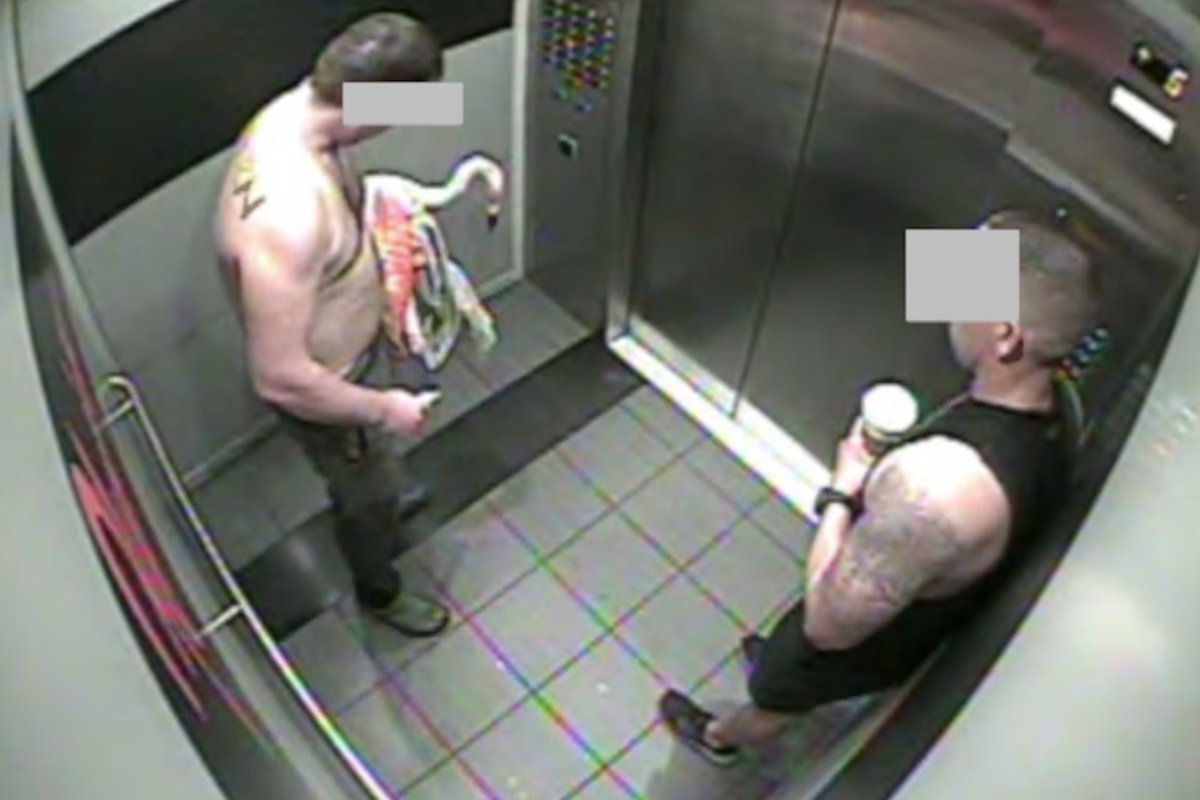
The incident, captured in grainy cell phone footage and now documented in police reports, depicts a shirtless suspect manhandling a Chilean flamingo. According to witnesses and law enforcement, the bird was subjected to "torture" before being abandoned. While the suspect was eventually apprehended, the damage to the animal and the reputation of the resort’s Wildlife Habitat was already done.
This event is not an isolated quirk of "Vegas being Vegas." It is a wake-up call for the hospitality industry regarding the ethics and logistics of keeping live, sensitive animals in open-air environments accessible to millions of tourists, many of whom lack any semblance of impulse control.
The Illusion of Safety in Open Air Habitats
For decades, the Flamingo Las Vegas has marketed its 15-acre Wildlife Habitat as a serene escape from the flashing lights and clanging slots. It is a lush, free-of-charge attraction that brings people through the doors. But "free-of-charge" often translates to "under-secured."
When you walk through these habitats, you see low fences and decorative foliage. These are designed for the human eye, not for animal protection. The design philosophy assumes a social contract: that people will look, but not touch. In an era of viral social media stunts and deteriorating public behavior, that contract is effectively null and void.
The security at these resorts is heavily weighted toward the casino floor. Eye-in-the-sky cameras track every chip movement. Armed guards patrol the vaults. Pit bosses watch for card counters with the intensity of hawks. Yet, a few hundred feet away, exotic birds worth thousands of dollars—both in monetary and ecological value—are often guarded by little more than a "Please Do Not Feed" sign and a part-time attendant.
Why the Current Model is Broken
- Proximity over Protection: Resorts want guests to feel "connected" to the animals. This means keeping barriers low enough for photos, which also makes them low enough for a trespasser to clear in three seconds.
- The Alcohol Factor: Las Vegas is built on the consumption of spirits. Mixing predatory human intoxication with flighty, defenseless prey animals in a confined space is a recipe for disaster.
- Response Times: In the recent flamingo abduction, the suspect was able to catch, move, and harm the bird before security intervened effectively. This indicates a gap in real-time monitoring of the habitat perimeter.
The Ecological and Financial Cost of Malice
A Chilean flamingo is not just a lawn ornament. These birds are social, highly sensitive creatures that can live for 40 years or more. When one is attacked, the trauma ripples through the entire flock. Flamingos are known to exhibit signs of stress that can lead to health decline or the cessation of breeding behaviors.
From a cold, business-centric perspective, the loss is also significant. Replacing an adult flamingo involves navigating complex interstate and international regulations. More importantly, the PR fallout of a "tortured flamingo" headline is a nightmare for a brand that tries to project a family-friendly, tropical image.
The suspect in the recent case faces felony charges of animal cruelty. While the legal system will likely throw the book at him, the resort must face its own trial in the court of public opinion. If you cannot guarantee the safety of the animals you use as a marketing hook, do you have the right to keep them?
Comparing Security Protocols
| Security Layer | Casino Floor | Wildlife Habitat |
|---|---|---|
| Surveillance | High-definition, 360-degree coverage | General area cameras, often obstructed by trees |
| Physical Barriers | Bulletproof glass, locked cages | Low wooden fences, shrubbery |
| Personnel | Armed security and undercover agents | Hourly "rounds" by staff or maintenance |
| Response Trigger | Chip theft or floor disruption | Citizen reports or audible distress |
Beyond the Headline: A History of Strip Animal Incidents
The flamingo abduction is part of a darker timeline of animal-related incidents in Las Vegas. From the tragic end of the Siegfried & Roy era to various "pranks" involving the shark tanks at Mandalay Bay or the lions at the MGM Grand (before that exhibit was shuttered), the city has a checkered past with its non-human inhabitants.
In 2012, a student on a scavenger hunt killed an exotic bird at a resort. In other instances, guests have been caught throwing coins, trash, and even lit cigarettes into the water features where these animals live. The common thread? A lack of consequences and a lack of physical deterrents.
The industry is at a crossroads. Some resorts have already opted to move away from live animal displays, citing rising insurance costs and the ethical burden of animal welfare. Others cling to them as a legacy attraction. If they choose the latter, they must move beyond the "garden" mentality and adopt a "fortress" mentality—without losing the aesthetic appeal.
Potential Solutions for High-Traffic Habitats
- Invisible Barriers: Utilizing specialized glass or ultrasonic deterrents that keep humans at a distance without ruining the view.
- Dedicated Wildlife Security: Moving away from general security guards and employing specialized staff trained in both animal behavior and crowd control.
- Nighttime Lockdown: Most attacks happen under the cover of darkness or during late-night "party" hours. Retractable netting or moving the flock to a secure indoor enclosure at night should be standard practice.
The Moral Responsibility of the Modern Resort
The "What happens in Vegas stays in Vegas" mantra was never meant to apply to animal abuse. When a man feels emboldened enough to jump a fence and torment a flamingo, it suggests a perceived lack of authority and a total absence of respect for the environment.
The Flamingo Las Vegas and its parent company, Caesars Entertainment, have a choice. They can treat this as a freak occurrence and move on, or they can acknowledge that the Strip has changed. The crowds are more aggressive, the pursuit of "viral content" is more desperate, and the old ways of protecting wildlife are obsolete.
If these animals are to remain a part of the Vegas experience, their safety must be prioritized over guest convenience. This means higher fences. This means more cameras. This means a zero-tolerance policy that doesn't just result in an escort off the property, but in immediate and severe legal prosecution for anyone who crosses the line.
The spectacle of a shirtless man running through a parking garage with a struggling flamingo is a pathetic image. It is the image of a city that has let its guard down. It is the image of an industry that has forgotten that "attractions" are living things, not props. The feathers can be cleaned up, but the message is clear: the habitat is broken.
Take a hard look at the next resort you visit. If you can reach out and touch the wildlife, so can someone with the worst possible intentions.