The sudden removal of Ayatollah Ali Khamenei from the Iranian power structure triggers an immediate transition from a state of managed ideological consistency to a period of high-entropy volatility. This is not merely a personnel change; it is a systemic failure of the "Velayat-e Faqih" (Guardianship of the Jurist) model in its current 35-year iteration. The vacuum created does not just invite internal competition; it fundamentally alters the cost-benefit calculus for every proxy actor within the "Axis of Resistance." To understand the immediate trajectory of the Middle East, one must analyze the structural tension between the Assembly of Experts, the Islamic Revolutionary Guard Corps (IRGC), and the regional kinetic thresholds of the United States and Israel.
The Tripartite Power Vacuum
The Iranian political apparatus rests on three pillars that are now in direct, unmediated conflict. Without Khamenei as the ultimate arbiter, these pillars lack a mechanism for non-violent dispute resolution.
- The Clerical Bureaucracy (The Assembly of Experts): Tasked with choosing a successor, this body faces a crisis of legitimacy. If they select a weak candidate to maintain their own relevance, they risk being sidelined by the military.
- The Praetorian Guard (The IRGC): The IRGC is no longer just a military wing; it is a conglomerate controlling roughly 30% to 50% of Iran's GDP. Their primary objective is the preservation of their economic empire, which requires a stable, if confrontational, external environment.
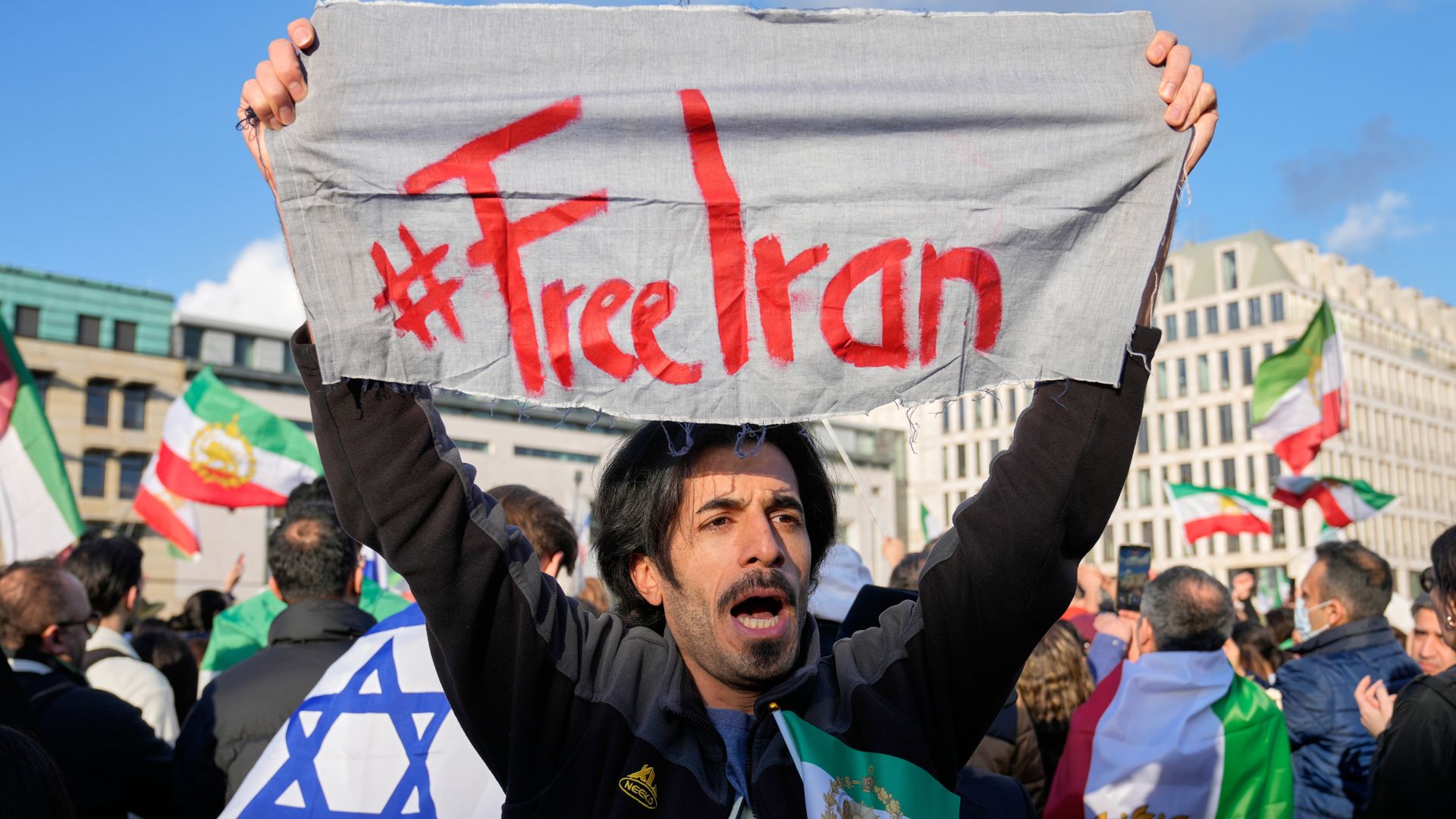
- The Street (Civilian Dissent): The psychological impact of the Supreme Leader’s death acts as a catalyst for dormant protest movements. The state’s ability to project "invincibility" is compromised, lowering the perceived risk for domestic actors to challenge the status quo.
The Proxy Centrifuge Effect
The "Axis of Resistance"—comprising Hezbollah, Hamas, the Houthis, and various Iraqi militias—operates on a hub-and-spoke model. Khamenei served as the hub, providing not just funding, but ideological cohesion and strategic restraint. His removal initiates the "Centrifuge Effect," where spokes begin to act based on local survival rather than Tehran’s grand strategy.
Hezbollah’s Strategic Pivot
Hezbollah is the most sophisticated non-state actor in the world. In the absence of clear directives from the Office of the Supreme Leader, Hassan Nasrallah faces a binary choice: escalate to prove the movement’s continued relevance or retrench to protect its Lebanese political assets. The risk of a "miscalculation of escalation" is higher now than at any point since 2006.
The Houthis and the Red Sea
The Houthi movement is the most autonomous and unpredictable of the Iranian proxies. Their primary goal is the consolidated control of Yemen and its maritime chokepoints. Without the Supreme Leader's restraint, they may accelerate their offensive capabilities, seeing an opportunity to force concessions from Saudi Arabia and the United Arab Emirates while Tehran is distracted by internal succession.
The Kinematics of Deterrence: Israel and the United States
The assassination or death of the Supreme Leader creates an immediate "strategic window" for the West and Israel. This window is a high-risk, high-reward period where the IRGC’s command-and-control (C2) is most vulnerable.
The Israeli Calculus
Israel’s strategy shifted from "mowing the grass" (periodic tactical strikes) to "decapitation and degradation." Khamenei's removal is the ultimate decapitation. The Israeli Defense Forces (IDF) now face the paradox of deterrence: if they hit Iranian nuclear or military infrastructure during the transition, do they consolidate the Iranian public behind a new leader, or do they collapse the IRGC’s control?
- Variable A (Consolidation): A foreign strike during the mourning period fuels nationalist sentiment, providing the new leader with immediate legitimacy.
- Variable B (Collapse): The IRGC, already overstretched across several fronts, fails to coordinate a coherent response, leading to a fragmented defense and potentially a civil-military split.
The United States and the Gulf Security Architecture
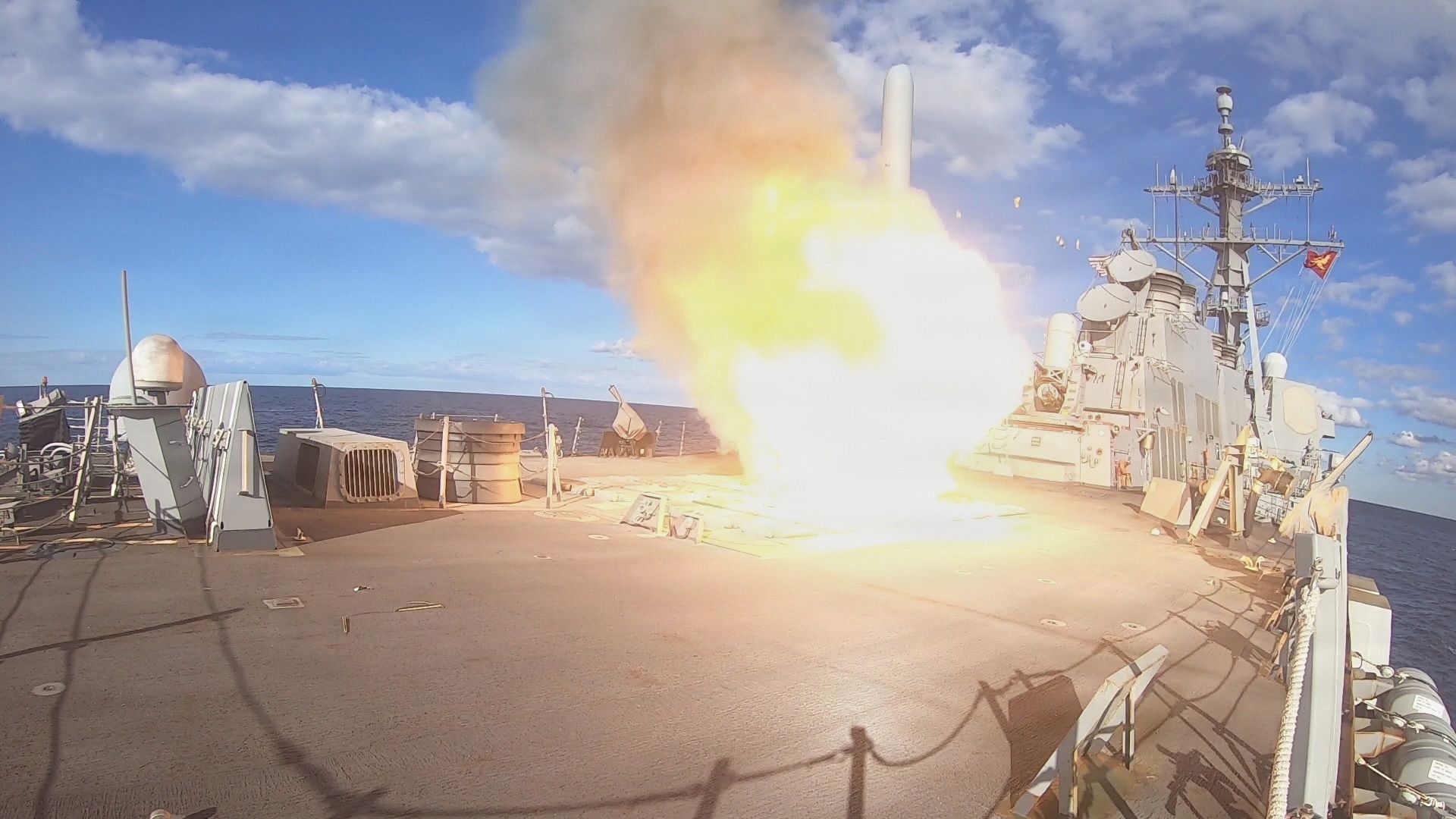
The U.S. Navy and Central Command (CENTCOM) are forced into a posture of "armed observation." The primary risk for the United States is a misread of IRGC movements. If an IRGC commander on the ground perceives a threat and acts unilaterally, it could trigger a regional war that neither the U.S. nor the new Iranian leadership wants.
The Economic Impact of the Ideological Vacuum
The Iranian economy is a complex system of state-owned enterprises, bonyads (foundations), and black-market channels. Khamenei’s death creates a "pricing of instability" that impacts global oil markets.
- The Risk Premium: Even if supply remains constant, the perception of instability in the Persian Gulf adds a $10 to $20 per barrel risk premium to Brent crude.
- The Sanctions Squeeze: The transition period is the ideal time for the international community to increase economic pressure. A fragmented Iranian leadership is less capable of maintaining the complex network of front companies used to bypass oil sanctions.
- Domestic Inflation: The Rial, already under extreme pressure, faces a "confidence crash." If the state cannot project a smooth transition, hyperinflation could lead to a complete breakdown of the domestic trade system, forcing the IRGC to use more of its budget for internal security rather than regional expansion.
The Mechanism of Succession: Two Potential Pathways
The transition of power in Iran is governed by Article 107 of the Constitution, but the reality is a product of backroom negotiations between the military and the clergy.
The Status Quo Continuity Model
The Assembly of Experts selects a "consensus candidate," likely a senior cleric with deep ties to the IRGC. This leader would be a figurehead, allowing the IRGC to take full control of national security and foreign policy. This path maintains the "Axis of Resistance" but shifts its management from a clerical to a purely military-intelligence framework.
The Radical Shift Model
The transition fails to produce a clear successor, leading to a "Council of Leadership." This scenario is the most dangerous for regional stability, as different members of the council may control different factions of the military and proxy network. This creates a "multi-polar Iran," where competing factions use regional aggression to bolster their domestic standing.
The Geopolitical Realignment
The post-Khamenei era is not just an Iranian problem; it is a global realignment trigger.
- Russia: Moscow loses its primary ideological ally in the region. While the military cooperation (drones, missiles) would likely continue, the strategic depth provided by Khamenei’s anti-Western worldview becomes a variable rather than a constant.
- China: Beijing’s interest is purely economic and energy-focused. They will likely support whoever can guarantee the flow of oil. If the transition becomes violent, China may be forced to play a more active role in Middle Eastern diplomacy, a role they have historically avoided.
- Saudi Arabia and the UAE: The Gulf monarchies face a "reconciliation or rearmament" choice. A weak Iran could be an opportunity for a grand bargain, or it could be a threat if the IRGC lashes out to maintain its regional prestige.
The Strategic Final Play
The most critical factor in the post-Khamenei Middle East is the speed of Iranian nuclear breakout. The Supreme Leader’s fatwa against nuclear weapons, while often dismissed as rhetoric, provided a baseline of strategic intent. Without that baseline, the IRGC may see nuclearization as the only way to ensure the survival of the Islamic Republic during a period of extreme internal vulnerability.
For the international community, the strategic play is to exploit the internal frictions between the IRGC and the clerical establishment. This requires a synchronized policy of tactical deterrence and economic incentives directed at specific power blocks within Iran. The goal is to force the IRGC to choose between its regional proxy empire and its domestic economic survival. If the West fails to project a clear and unified response during this transition, the resulting vacuum will be filled by the most radical elements of the Iranian security apparatus, leading to a permanent state of high-intensity regional conflict.