The current friction between Washington’s transition team and its Middle Eastern allies stems from a fundamental divergence in the perception of "Maximum Pressure" as a functional strategy versus a signaling mechanism. While the incoming administration treats ambiguity as a tactical asset, regional partners—specifically Saudi Arabia, the United Arab Emirates, and Israel—view it as a structural vulnerability. This strategic gap is not a matter of personality or diplomatic style; it is a breakdown in the Deterrence Calculus, where the credibility of a threat is measured by the capability to execute and the perceived will to sustain a conflict.
The Triad of Regional Anxiety
Allied apprehension centers on three distinct operational pillars that the Trump team has yet to define. Without these definitions, regional powers cannot align their own defense spending, energy pricing, or diplomatic backchannels. You might also find this connected article insightful: Strategic Asymmetry and the Kinetic Deconstruction of Iranian Integrated Air Defense.
1. The Kinetic Red Line
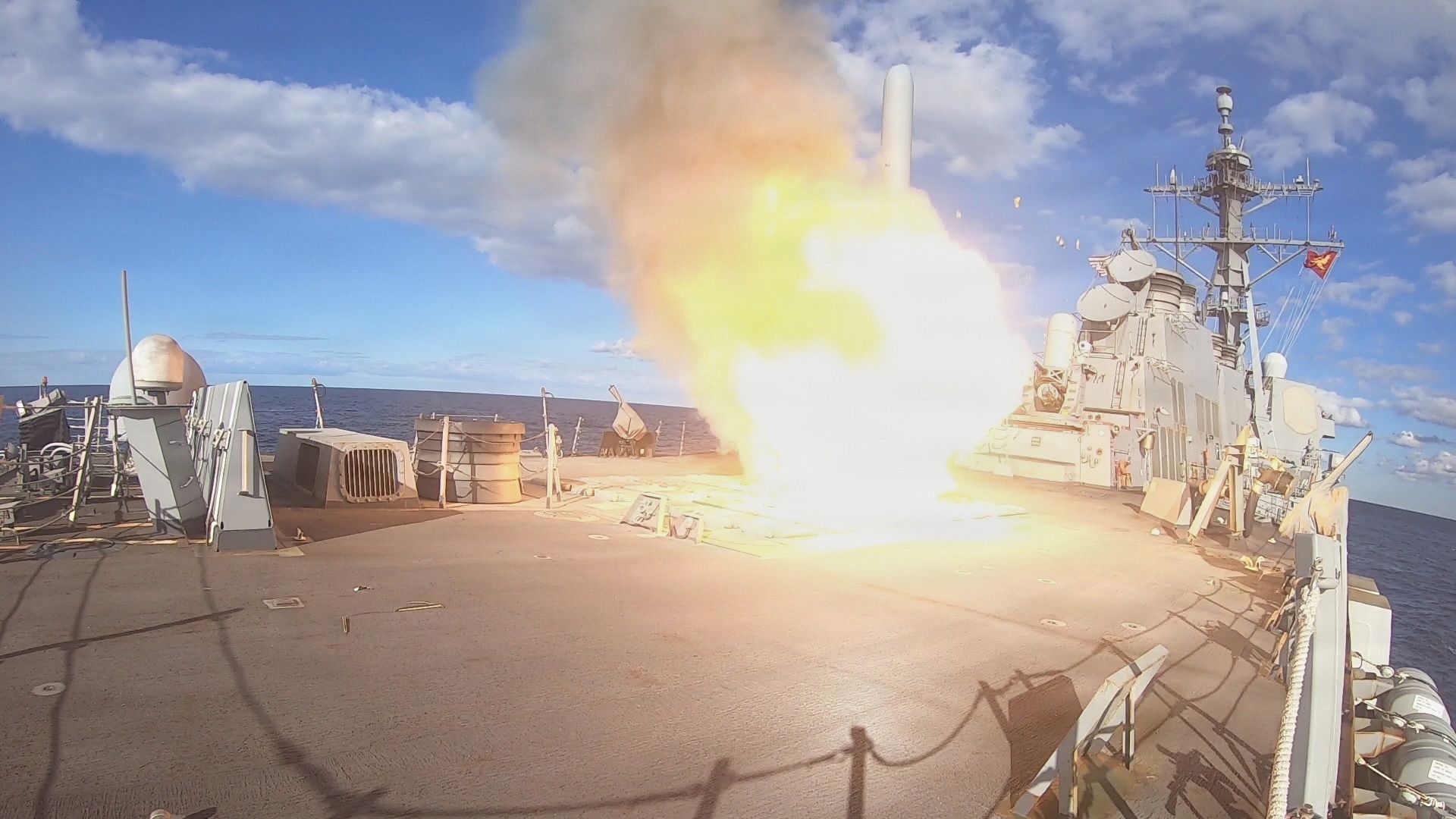
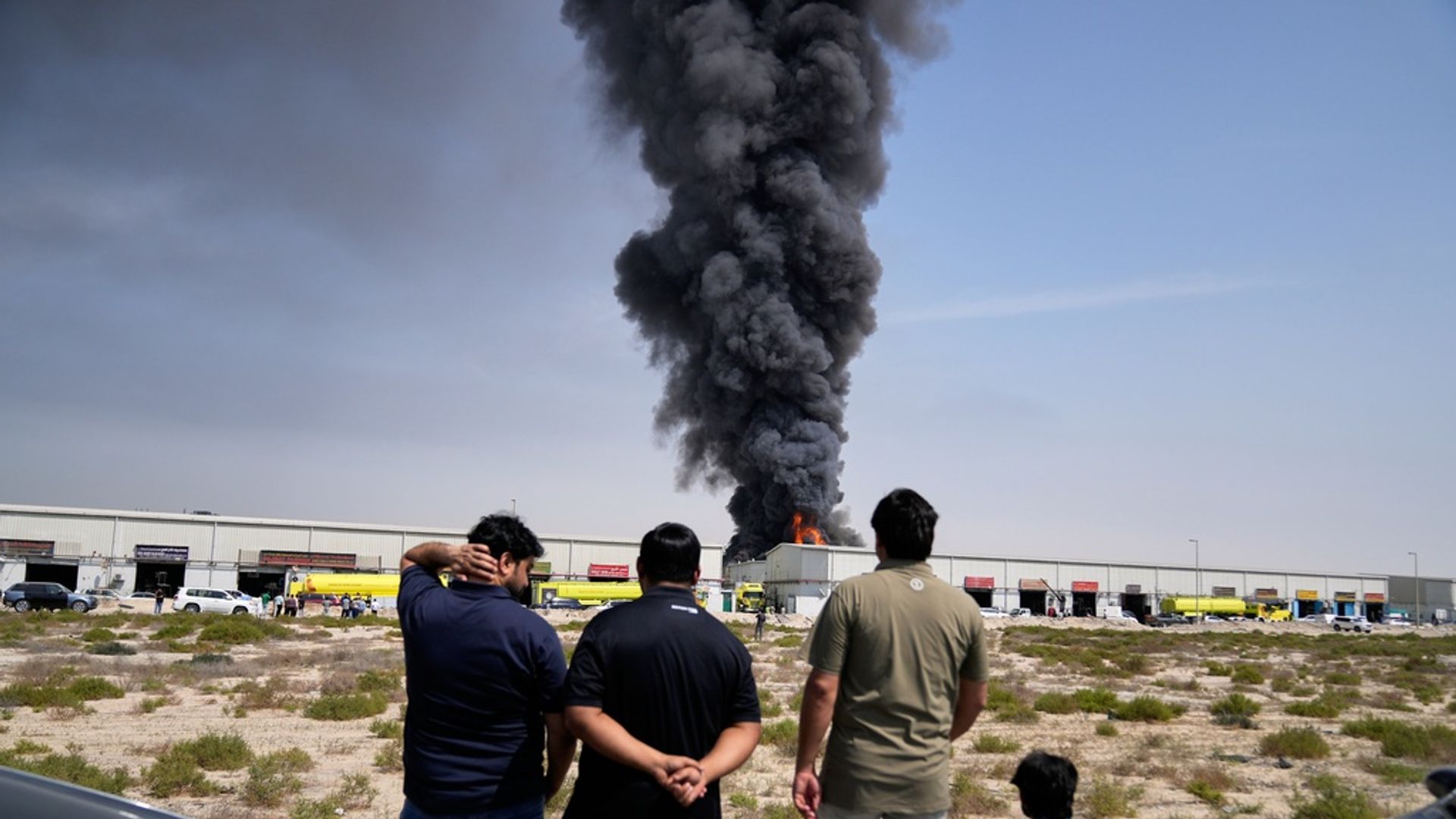
During the 2017-2021 term, the strike on Qasem Soleimani established a high-ceiling precedent for kinetic action. However, the 2019 Abqaiq-Khurais drone attacks, which temporarily halved Saudi oil production, met no direct military response. This created a "Deterrence Deficit." Allies are currently demanding a clear definition of what constitutes a casus belli. Is it the breach of a specific uranium enrichment percentage? Is it a direct strike on a US asset? Or is it the continued funding of the "Axis of Resistance"?
The absence of a defined threshold forces allies into a hedging posture. If the US response is unpredictable, the rational move for a regional state is to seek de-escalation with Tehran independently, as seen in the recent rapprochement between Riyadh and Tehran. As reported in detailed articles by Associated Press, the effects are worth noting.
2. The Economic Encirclement Logic
"Maximum Pressure 2.0" assumes that the Iranian economy is more fragile now than in 2018. While inflation and currency devaluation are high, the architecture of Iranian sanctions evasion has matured. China remains the primary sink for Iranian crude, utilizing "dark fleets" and non-SWIFT financial conduits.
Allies are questioning the enforcement mechanism. For a sanctions regime to work as a tool of statecraft rather than mere punishment, it requires a secondary sanctions framework that targets Chinese entities with enough severity to outweigh the benefit of cheap energy imports. If the US is unwilling to risk a trade rupture with Beijing over Iranian oil, the economic pillar of the strategy collapses into a performative gesture.
3. The Nuclear Terminal Point
The Joint Comprehensive Plan of Action (JCPOA) is functionally defunct, and Iran’s "breakout time"—the duration required to produce enough weapons-grade uranium for a single device—has shrunk from months to days. A strategy of "demand-side" diplomacy (forcing Iran to the table through hardship) ignores the "supply-side" reality of technical advancement. Once the knowledge of the fuel cycle is mastered and the centrifuges are spinning at 60% or higher, the leverage gained through sanctions diminishes. The allies need to know if the US strategy includes a terminal point: a specific technical milestone that, once crossed, triggers a predetermined military or cyber neutralization.
The Architecture of Prototypical Failure
Strategic ambiguity works against a rational, monolithic actor. It fails when applied to a decentralized network of proxies. The "Proxy Paradox" suggests that the more pressure applied to the center (Tehran), the more incentive the center has to activate the periphery (Hezbollah, Houthis, PMF) to distribute the risk.
This creates a Cost-Transfer Mechanism:
- The US applies sanctions on Tehran.
- Tehran authorizes Houthi strikes on Red Sea shipping.
- The cost of insurance and logistics rises for US allies and global markets.
- The US remains geographically insulated, while the allies bear the immediate physical and economic brunt.
Without a "Integrated Air and Missile Defense" (IAMD) agreement that includes US-backed kinetic coverage for ally infrastructure, the allies view "Maximum Pressure" as a strategy that exports American political goals at the expense of regional security.
The Credibility-Capability Gap
Deterrence is expressed through the formula $D = C \times W$ (Deterrence equals Capability multiplied by Will). While US military capability is undisputed, the "Will" variable is currently viewed as a volatile coefficient. The domestic political landscape in the United States favors "ending forever wars," a sentiment that contradicts the posture required to maintain a credible threat of force against a mid-tier power like Iran.
Regional partners analyze US legislative trends and public sentiment. They see a nation that is structurally weary of Middle Eastern entanglements. Consequently, any rhetoric coming from the transition team is discounted by the probability of domestic political retreat. To bridge this gap, the transition team must move beyond rhetoric and establish Institutional Commitments. This includes multi-year munitions transfer schedules, joint basing agreements that are not subject to annual executive whim, and a codified "Red Line" memorandum.
The Energy Market Feedback Loop
Any escalation with Iran immediately impacts the "Risk Premium" on Brent crude. The US is currently a net exporter of petroleum, which changes the incentive structure compared to the early 2000s. A spike in oil prices hurts the global economy but can benefit US shale producers. Conversely, for allies like Jordan or Egypt, high energy prices are an existential threat to internal stability.
A masterclass in strategy requires acknowledging that an Iran policy is, in reality, a global energy policy. The Trump team’s lack of a disclosed plan suggests they may be ignoring the "Elasticity of Stability" in non-oil-producing allied states. If a secondary effect of pressuring Iran is the collapse of the Jordanian or Lebanese economy, the net result is a strategic loss for the West.
Strategic Realignment Requirements
The demand for a plan is not an act of defiance by allies; it is a requirement for their own budgetary and defensive planning. A functional US-Iran strategy must address the following technical requirements:
- Sanctions Synchronization: Aligning the "entity list" with European and Asian partners to prevent the "whack-a-mole" effect of shell companies.
- Asymmetric Response Parity: Developing a shared protocol for responding to non-state actor attacks (drones/cyber) that does not require a full-scale escalatory cycle.
- The "Off-Ramp" Specification: Defining exactly what Iran must do to receive relief. Vague demands like "behave like a normal nation" are strategically useless. Requirements must be quantifiable: specific enrichment caps, verified destruction of certain missile classes, and monitored cessation of proxy funding.
The current vacuum allows Iran to advance its nuclear program while regional allies prepare for a worst-case scenario where they are left to manage the fallout of a failed US diplomatic or economic gambit. The transition team’s reliance on "The Art of the Deal" style unpredictability ignores the fact that in high-stakes geopolitics, uncertainty is not a leverage point—it is a lubricant for miscalculation.
The immediate move for the transition team is to pivot from personality-driven diplomacy to a "System-Based Deterrence" model. This involves the formalization of the Abraham Accords into a functional security bloc with a centralized command and control structure. By integrating Israeli intelligence with Gulf state capital and US technical oversight, the burden of deterrence is shifted from a single American executive to a regional architecture. This reduces the "Will" volatility and forces Tehran to calculate against a unified front rather than a fluctuating Washington. Establishing a "Regional Security Council" that meets monthly to calibrate the pressure-to-response ratio would provide the structural rigidity the allies are currently demanding.