The Myth of the Unlucky Pilgrim
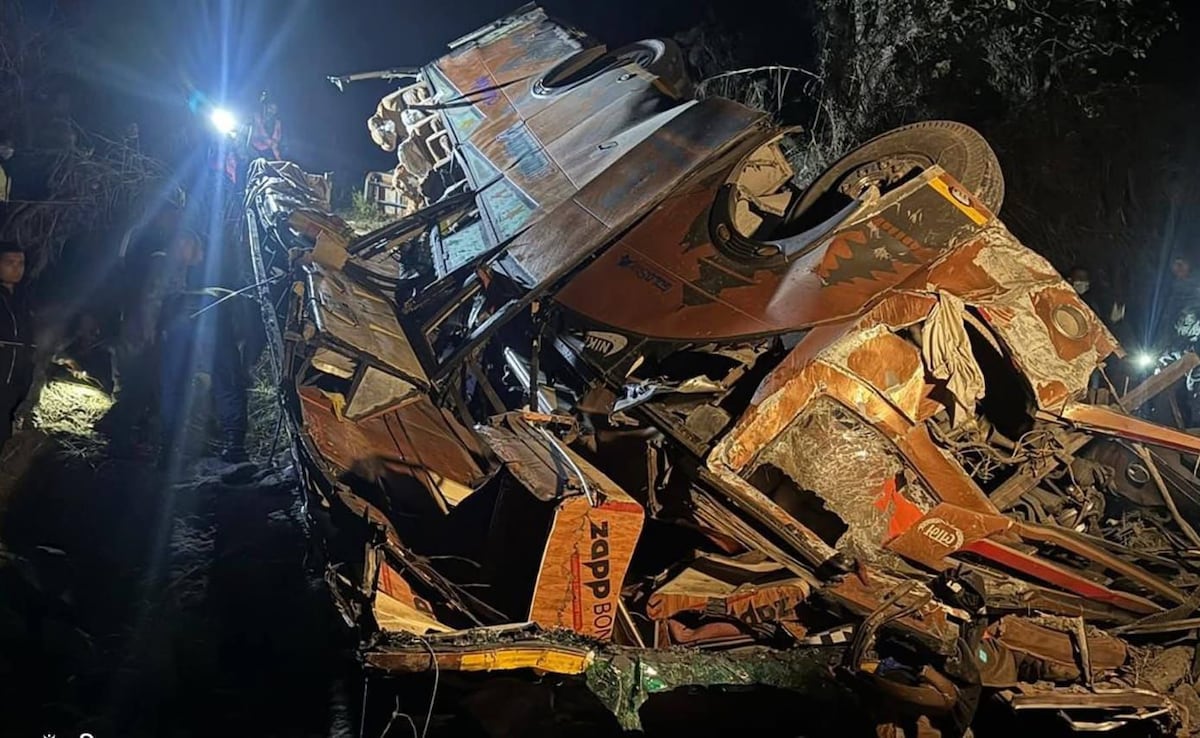
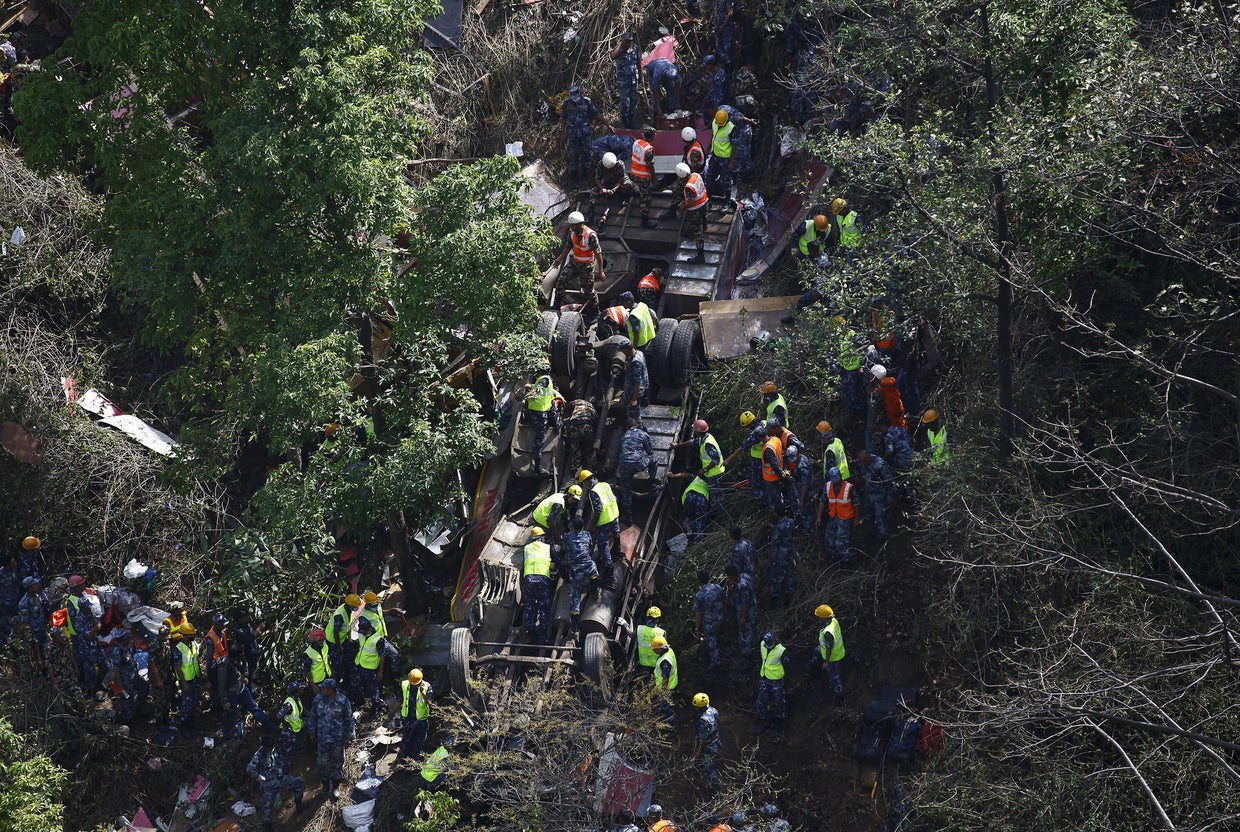
Seven dead. A plunge down a ravine. A bus full of Indian pilgrims.
The standard media script is already running. They call it a tragedy. They blame "slippery roads" or "poor visibility." They might even throw in a line about "driver error" to wrap the narrative in a neat, digestible package.
This isn't a tragedy. It is a predictable outcome of a broken system that values transit speed over human life. If you have spent any time navigating the Prithvi Highway or the white-knuckle passes leading to Kathmandu, you know the truth: these aren't accidents. They are the inevitable result of systemic negligence.
We keep looking at the final seconds of the crash—the moment the tire slipped—instead of the decades of policy failure that put that bus on that ledge in the first place.
The Gravity Trap
Let’s talk about the physics of a "plunge." In Nepal’s terrain, the margin for error is effectively zero. When a bus carrying a heavy load of passengers navigates a 12% grade on a road that is barely wider than the vehicle itself, the math is already stacked against them.
$$F_g = m \cdot g \cdot \sin(\theta)$$
Where $m$ is the mass of the bus and $\theta$ is the angle of the slope. On these roads, the gravitational force pulling a vehicle toward the abyss is constant, while the friction provided by poorly maintained asphalt is a variable that fails the moment a light drizzle hits.
Competitors will tell you the rain caused the crash. I’m telling you the road design made the rain lethal. A road without reinforced crash barriers (not those decorative concrete blocks, but actual energy-absorbing steel) isn't a road. It’s a high-altitude lottery.
The False Economy of Religious Tourism
The religious tourism industry between India and Nepal is a multi-million dollar engine built on a "low-cost, high-risk" model.
I have seen the underbelly of this trade. I’ve stood at the bus stands in Gorakhpur and Raxaul where "pilgrimage packages" are sold for prices that don't even cover the cost of basic vehicle maintenance. To make these margins work, operators do three things that ensure people die:
- Double-Shifting Drivers: Pilots in the sky have strict mandatory rest periods. Bus drivers on the most dangerous roads in the world are often pushed to drive 16-hour stretches with nothing but tea and cheap stimulants to keep them awake.
- Overloading: The official passenger count is a suggestion. Every extra body is pure profit. But every extra kilogram shifts the center of gravity higher, making the bus a literal pendulum when it hits a hairpin turn.
- Third-Hand Parts: Tires are run until they are as smooth as glass. Braking systems are patched together with scrap metal.
When the media reports that a bus "lost control," they are ignoring the fact that the operator lost control of the safety standards months before the wheels ever touched the mountain air.
The Geopolitical Blame Game
Whenever Indian pilgrims die in Nepal, a predictable diplomatic dance follows. Condolences are swapped. Compensation is promised. But no one addresses the elephant in the room: the sheer lack of cross-border safety regulation.
Nepal’s Department of Transport Management is chronically underfunded and, frankly, toothless. They lack the technology to track vehicle health or driver hours in real-time. Meanwhile, Indian tour operators exploit these regulatory black holes to send aging fleets across the border.
If this happened in the Swiss Alps, there would be a grounding of fleets and a forensic audit of the asphalt. In the Himalayas, we just call it "karma" or "bad luck." That is a cowardly way to avoid holding the Ministry of Physical Infrastructure and Transport accountable.
Infrastructure as an Afterthought
We are obsessed with "connectivity" but indifferent to "survivability."
The rush to pave roads in Nepal—often referred to as "dozer culture"—involves local leaders using heavy machinery to carve tracks into hillsides without a single geological survey. These roads are essentially scars on the mountain that turn into mud-slips at the first sign of water.
- The "Blacktop" Illusion: Just because a road is paved doesn't mean it's safe. Thin layers of bitumen over unstable soil create a false sense of security that encourages higher speeds.
- The Barrier Gap: In the West, guardrails are designed to redirect a vehicle back onto the road. In Nepal, if they exist at all, they are often flimsy structures that serve only to mark where the road ends and the 500-foot drop begins.
Stop Asking if the Road is Open
The most common question travelers ask is, "Is the road to Kathmandu open?"
That is the wrong question. The road is almost always "open" because the local economy would collapse if it weren't. The real question is: "Is the vehicle you are boarding governed by a safety protocol that exists in reality, or just on a piece of paper in a dusty office?"
If you are a traveler, stop looking for the cheapest ticket. The price difference between a "budget" pilgrimage bus and a high-end tourist coach is often the difference between a functional braking system and a prayer.
The Brutal Reality of Reform
Fixing this isn't about more "awareness campaigns" or "driver training." You cannot train a human to overcome the laws of physics on a collapsing road.
True reform requires:
- Mandatory Tachographs: Every bus crossing the border must have a digital log of driver hours that cannot be forged.
- Steel Barrier Mandates: Any road with a drop exceeding 10 meters must be lined with international-standard crash barriers.
- Fleet Age Caps: Vehicles over ten years old should be banned from mountainous terrain, period.
The industry will scream that this makes travel unaffordable for the poor. My counter-argument is simple: Being poor should not be a death sentence on a mountain pass. If a route cannot be traveled safely, it shouldn't be traveled at all.
We have spent decades romanticizing the "treacherous beauty" of Himalayan travel. It’s time to stop the poetry and start the engineering. Every time we call these events "accidents," we provide cover for the people who let them happen.
Demand better roads or stop going. Anything else is just waiting for the next headline.