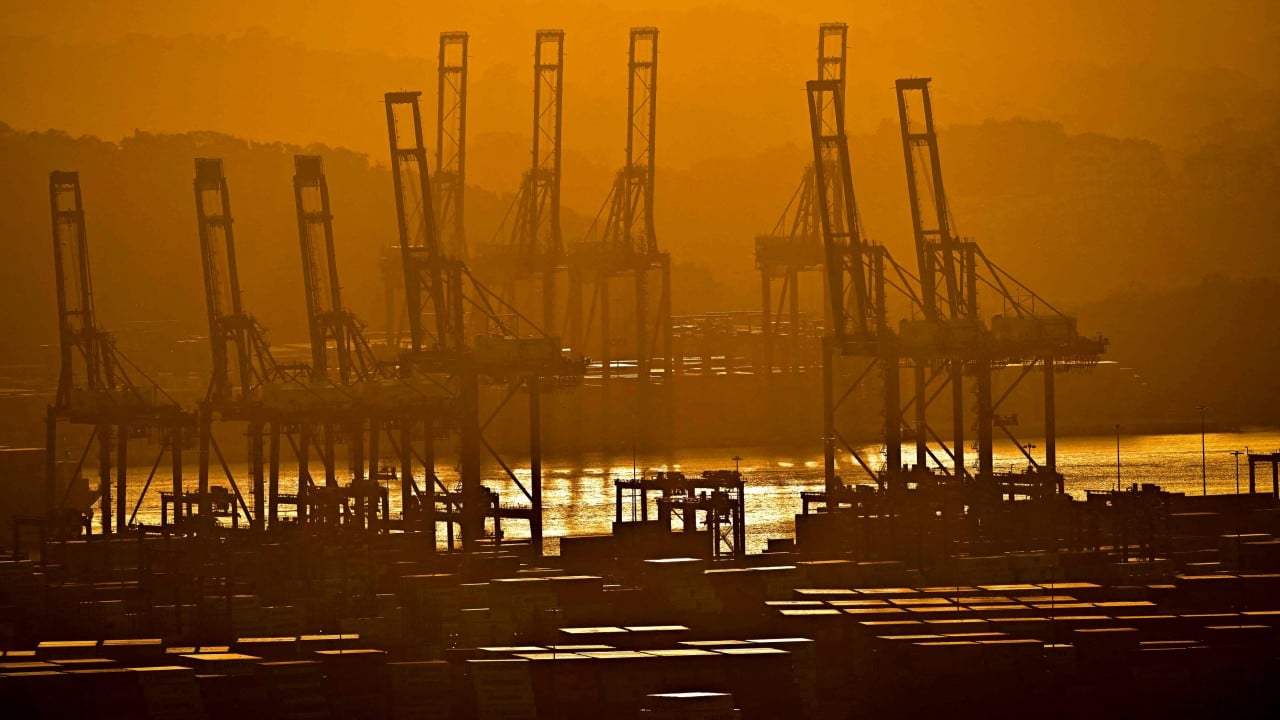
The era of "globalization at any cost" just hit a concrete wall at the mouth of the Panama Canal. When the Panamanian government officially published the Supreme Court ruling to annul CK Hutchison’s port concessions in late February 2026, it wasn't just a domestic legal hiccup. It was a calculated, state-led eviction of a Hong Kong conglomerate that had held the keys to the world's most vital maritime chokepoint for nearly three decades.
CK Hutchison, through its subsidiary Panama Ports Company (PPC), is now demanding **US$2 billion** in compensation. The company describes the move as an "illegal takeover" and a "radical breach" of investor protections. However, the reality on the ground is far more complex than a simple contract dispute. This is a story of decaying treaties, a massive US$23 billion global fire sale gone wrong, and a Panamanian administration caught between a resurgent "America First" doctrine and the wrath of Beijing. Learn more on a similar topic: this related article.
The Constitutional Trap
The legal justification for the seizure centers on a Supreme Court ruling that declared Law 5 of 1997—the very foundation of PPC’s operations—unconstitutional. According to the court, the original 1997 contract and its 2021 extension for another 25 years granted "disproportionate advantages" to the company. These included sweeping tax exemptions and a lack of public tender, which judges argued harmed the national interest.
Critics of the ruling point out a glaring inconsistency. For 29 years, the Panamanian state happily collected dividends and allowed the company to invest over US$1.8 billion into the Balboa and Cristobal terminals. To suddenly find the law unconstitutional just as the geopolitical winds shifted is, at best, convenient. At worst, it is a signal that in the new era of maritime trade, long-term contracts are only as stable as the current government's latest diplomatic alliance. Further reporting by Business Insider delves into comparable perspectives on this issue.
The Trump Factor and the BlackRock Deal
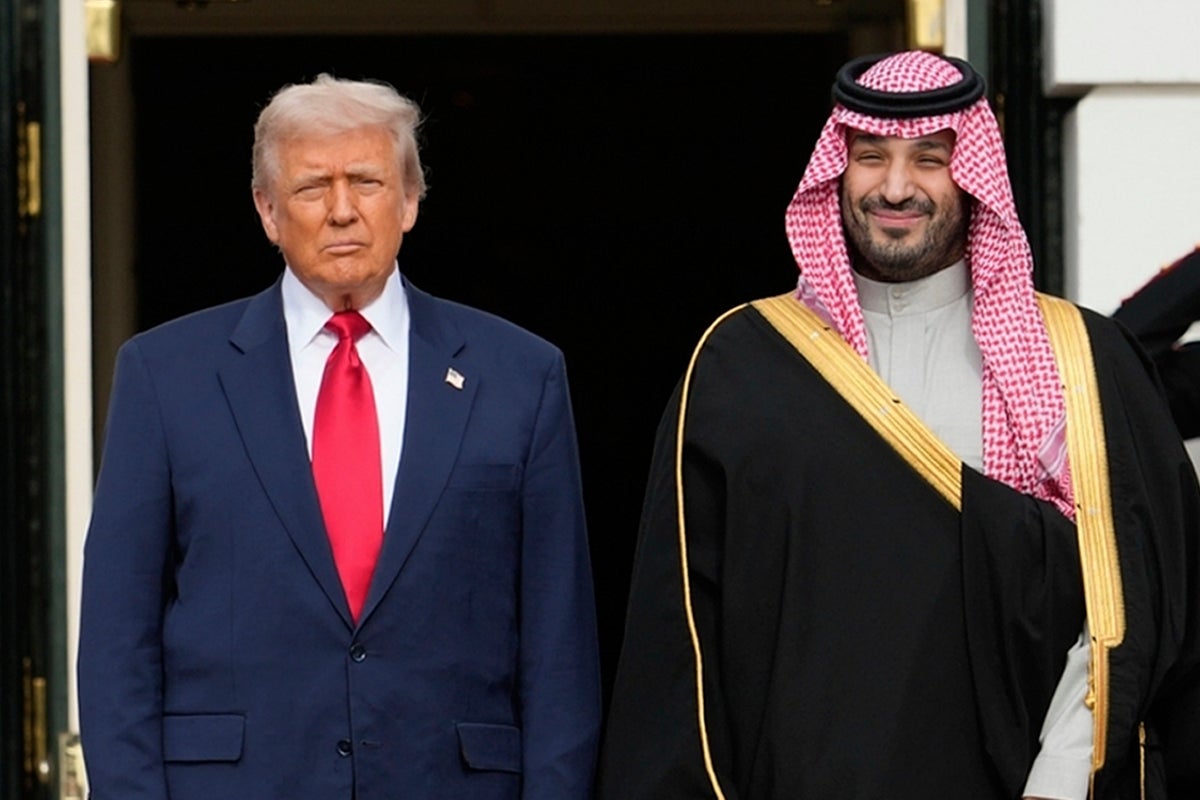
You cannot talk about Panama in 2026 without talking about Washington. Early last year, U.S. President Donald Trump publicly accused China of "running" the Panama Canal. While the Panama Canal Authority is a separate, Panamanian-run entity, the ports at either end were the optics the White House hated.
Last March, CK Hutchison attempted a graceful exit. They announced a massive US$23 billion deal to sell 43 of their global port assets to a consortium involving the U.S. investment giant BlackRock. The logic was sound: by transferring ownership to a U.S.-led group, Hutchison could extract its capital while neutralizing Washington’s security concerns.
It backfired. Beijing, seeing the strategic loss of influence, reportedly pressured the deal into a stalemate. Now, with the Panama ports in a legal "no-man's-land," latest reports suggest the BlackRock-led consortium is moving to exclude the Panamanian terminals from the wider acquisition entirely. Panama has essentially turned a high-value asset into a toxic one for private buyers.
A "Forced Exit" Without a Script
The takeover itself was anything but "seamless." On February 23, 2026, Panamanian authorities moved into the Balboa and Cristobal terminals. CK Hutchison claims the state occupied the sites and took control of proprietary documents and personnel "without transparency" or prior coordination.
The government’s response was to install temporary operators to keep the ships moving.
- APM Terminals (Maersk) took over the Port of Balboa on the Pacific.
- Terminal Investment Limited (MSC) assumed control of Cristobal on the Atlantic.
These are temporary fixes. The Panamanian government plans an 18-month provisional administration period followed by a new public tender. But who will bid? Any new operator enters the terminals knowing they are working on "stolen" ground in the eyes of international law.
The US$2 Billion Calculation
The US$2 billion figure cited by PPC isn't a random number pulled from the air. It represents a combination of:
- Sunk Costs: The nearly US$2 billion in infrastructure invested since 1997.
- Future Earnings: 20 years of lost revenue from the 2021 extension that was supposed to run until 2046.
- Reputational Damage: The impact of a "forced exit" on CK Hutchison’s broader port portfolio.
Panama’s Economy Minister, Felipe Chapman, previously suggested the claim was closer to US$1.5 billion. The discrepancy suggests the two sides aren't even agreed on the scale of the disaster, let alone a settlement. International arbitration via the International Chamber of Commerce (ICC) and bilateral investment treaties will likely drag on for years.
The Reliability Deficit
In global logistics, reliability is the only currency that matters. By annulling a 25-year extension just five years after signing it, Panama has signaled to every global infrastructure fund that their contracts are subject to "constitutional" reinterpretation.
The immediate result is a chilling effect on the Panama Canal’s own expansion plans. The Authority wants to invest US$8.5 billion over the next decade, including two new ports by 2029. With Chinese firms now "fuming" and U.S. firms wary of the legal volatility, the pool of willing investors is shrinking.
Panama has traded long-term investor confidence for a short-term political win. Whether that trade was worth it will be decided in a sterile arbitration room in The Hague or London, years after the current administration has left office.
Would you like me to track the specific arbitration filings or analyze how this impacts the broader BlackRock-Hutchison port sale?