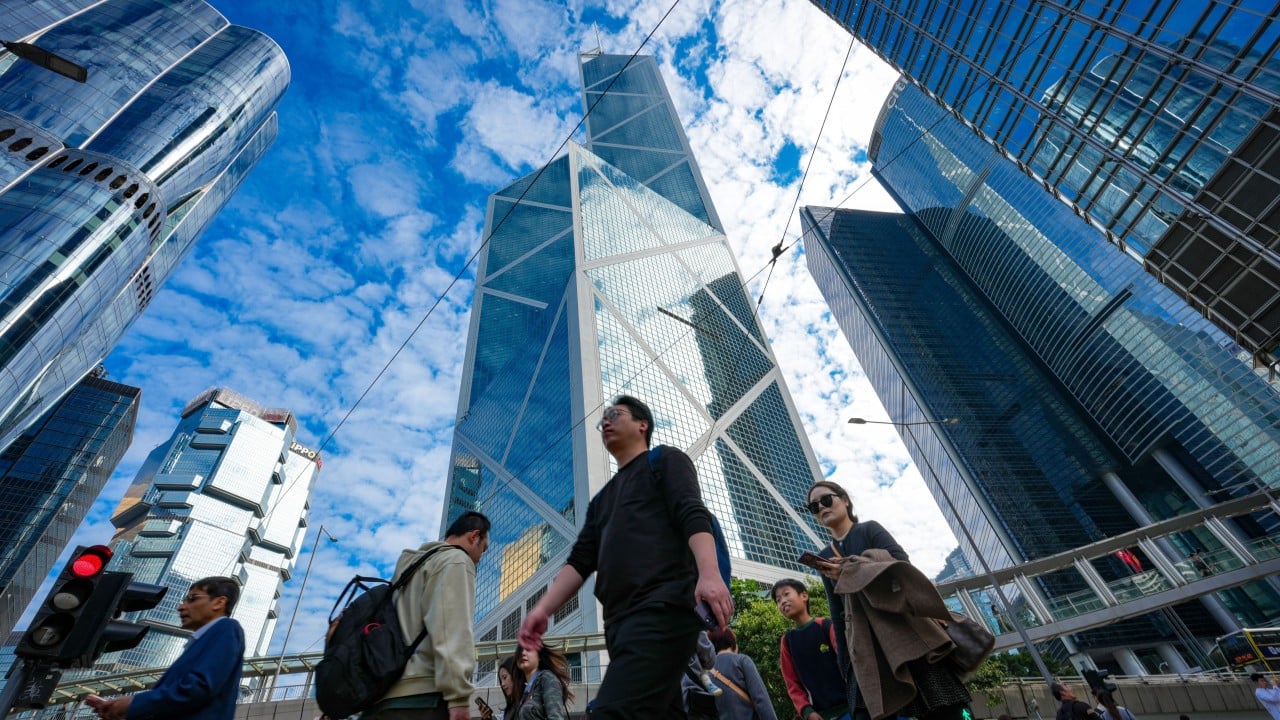
Hong Kong's economy isn't as fragile as the headlines suggest. While social media feeds fill with updates on escalating Middle East conflicts, the city's financial leadership is holding the line on growth. Financial Secretary Paul Chan Mo-po recently made it clear that the official growth forecast remains on track. We're looking at a target between 3.2% and 4.2% for the year. That's a bold stance when global energy prices are jumping and shipping routes are a mess.
It’s easy to get caught up in the gloom. High interest rates are still biting, and the "higher for longer" mantra from central banks has dampened consumer spending. But the underlying data tells a more nuanced story. You've got a massive recovery in inbound tourism and a surge in mega-events that are pumping real cash into the local service sector. If you look past the geopolitical noise, the local engine is actually hummimg.
The Resilience of the 3.2 Percent Growth Floor
Most analysts were skeptical when the government set these targets. They pointed to the weak recovery in mainland China and the sluggish export market. Yet, the first half of the year showed that Hong Kong can pivot. The city has shifted its focus from being just a transit point for goods to becoming a premier destination for high-spending visitors and global talent.
Finance chief Paul Chan emphasized that the direct trade impact from the Middle East on Hong Kong is relatively small. Our primary trade corridors are within Asia and toward the mainland. While oil price spikes affect logistics costs globally, Hong Kong's diversified economy provides a buffer that many Western economies currently lack. The city isn't just surviving; it's repositioning itself.
Why Geopolitical Volatility Won't Tank the Local Recovery
You might wonder how a war thousands of miles away doesn't derail a city so dependent on global trade. It comes down to the "Middle Lane" strategy. Hong Kong has become increasingly integrated with the Greater Bay Area, reducing its relative exposure to Western consumption cycles. When the US or Europe slows down due to energy shocks, the internal trade dynamics within Asia often pick up the slack.
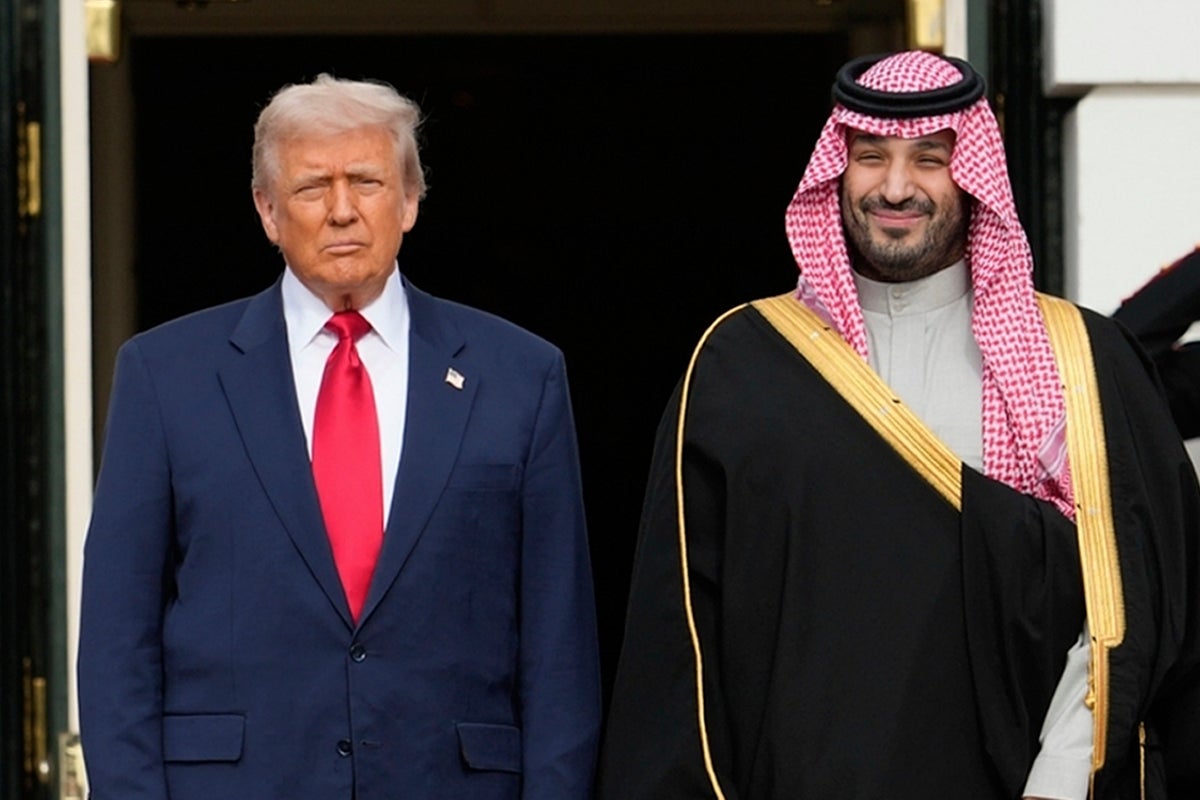
Investment is also flowing in from different taps. We're seeing a concerted effort to attract family offices and sovereign wealth funds from the Middle East itself. It’s a bit ironic. While the conflict creates uncertainty, it also drives capital flight from the region toward safe-haven financial hubs like Hong Kong. The city is essentially acting as a neutral ground for capital that needs a home far away from the immediate blast zone.
- Tourism numbers are hitting 70% of pre-pandemic levels.
- Retail sales are stabilizing as locals stay home to spend.
- The talent scheme has brought in over 100,000 new residents.
Addressing the High Interest Rate Elephant in the Room
Let's be real for a second. The biggest threat to your wallet in Hong Kong isn't a drone strike in the Gulf—it's the Federal Reserve. Because the Hong Kong Dollar is pegged to the US Greenback, we're forced to import American monetary policy. This has crushed the local property market and made borrowing expensive for small businesses.
Paul Chan hasn't ignored this. He’s noted that while high rates persist, the "worst" of the tightening cycle is likely behind us. Even if rates don't drop tomorrow, the market has finally priced them in. Stability, even at a high cost, is better for business than the wild volatility we saw last year. People are starting to sign leases and take out loans again because they finally know what the "new normal" looks like.
Moving Past the Export Slump
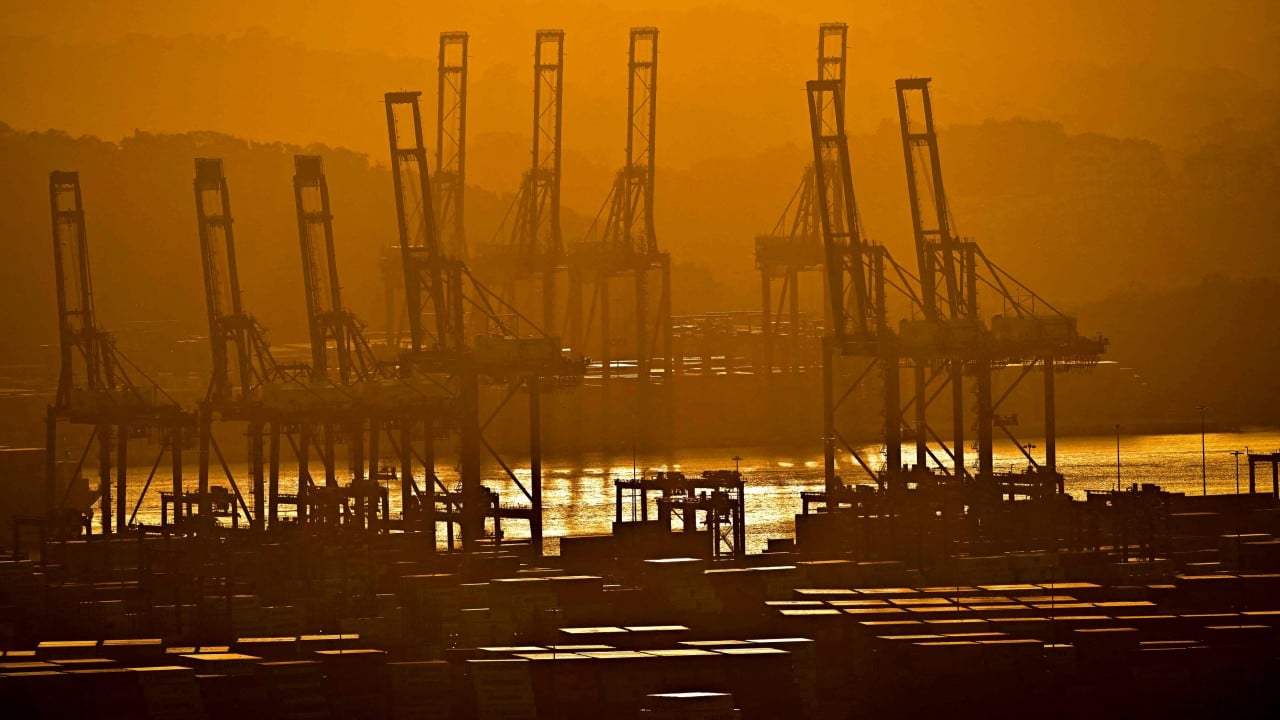
For decades, Hong Kong lived and died by its port. That’s changing. The growth we're seeing now is driven by services, intellectual property, and fintech. When the Finance Secretary talks about hitting growth targets, he's looking at the digital economy and the "Headquarters Economy" initiatives.
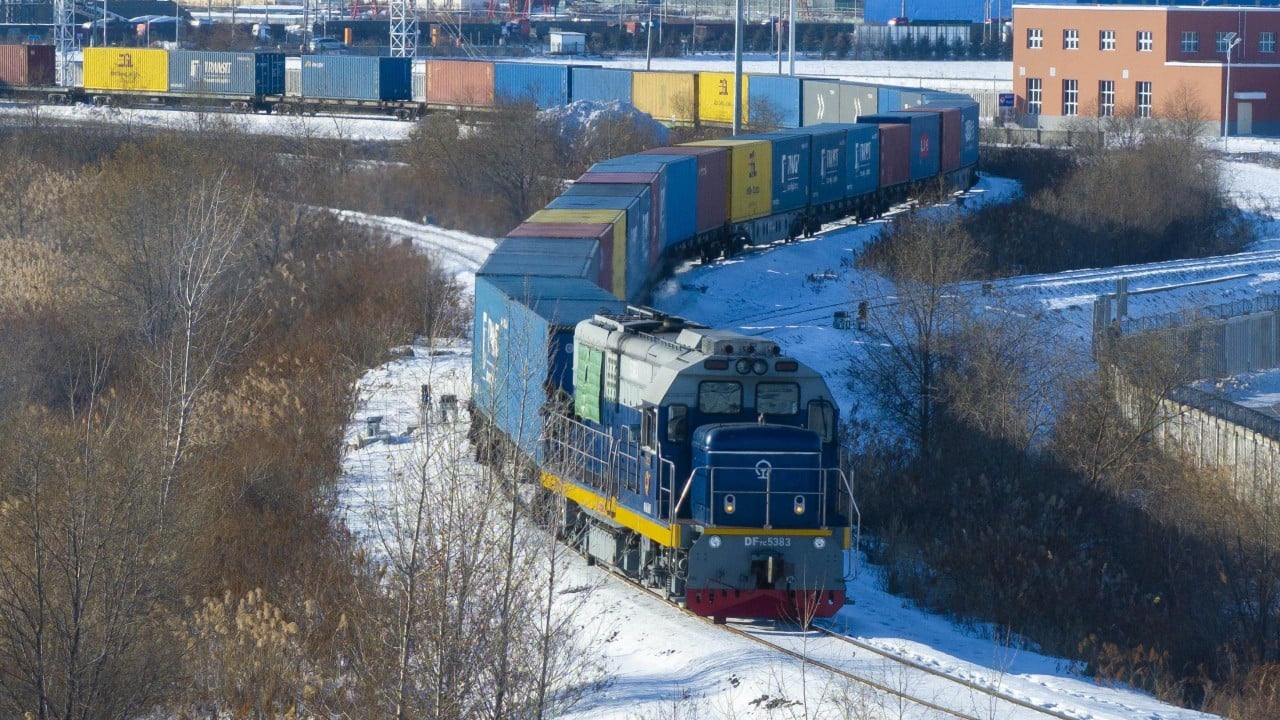
The government is aggressively courting companies to set up their regional bases here. They aren't just looking for banks anymore. They want life sciences, AI firms, and green energy startups. This diversification is exactly why a spike in shipping insurance in the Red Sea doesn't automatically mean a recession for us. We've built walls of service-based revenue that are much harder to knock down than a stack of shipping containers.
What You Should Watch Instead of the News
If you're trying to gauge where the economy is headed, stop watching the oil tickers for a moment. Look at the airport arrival halls. Look at the occupancy rates in Grade-A office buildings in Central. These are the real-time indicators of Hong Kong’s health.
The government's commitment to the 3.2% to 4.2% range isn't just political posturing. It’s based on a massive pipeline of infrastructure projects and a calendar full of international conventions. These events bring in the "big whales"—investors who spend tens of thousands of dollars in a single weekend. That trickle-down effect is what keeps the neighborhood dai pai dong and the high-end mall running simultaneously.
Honestly, the biggest risk is internal. If the city fails to keep innovating or if it becomes too expensive for young talent to live here, that’s when the growth stops. But as of now, the momentum is leaning toward a win.
Keep an eye on the upcoming policy address updates. They’ll likely contain more stimulus measures if the global situation worsens. For now, the strategy is simple: stay the course, attract the capital, and ignore the doomsayers.
Review your own investment portfolio for exposure to local REITs or service-sector stocks that benefit from this tourism surge. The floor is set, and the ceiling is higher than you think.