The Iranian Parliament Speaker, Mohammad Bagher Ghalibaf, has flatly denied the existence of back-channel negotiations with the Trump administration, labeling recent claims of diplomatic progress as strategic "fake news." This denial is more than a simple rebuttal. It is a calculated move to insulate the global energy market from speculative volatility. Tehran’s official stance is that no dialogue has occurred, framing the reports as an attempt by Washington to manipulate oil prices and project an image of a weakening Islamic Republic.
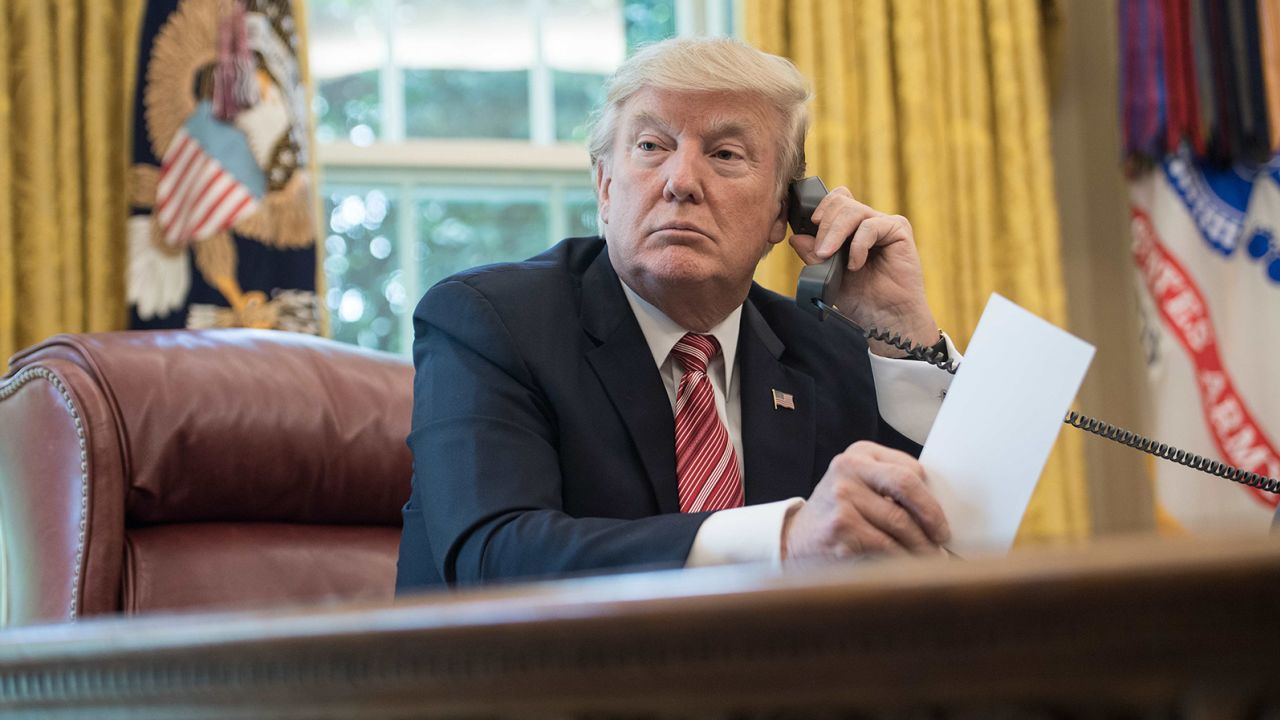
The friction between Tehran and Washington has entered a phase of high-stakes information warfare. When a U.S. leader suggests that a deal is imminent or that "the phone is ringing," the market reacts. Traders hate uncertainty, but they love a narrative of de-escalation. By insisting that no negotiations have taken place, Ghalibaf is signaling to both domestic hardliners and international energy stakeholders that Iran will not be bullied into a rhetorical corner or used as a tool for American domestic economic policy.
The Mechanics of Market Manipulation through Diplomacy
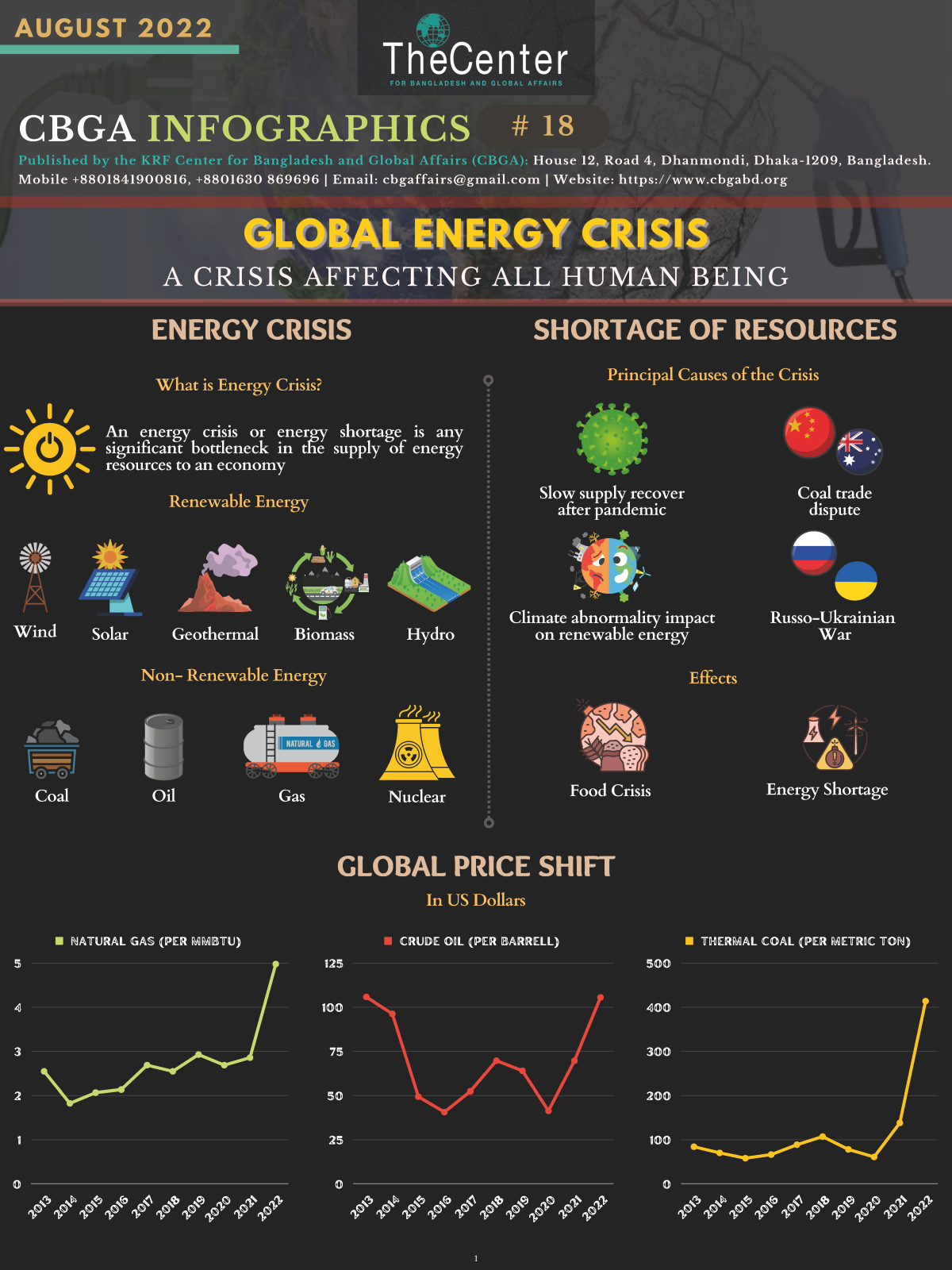
Information is the most potent currency in the oil trade. When rumors of a breakthrough between the U.S. and Iran hit the wires, the price of Brent crude often dips. This happens because the market anticipates the return of millions of barrels of sanctioned Iranian oil to the global supply. For an American administration facing pressure over domestic gas prices, the mere suggestion of a deal can act as a cooling agent on inflation.
Tehran sees this as a cynical ploy.
From the perspective of the Iranian leadership, the Trump administration’s claims of ongoing talks are a form of economic sabotage. If the world believes a deal is close, buyers might hold off on long-term contracts with other suppliers, or the downward pressure on prices could hurt Iran’s current "shadow" exports to China. Ghalibaf’s forceful dismissal is an attempt to regain control of the narrative. He is telling the world that the "Maximum Pressure" campaign has not brought Iran to its knees, nor has it forced them into secret rooms at the United Nations.
Domestic Pressure and the Speaker’s Standing
Ghalibaf isn’t just talking to the West; he is talking to his own base. The Iranian political structure is not a monolith. Within the halls of the Majlis, there is a constant tension between those who see the necessity of sanctions relief and the "Principlists" who view any talk with Washington as a betrayal of the revolution.
For Ghalibaf to admit to even preliminary talks without a concrete roadmap would be political suicide. He must maintain the facade of total resistance. By calling the reports "fake news," he aligns himself with the Supreme Leader’s long-standing directive that negotiations are useless unless the U.S. returns to the original terms of the 2015 nuclear deal (JCPOA).
The Shadow of 2018
The ghost of the U.S. withdrawal from the nuclear accord hangs over every official statement. Iran’s refusal to engage is rooted in a fundamental lack of trust. When the Trump administration exited the deal in 2018, it didn't just reimpose sanctions; it destroyed the logic of Iranian pragmatism.
The current refusal to negotiate is a demand for a different kind of collateral. Tehran is no longer interested in verbal assurances or "handshake deals" that can be erased by an executive order. They want structural changes that are "Trump-proof," a requirement that the current U.S. political climate finds nearly impossible to meet.
The China Factor in the Oil Equation
While the U.S. focuses on the rhetoric of "deals," Iran has been busy diversifying its economic dependencies. The most significant of these is the long-term strategic partnership with Beijing.
- China’s Teapot Refineries: Small, independent refineries in China have become the primary destination for Iranian crude.
- The Rebranding Game: Iranian oil is often relabeled as "Malaysian" or "Omani" to bypass sanctions.
- Non-Dollar Trade: Increasingly, these transactions are settled in Yuan, further insulating the trade from the reach of the U.S. Treasury.
This "ghost fleet" of tankers ensures that Iran remains a player in the energy market regardless of what is said on the floor of the Iranian Parliament. When Ghalibaf rejects the notion of negotiations, he does so with the knowledge that Iran is not as isolated as it was ten years ago. The leverage of sanctions is diminishing.
The Fallacy of the Quick Fix
Washington’s penchant for seeking a "grand bargain" ignores the granular reality of Iranian politics. There is a persistent belief in U.S. policy circles that if the pressure is high enough, the "moderate" wing of the Iranian government will seize power and sign a deal. This is a fundamental misunderstanding of how the Iranian state functions.
Decisions on high-level diplomacy are made by the Supreme National Security Council and ultimately approved by Ayatollah Ali Khamenei. The Speaker of the Parliament, while influential, acts as a megaphone for the collective decision of the ruling elite. When he says there are no negotiations, it means the collective consensus in Tehran is that the current U.S. offers are not worth the paper they are printed on.
The reality of the situation is a stalemate that benefits neither party in the long run but serves their immediate political needs. Trump can claim he is "getting close" to a deal to keep voters and markets hopeful. Ghalibaf can claim "total resistance" to keep his supporters loyal.
The Strategic Importance of the Strait of Hormuz
Behind the war of words lies the physical reality of the Strait of Hormuz. Approximately one-fifth of the world’s total oil consumption passes through this narrow waterway. Iran knows that it doesn't need to win a war of words to have the upper hand. The threat of maritime disruption is its ultimate insurance policy.
Every time Ghalibaf or other high-ranking officials dismiss U.S. claims, they are also reminding the world that Iran is a regional power that cannot be ignored or bypassed. They are asserting that any stability in the global energy market must come through a formal, respectful recognition of Iranian interests, not through Twitter-style diplomacy or leaked rumors.
The "fake news" label applied by Ghalibaf is a defense against what Iran perceives as a psychological operation. In the world of high-stakes intelligence and global trade, the truth is often less important than the perception. If the world perceives that Iran is desperate, its bargaining power evaporates. If the world perceives that the U.S. has no plan, its leadership is questioned.
Beyond the Rhetoric
The fundamental problem remains the gap between what Washington considers "reasonable" and what Tehran considers "survival." The U.S. wants a total cessation of the nuclear program and an end to regional proxy influence. Iran wants an end to all sanctions and a guarantee that the U.S. will not interfere in its domestic affairs.
These are not points for a quick negotiation. They are the bedrock of a forty-year-old conflict.
Ghalibaf’s statements should be read as a hardening of the Iranian position. As long as the U.S. relies on "leaks" and public pressure to drive Iran to the table, the Iranian leadership will continue to issue public denials. This is a cycle of performance where neither side is actually speaking to the other, but both are performing for their respective audiences.
The global oil market will continue to react to every headline, but the underlying reality is one of deep-seated mistrust. There is no shortcut to a deal when the fundamental objectives of both nations are in direct opposition. The "fake news" from Washington and the "stone wall" from Tehran are two sides of the same coin.
Monitor the movements of the VLCCs (Very Large Crude Carriers) in the Persian Gulf rather than the press releases from the Majlis. The real story isn't in what Ghalibaf says; it’s in how many barrels are actually moving and who is paying for them. Check the shipping manifests and the satellite imagery of the Kharg Island terminal if you want to know if a deal is actually on the horizon.