You paid $300 for a ticket. You booked a hotel. You spent three hours getting ready. Then, thirty minutes before the lights go down, the giant LED screen delivers the news. The show is off. It’s a gut-punch every music fan knows too well. Usually, it’s "illness" or the classic "unforeseen circumstances," which is industry speak for "we didn't sell enough tickets to cover the fuel for the bus."
But sometimes, the truth is way weirder.
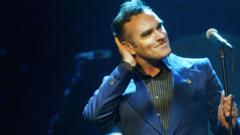
We’ve moved past the era of simple rockstar debauchery. Today’s cancellations involve everything from humidity levels to psychological exhaustion. Morrissey recently made headlines for being "too tired" to take the stage, a move that surprised absolutely no one who has followed his career for more than a week. It’s a trend that’s growing. Artists are more transparent, or perhaps just more eccentric, about why they can’t show up.
The Morrissey Factor and the Art of the Early Exit
Morrissey has turned the cancelled gig into a sub-genre of performance art. In 2024, he famously pulled the plug on 40th-anniversary dates because of "physical exhaustion." It sounds relatable until you realize he’s cancelled or postponed hundreds of shows over the last few decades. He’s the undisputed king of the weak excuse.
In 2012, he called off a show in Boulder, Colorado, because the venue smelled like "burning flesh." It was actually just the smell of food from a nearby cafeteria. For a militant vegan, that’s a crisis. For a fan who drove five hours, it’s a joke.
The industry is seeing a shift. It’s no longer just about being too drunk to stand up. It’s about the "vibe" being off or the environment not meeting a specific, often impossible, standard. When an artist of that stature cancels, it ripples through the local economy. Hotels lose bookings. Bars lose the pre-show rush. The artist? They usually keep the deposit.
Humidity and the Great Outdoors
Outdoor festivals are a logistical nightmare. We get that. Wind and lightning are genuine safety concerns. But some excuses lean into the absurd.
Kings of Leon once famously abandoned a set in St. Louis after just three songs. The reason? Pigeons. Specifically, pigeon droppings. The birds were nesting in the rafters of the Verizon Wireless Amphitheater and were effectively using the band for target practice. Bassist Jared Followill reportedly got hit in the mouth.
You can’t really blame him for not wanting to swallow bird waste while singing, but the fans weren't thrilled. They wanted a rock show, not a health and safety seminar. This highlights the friction between the "show must go on" mentality of the 70s and the modern era of "I’m not dealing with this."
The Psychological Weight of the Modern Tour
We have to talk about mental health without being dismissive. It’s a real factor. The pressure of a 100-date global tour is something most people can't grasp. Justin Bieber and Shawn Mendes both scrapped massive runs to focus on their well-being.
But there’s a line where "self-care" meets "poor planning."
When an artist cancels because they’re "not feeling the energy" of a city, it’s a slap in the face to the working-class fans who saved for months. We’re seeing a rise in "tour fatigue" excuses very early into cycles. This often points to a deeper issue in the music business. Managers overbook artists to recoup losses from the streaming era, leading to inevitable burnouts. The excuse given to the public is just the polite version of a total system collapse.
Technical Difficulties or Lack of Interest
Sometimes the excuse is so specific it feels like a lie.
- The Kanye West Floating Stage: In 2016, the Saint Pablo tour ended abruptly. Beyond the personal struggles Kanye was facing, there were rumors that the massive, flying stage was a nightmare to insure and move.
- The Oasis Sibling Rivalry: Liam Gallagher once pulled out of an MTV Unplugged session because of a "sore throat." He then proceeded to sit in the balcony, drink beer, and heckle his brother Noel while Noel performed the entire set alone.
- The Humidity Excuse: Meat Loaf once blamed a poor performance on "extreme humidity" that affected his vocal cords. While scientifically plausible, it’s a tough sell when the audience is also sitting in that same humidity and paid for the privilege.
What Happens to Your Money
If a show is cancelled, you usually get a face-value refund. If it’s postponed, you’re often stuck holding a ticket for a date you can't attend.
The real sting isn't the ticket price. It’s the "sunk costs."
- Travel: Airlines don't care if Morrissey is tired. You aren't getting that flight money back.
- Accommodations: Most hotels require 24-48 hours notice. Cancellations usually happen much later than that.
- Fees: Service fees are often non-refundable, meaning Ticketmaster keeps a slice of your money for a service they didn't actually provide.
The Future of Show Reliability
We're entering an era where fans are starting to check "reliability ratings" before buying. Artists like Foo Fighters or Taylor Swift are known for playing through broken bones and torrential rain. They’ve set a bar that makes "tiredness" look pathetic.
If you're planning to see a high-risk artist (the Morrisseys and Lauryn Hills of the world), you need a strategy. Don't book non-refundable hotels. Don't fly across the country unless you're okay with a very expensive dinner and no concert.
Check the artist’s recent history on sites like Setlist.fm or social media fan groups. If they’ve cancelled three of their last five shows, you’re gambling. Treat that ticket like a lottery ticket, not a guaranteed contract. The "excuse" doesn't matter when you're standing in an empty parking lot.
Stop buying tickets for artists who don't respect your time. It’s the only way the industry changes. If the seats are empty because the fans stopped showing up, the artists might suddenly find the energy to perform.
Download a travel insurance app that covers event cancellation. It’s the only way to protect your wallet from a "tired" rockstar.