The safe return of 500 Indian nationals from Iran marks a significant shift in how New Delhi projects power during a regional crisis. While public attention usually fixates on the emotional images of citizens landing at Palam airport, the real story lies in the bypass. By utilizing an unconventional route through Armenia, India has signaled that its traditional reliance on standard Middle Eastern corridors is no longer a given. This wasn't just a rescue mission. It was a live-fire test of a multi-modal transport strategy that has been years in the making.
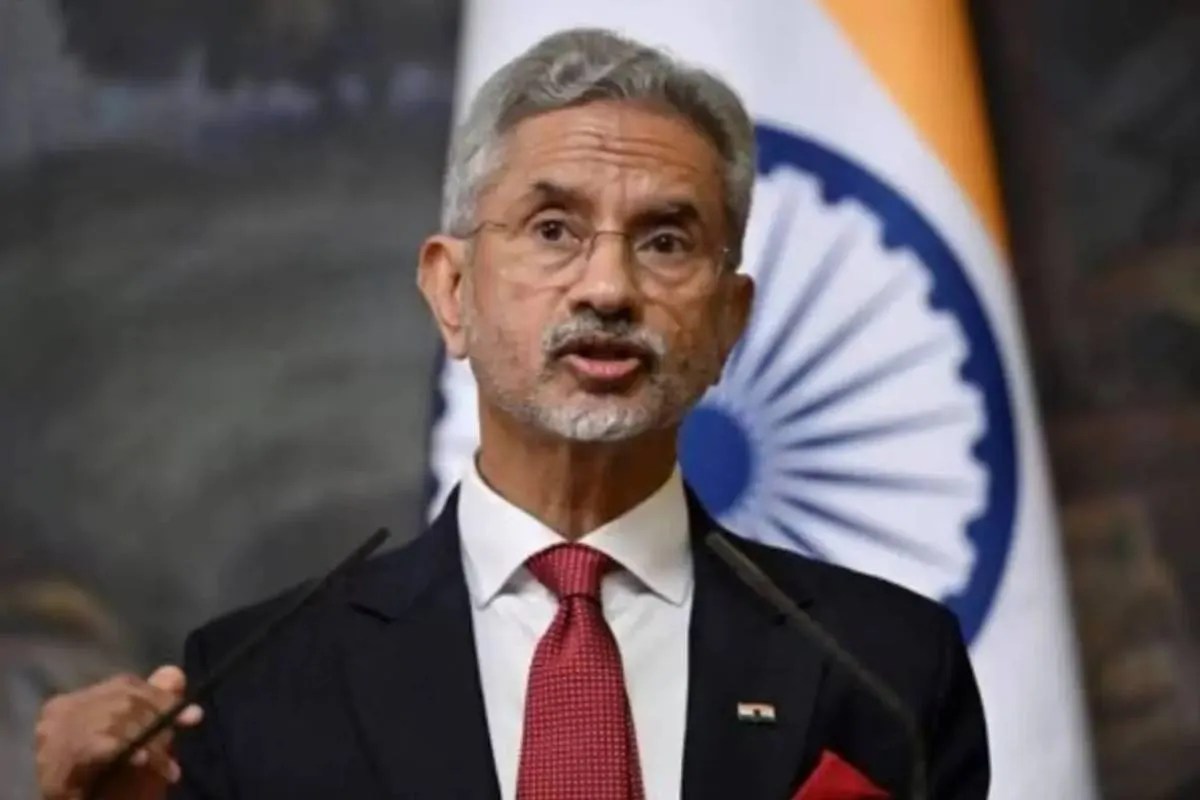
Foreign Minister S. Jaishankar’s confirmation of the "Armenia Route" highlights a departure from the reactive scrambles of the past. In previous decades, an evacuation from Iran would have faced a binary choice: direct flights through congested and potentially restricted airspace, or a naval extraction through the volatile Strait of Hormuz. Instead, the government activated a terrestrial and aerial hybrid. This move serves two purposes. It ensures the safety of the 500 returnees while simultaneously validating Armenia’s growing role as India's strategic gateway to the North.
The Geopolitical Math of the Armenia Route
To understand why Armenia became the "Masterplan" for this operation, one must look at a map of shifting alliances. The Caucasus has traditionally been Russia’s backyard, but India has been quietly cementing ties with Yerevan through major defense deals and infrastructure talks. When the situation in Iran necessitated a swift exit for Indian workers and students, the groundwork laid by those diplomatic missions paid off.
Armenia offers a neutral, relatively stable transit point that avoids the complications of Turkish or Azerbaijani airspace, both of which have complex relationships with India’s regional interests. By moving people overland or via short-haul flights into Armenia before transferring them to long-range aircraft, the Indian Ministry of External Affairs (MEA) bypassed the bottleneck of Iranian airport restrictions. It is a logistical flex. It tells the world that India has more than one way to get its people home.
The cost-benefit analysis of such an operation is grueling. Every hour spent in transit increases the risk of a diplomatic incident or a physical threat. Using Yerevan as a staging ground allowed the MEA to process the returnees in a controlled environment away from the primary zone of tension. This is the new standard for Indian "gray zone" operations—using third-party geography to de-escalate the visibility of a withdrawal.
Logistics Over Optics
Most reporting focuses on the "what"—500 people saved. The "how" is far more interesting to those who study statecraft. The operation required a synchronized effort between the Indian Air Force, commercial carriers, and the Armenian civil aviation authorities. This isn't just about booking seats. It involves the rapid issuance of emergency certificates and the coordination of medical clearances in real-time.
India’s reliance on Armenia in this specific instance also points to a broader shift in our maritime and overland logistics. We have been investing heavily in the International North-South Transport Corridor (INSTC), and this evacuation is the first real-world application of that logistical route in a crisis scenario. It turns out that a trade route is also a superb evacuation route.
The Armenian authorities were not just passive observers. They provided the essential security and landing slots that allowed the process to be streamlined. This level of cooperation is the direct result of India’s recent pivot toward Yerevan as a primary defense partner in the Caucasus. When you sell a country rockets and radar systems, they are much more likely to open their runways for your citizens.
The Problem with Direct Extraction
Why not just fly them directly from Tehran? The Iranian situation was one of high sensitivity. Direct commercial flights were becoming increasingly difficult to schedule with consistency. Grounding 500 people for an indefinite period within a zone of potential escalation was an unacceptable risk for the MEA.
Direct extractions also create a high-profile target. Large groups of foreign nationals clustered at a single major airport are a liability. By breaking the group into smaller units and moving them toward the Armenian border, the Indian government minimized the footprint. This is a tactic more common in special operations than civilian transport, but it reflects the increasingly blurred line between the two in modern diplomacy.
Strategic Autonomy in Action
India’s ability to pull off such an operation without needing the permission or assistance of a Western power is a major milestone. In the past, major evacuations of this scale often required back-channel coordination with regional heavyweights or global superpowers. This time, the "Masterplan" was entirely an Indian and Armenian collaboration.
This sends a clear message to other nations where large numbers of Indian workers are stationed. The Indian state will no longer be held hostage by the geographic constraints of its neighbors. If one path is blocked, they will build, buy, or negotiate another one. It is a sign of a more assertive, less apologetic foreign policy.
The 500 individuals who returned are the human face of a much larger shift in Indian power. They were the test subjects for a logistical blueprint that will likely be the standard for any future crisis in the Middle East or Central Asia. This wasn't just about bringing people home; it was about proving that New Delhi has the reach to do so on its own terms.
The Unseen Infrastructure of the Evacuation
While the Armenia Route is the centerpiece, the success of the mission relied on a digital backbone that the MEA has been quietly perfecting. The use of the "e-Portal" system for real-time tracking of Indian nationals abroad is often overlooked in the headlines. This database allowed the Indian embassy in Tehran to pinpoint exactly who was where, and who needed to move first.
Without this data, the Armenia Route would have been a chaotic mess of bus convoys and missed connections. Instead, it was a sequenced withdrawal. The technology used here is the same that manages our massive overseas workforce, and it proved its worth in this high-stakes scenario.
Why Armenia Wins Long Term
For Armenia, this operation is a massive diplomatic win. It has proven its value as a reliable partner to one of the world's emerging superpowers. By facilitating this evacuation, Yerevan has solidified its position as a strategic "swing state" that can offer India a bypass around the more difficult geopolitical actors in the region.
India’s investment in Armenia is no longer just about weapon sales or trade. It is now about human security. This adds a layer of depth to the relationship that is much harder to break than a simple commercial contract. The Armenia Route is now a permanent part of the Indian strategic playbook.
The Iranian situation may cool down, but the precedent remains. The next time a crisis hits the region, the world won't be looking at traditional routes. They will be looking at where India has built its next bridge. The 500 Indians who just landed in Delhi are the proof that those bridges are already standing.
The focus should now shift to the 13 million other Indians living and working in the Gulf and surrounding regions. If this masterplan worked once, it will be the template for the next ten million. This wasn't a one-off. It was the birth of a new era of Indian power projection that prioritizes logistics over traditional diplomacy. Every Indian citizen abroad now knows that the state has a way out, even if the front door is locked.
The success of the Armenia Route demonstrates that India is no longer a country that waits for permission to save its own. It creates its own paths, using every tool at its disposal—from defense contracts to trade routes—to ensure its people are never left behind. The masterplan is in effect, and it has changed the game of regional evacuation forever.