The headlines are screaming about a "global energy shock." Every time a missile crosses a border in the Middle East, financial pundits dust off the 1973 playbook, predict $150 crude, and tell you to check your pension. They are wrong. They are lazy. And they are ignoring the fundamental mechanics of the modern energy market.
The "geopolitical risk premium" is a ghost. It’s a phantom limb that the market feels even though the reality has changed. If you are panicking about your energy bills or dumping your portfolio because of the latest escalation between Iran and its neighbors, you are falling for a narrative that hasn't been true for a decade.
The Myth of the Supply Crunch
The common consensus is simple: War in the Middle East equals less oil, which equals higher prices. This assumes we live in a world of scarcity. We don't. We live in a world of overcapacity.
The United States is currently the largest oil producer in history. Not just "in the world"—in history. Texas alone produces more oil than many OPEC nations combined. When tensions rise in the Persian Gulf, the response isn't a global shortage; it's a structural pivot. Every time the price of West Texas Intermediate (WTI) ticks up, a dozen more fracking wells in the Permian Basin become profitable.
Furthermore, OPEC+ is currently sitting on millions of barrels of spare capacity. They are desperately trying to keep prices up by keeping oil off the market. If a conflict actually breaks out, the "fear" price hike is usually short-lived because the market knows that at $90 or $100 a barrel, everyone—from the Americans to the Brazilians—will flood the market to capture the margin.
The real danger isn't that the oil disappears. The danger is that the "war" causes a global recession that destroys demand. In that scenario, oil prices don't skyrocket; they crater.
Why Your Pension Isn't at Risk from a Tanker
When the media asks, "What does this mean for your money?", they want you to think about 10% inflation and a stock market crash. I’ve spent twenty years watching traders overreact to the first 48 hours of a conflict, only to see the "war trade" unwind within two weeks.
Look at the data from the last five major escalations in the region. Excluding the initial 24-hour spike, the S&P 500 historically treats geopolitical skirmishes as "noise." Markets hate uncertainty, but they love a resolution. A localized war—even one involving a major player like Iran—is a defined event. It has a beginning, a middle, and an end.
What actually kills your pension isn't a bomb in a refinery; it's the central bank's reaction to the perception of inflation. If the Federal Reserve or the Bank of England hikes rates because they fear energy prices might rise, they choke the economy. The threat is the policy, not the projectile.
The Iran Fallacy: The Strait of Hormuz is a Paper Tiger
"Iran could close the Strait of Hormuz." This is the ultimate "scary story" told to investors. Roughly 20% of the world's liquid petroleum passes through that narrow stretch of water.
Here is the truth: Iran cannot close the Strait without committing economic suicide. They need that water as much as the rest of the world does. More importantly, the U.S. Fifth Fleet exists for the sole purpose of keeping that lane open. Closing the Strait is not a strategic move; it’s an act of total war that would result in the immediate destruction of the Iranian navy and their own export infrastructure.
Even if they tried, the "blockage" would last days, not months. The modern world has strategic reserves—the U.S. Strategic Petroleum Reserve (SPR) and similar stockpiles in China and Europe—specifically designed to bridge the gap during such a blip.
The Stealth Threat: It’s Not Oil, It’s LNG
If you want to actually worry about something, stop looking at the gas pump and start looking at your heating bill. The real vulnerability in the Middle East isn't oil; it's Liquefied Natural Gas (LNG).
While oil is a fungible, global commodity that can be rerouted with relative ease, LNG relies on specialized terminals and specific tanker routes. Qatar is one of the world's largest exporters of LNG. If the Gulf becomes a "no-go" zone for insurance companies, Europe—which is still reeling from the loss of Russian gas—finds itself in a genuine crisis.
But even here, the contrarian view holds. High prices are the best cure for high prices. We saw this in 2022. When prices spiked, demand dropped, and innovation accelerated. The "energy crisis" didn't destroy Europe; it forced it to diversify faster than any government mandate ever could.
How to Actually Play a Middle East Conflict
If you are a retail investor, the worst thing you can do is buy "defense stocks" or "oil ETFs" after the news has already broken. You are buying the top of the fear curve.
- Ignore the "War Premium": Most of the price movement in oil during a conflict is speculative. It’s driven by algorithms and "tourist" traders. If you see crude jump 5% on a headline, wait. History shows that the premium evaporates as soon as the first shipment clears the Strait.
- Look for the "Fear Discount" in Tech: When people panic about war, they sell "risk" assets—specifically high-growth tech. This is illogical. A conflict in the Middle East doesn't make a software company in California less valuable. Use the energy-driven dip to buy companies that have nothing to do with the price of a barrel.
- Check the Currency, Not the Commodity: In times of conflict, the U.S. Dollar strengthens as a safe haven. This actually puts downward pressure on oil prices, which are priced in dollars. It’s a self-correcting mechanism that the "doomsday" pundits never mention.
The Brutal Reality of "Energy Independence"
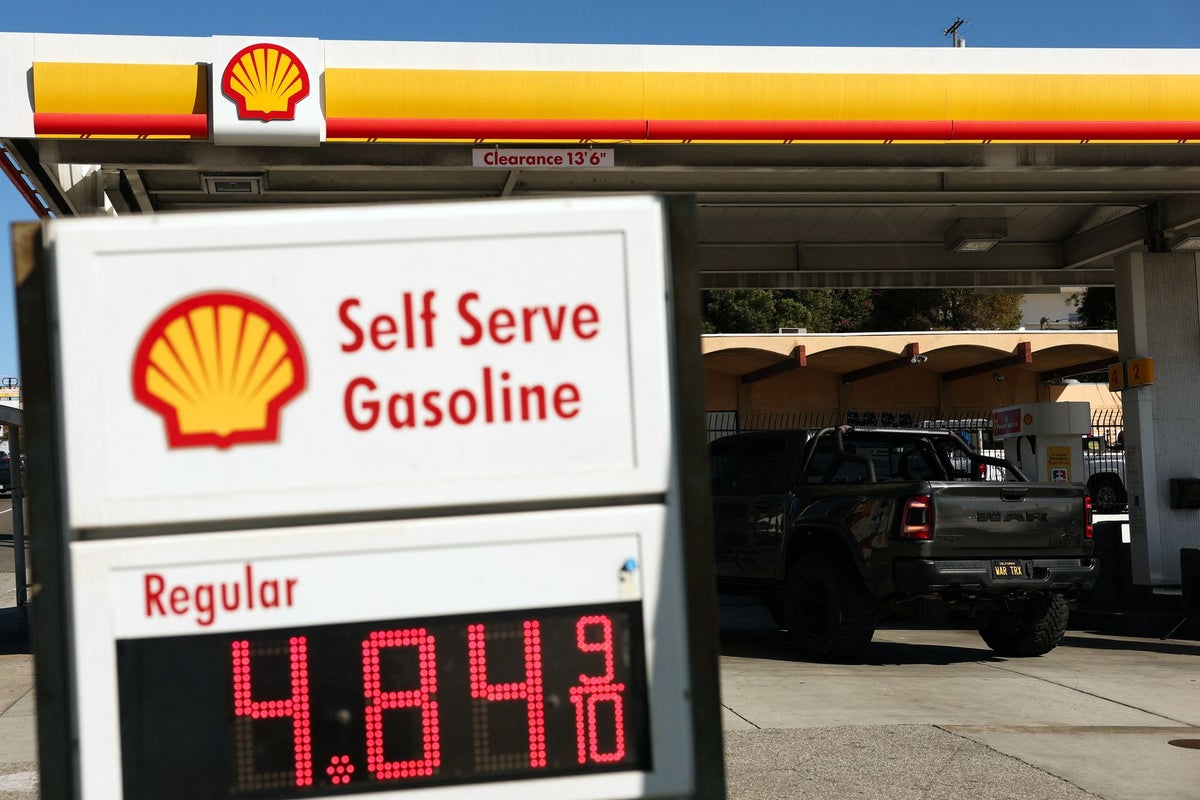
We’ve been sold a lie that we need "energy independence" to be safe. We are already there, and it hasn't changed a thing. The U.S. is a net exporter, yet Americans still pay more at the pump when a drone hits a terminal 7,000 miles away.
Why? Because oil is a global market. You aren't paying for "Texas oil"; you're paying the global price for a commodity that is traded by people who are paid to be paranoid. To protect your money, you must stop thinking like a consumer and start thinking like a contrarian.
The "lazy consensus" wants you to believe we are one spark away from the Stone Age. They want you to stay glued to the news cycle so you'll click on their "pension protection" ads.
The reality is that the world is more resilient than the headlines suggest. The global supply chain is a hydra; you cut off one head, and two more grow in the Eagle Ford or the North Sea.
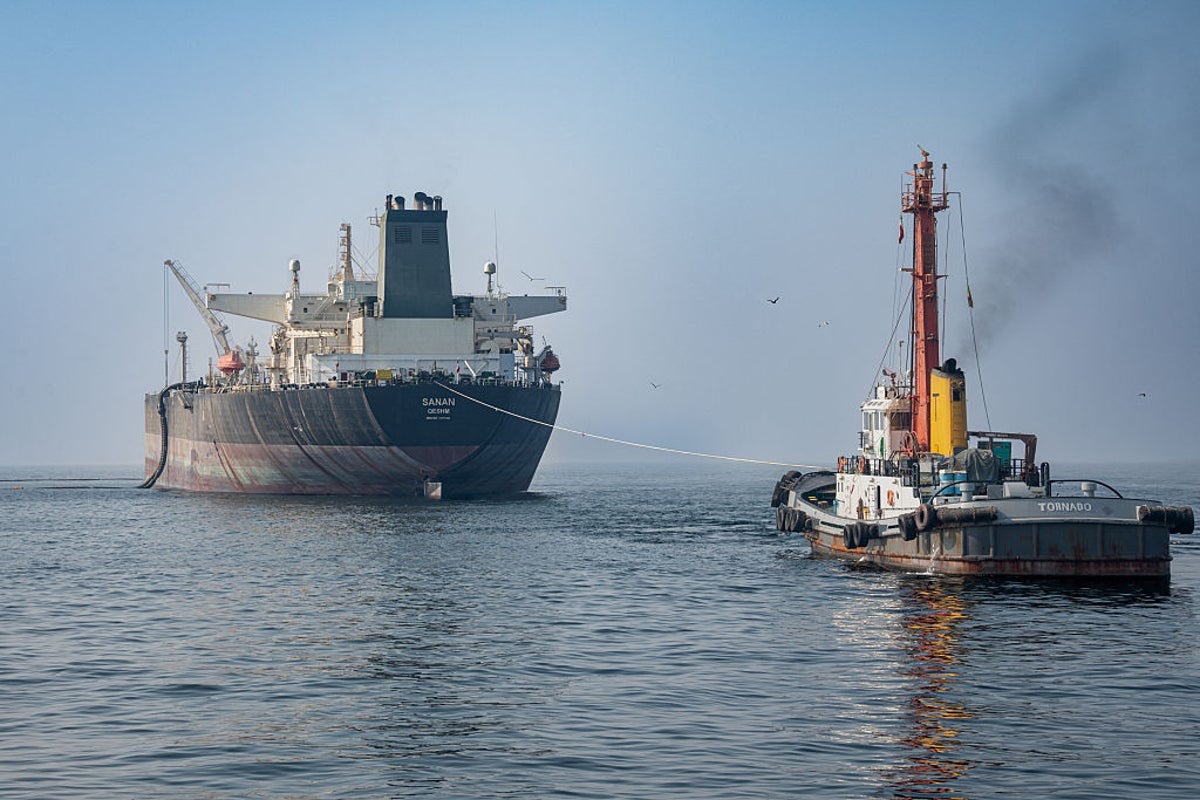
Stop watching the tanks. Watch the tankers. If they are still moving, your money is fine. If they stop, the price spike will be the least of your concerns, because we’ll be in a global conflict that makes your 401(k) balance irrelevant anyway.
Bet on the resilience of the system, not the volatility of the theater. The market has already priced in the apocalypse; anything less than that is a buying opportunity.
Stop asking if war will make you poor. Start asking why you’re listening to people who profit from your fear.