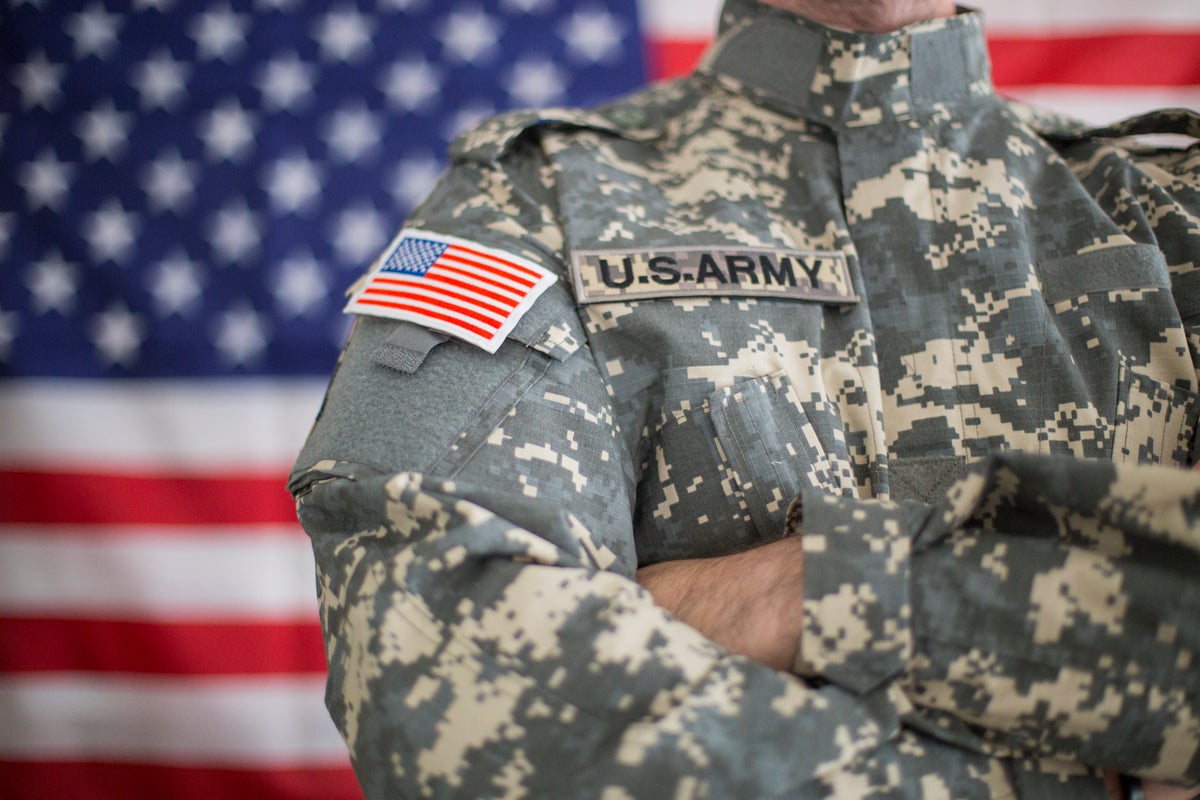
The US Army is facing its toughest recruiting environment since the draft ended in 1973. It's not just a "tough year" anymore. It's a crisis. To fix it, the Pentagon is quietly shifting the goalposts on who gets to wear the uniform. They’ve bumped the maximum enlistment age and started green-lighting applicants with certain criminal records that would’ve been an automatic "no" five years ago.
If you think this is just about filling seats, you’re missing the bigger picture. The military is desperate to adapt to a generation that’s less interested in service and more prone to disqualifying factors like fitness issues or past legal mistakes. This isn't a "lowering of standards" in the way some critics claim. It’s a pragmatic, albeit risky, recalculation of what a soldier actually looks like in the 2020s.
The Age Ceiling Just Hit Forty
For a long time, the Army's age limit felt set in stone. Usually, you had to be under 35 to start basic training. Not anymore. The Army raised the maximum age for active duty enlistment to 39, and in some specific cases involving prior service or high-demand skills, they’re looking even older.
Why 39? Because the 18-to-24-year-old demographic is failing them. Roughly 77% of young Americans are currently disqualified from military service without a waiver. They’re too heavy. They have mental health diagnoses. They have track records with the law. By looking at 30-somethings, the Army is betting on maturity.
Someone who is 38 years old usually has a stable work history. They know how to show up on time. They don't have the same "impulse control" issues that a 19-year-old might. The trade-off is physical. Can a nearly 40-year-old body handle the rigors of Fort Moore in July? The Army thinks so, provided the recruit can pass the initial physical. They’re betting that a slightly slower runner with a decade of life experience is more valuable than an empty barracks room.
Rethinking the Criminal Record Barrier
The shift on criminal convictions is where things get controversial. Traditionally, a felony or certain serious misdemeanors meant you were barred for life. Today, the Army is increasingly using "moral waivers" to bypass these restrictions.
We aren't talking about violent offenders or sexual predators. The Army remains very clear that those categories are still off-limits. Instead, they’re looking at what they call "low-level" offenses. Think of things like minor drug possession from years ago or non-violent lapses in judgment that happened in someone's youth.
This change reflects a cultural shift. With marijuana being legalized in many states, holding a rigid line on past drug use was becoming a self-inflicted wound for recruiters. If a 25-year-old has a clean record for five years but got caught with a joint at 18, the Army now sees a potential soldier instead of a liability.
It's a gamble on redemption. The military has always been a place for second chances, but the scale of these waivers suggests the second chance is now a core part of the business model. Recruiters are being told to look at the "whole person." That sounds great in a press release. In practice, it means more paperwork and more pressure on commanders to vet the character of their new recruits.
The Reality of the Recruitment Shortfall
The numbers are grim. In recent years, the Army has missed its recruiting goals by thousands. The "Total Force" is shrinking because the math doesn't add up. General officials admit they’re competing with a private sector that offers better pay, remote work, and zero chance of getting deployed to a conflict zone.
Gen Z views the military differently than Millennials did post-9/11. The sense of "patriotic duty" isn't the primary driver it used to be. For many, the military is a career choice, and right now, it’s a choice that comes with too many restrictions.
The Army's response has been the "Future Soldier Preparatory Task Force." This is essentially a pre-basic training camp for people who want to join but don't meet the body fat or academic standards. It’s been surprisingly successful. They take kids who are 2% over the body fat limit, put them through a month of diet and exercise, and then ship them to the real deal. This same logic is being applied to the age and legal waivers. If you aren't perfect today, they’ll try to get you there.
Is This Weakening the Force
Critics argue that by widening the net, the Army is inviting trouble. They point to the "Surge" era during the Iraq War when standards were lowered and discipline issues spiked. There's a legitimate fear that older recruits might struggle with the "followership" required in the lower ranks. Imagine being a 39-year-old Private First Class being barked at by a 22-year-old Sergeant. That’s a recipe for friction.
On the other side, proponents say this is just common sense. The world has changed. If the Army stays stuck in a 1990s mindset about who is "fit to serve," the force will continue to dwindle until it can't meet its global commitments.
The Army isn't doing this because they want to. They’re doing it because they have to. The quiet nature of these changes—often buried in administrative updates rather than flashy announcements—shows how sensitive the Pentagon is about the optics. They don't want to look desperate. But when you’re raising age limits and forgiving crimes, desperation is the only word that fits.
What This Means for Potential Recruits
If you’ve been sitting on the sidelines because of your age or a mistake you made a decade ago, the door is officially open. The process isn't "easy," but the "no" you got five years ago might be a "maybe" today.
Here is how you actually navigate this new reality:
- Be upfront with your recruiter. Don't hide the legal stuff. The Army will find it during the background check anyway. The new policy relies on transparency. If you lie, the waiver is dead.
- Focus on the "Why." If you're an older recruit, you need to prove why you’re joining now. They want to hear about stability and a desire to contribute, not that you just ran out of options.
- Get in shape before you call. Even with higher age limits, the physical standards for passing Basic Training haven't changed. A 39-year-old heart still has to beat the same clock as a 19-year-old heart.
- Research specific MOS (Job) openings. Some jobs are more likely to get waivers than others. If you have a technical skill that the Army needs—like cyber security or linguistics—your chances of getting an age or moral waiver skyrocket.
The US Army is essentially rebranding itself as a "Big Tent" organization. They need bodies, and they’re willing to look past a lot of things to get them. This shift is the most significant change to military personnel policy in a generation. It will define the strength—and the character—of the American fighting force for the next decade. If you're interested, get your paperwork together and talk to a recruiter now. The window is open, but in the military, windows have a habit of slamming shut without warning.