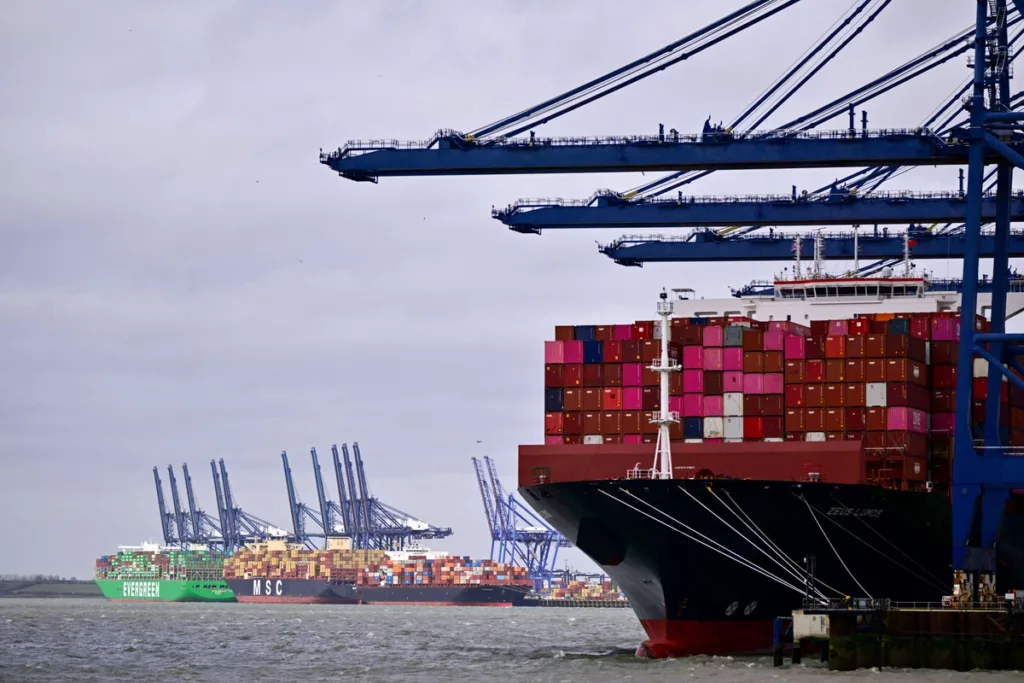
The UK government just drew a line in the sand. Business Secretary Peter Kyle stood in Port Talbot and dropped a bombshell: from July, the UK is slashing steel import quotas by 60% and slapping a 50% tariff on anything that creeps over the limit. It's a massive shift. For decades, we've watched British steelmaking wither, replaced by cheaper slabs from China and elsewhere. Now, the goal is to make sure 50% of the steel used in this country actually comes from here.
Right now, that figure is only 30%.
If you're wondering why this matters to you, look at the price of your next car or the cost of the new bridge in your town. Steel is the skeleton of the modern world. Relying on volatile global markets for it is a gamble that's finally being called out. This isn't just about protecting jobs; it's about national security and making sure we aren't the only G7 nation that can't make its own primary metal.
The 50 Percent Gamble
The math is simple but the execution is brutal. By doubling the tariff from 25% to 50% on above-quota imports, the government is effectively making foreign steel a luxury item. They're following the lead of the US, Canada, and the EU. Everyone is putting up walls to block subsidized Chinese steel that's been flooding the market for years.
Honestly, it’s a culture shift for Westminster. For a long time, the "free trade at any cost" ideology ruled. But when you're spending £1.3 million a day just to keep the lights on at Scunthorpe, the ideology starts to feel pretty expensive.
Why the sudden urgency?
- National Security: You can't build warships or wind turbines if you don't control the supply chain.
- Economic Resilience: Global supply chains are a mess. The Strait of Hormuz is effectively closed, and energy prices are swinging wildly.
- The Scunthorpe Crisis: The government took control of British Steel's Scunthorpe plant last year because it was on the verge of a total collapse. They're currently babysitting the last two blast furnaces in the country.
Cleaning Up a Dirty Industry
You can't talk about British steel without talking about the "green" elephant in the room. Traditional blast furnaces are carbon nightmares. They use coal and iron ore to create "virgin" steel. The plan now is to ditch the coal and move to Electric Arc Furnaces (EAFs). These machines melt down scrap metal using high-voltage electricity.
It’s a circular economy dream. The UK exports millions of tonnes of scrap every year only to buy it back as finished steel. That’s just bad business. Tata Steel is already building a massive EAF at Port Talbot, scheduled to go live in 2028. This transition should cut direct CO2 emissions by about 90%.
But there’s a catch. EAFs need far fewer people to run them. We’ve already seen 2,800 jobs go at Port Talbot. It’s the uncomfortable truth of modernization. You get a cleaner, more efficient industry, but the human cost is heavy.
The Hidden Risks of Protectionism
Not everyone is cheering. If you're in construction or manufacturing, these tariffs look a lot like a new tax. Shadow Business Secretary Andrew Griffith has been vocal about this. He argues that raising the cost of imported steel just makes everything else in the UK more expensive.
There's also the issue of the Carbon Border Adjustment Mechanism (CBAM). This is a fancy way of saying we're going to tax imports based on their carbon footprint to level the playing field. But industry experts are worried that the way the UK is setting this up might actually favor Chinese steel over our own. If we don't get the technical details right, these tariffs could backfire, leaving us with expensive steel and a struggling manufacturing sector.
What This Means for the Future
The next few months are going to be a frenzy. Companies that have existing contracts for imported steel are scrambling to see if they can get exemptions. The government says they’re "looking into" a transitional period for contracts signed before March 14, 2025, but nothing is set in stone yet.
If you're a business owner or a contractor, don't wait for the July deadline to adjust your procurement strategy.
- Review your supply chain: Identify exactly how much of your steel is imported and whether those products can be sourced domestically.
- Audit your contracts: If you have shipments arriving after July 1st, check if they fall under the 60% quota reduction.
- Watch the energy market: EAFs live and die by electricity prices. The government has promised more support for energy-intensive firms, but you'll need to keep a close eye on the "Supercharger" scheme updates.
The era of cheap, unchecked steel imports is over. Whether the UK can actually hit that 50% domestic production target depends on how fast we can build these new electric furnaces and whether we can keep energy costs low enough to make the final product competitive. It's a high-stakes pivot, but staying the course wasn't working anymore.