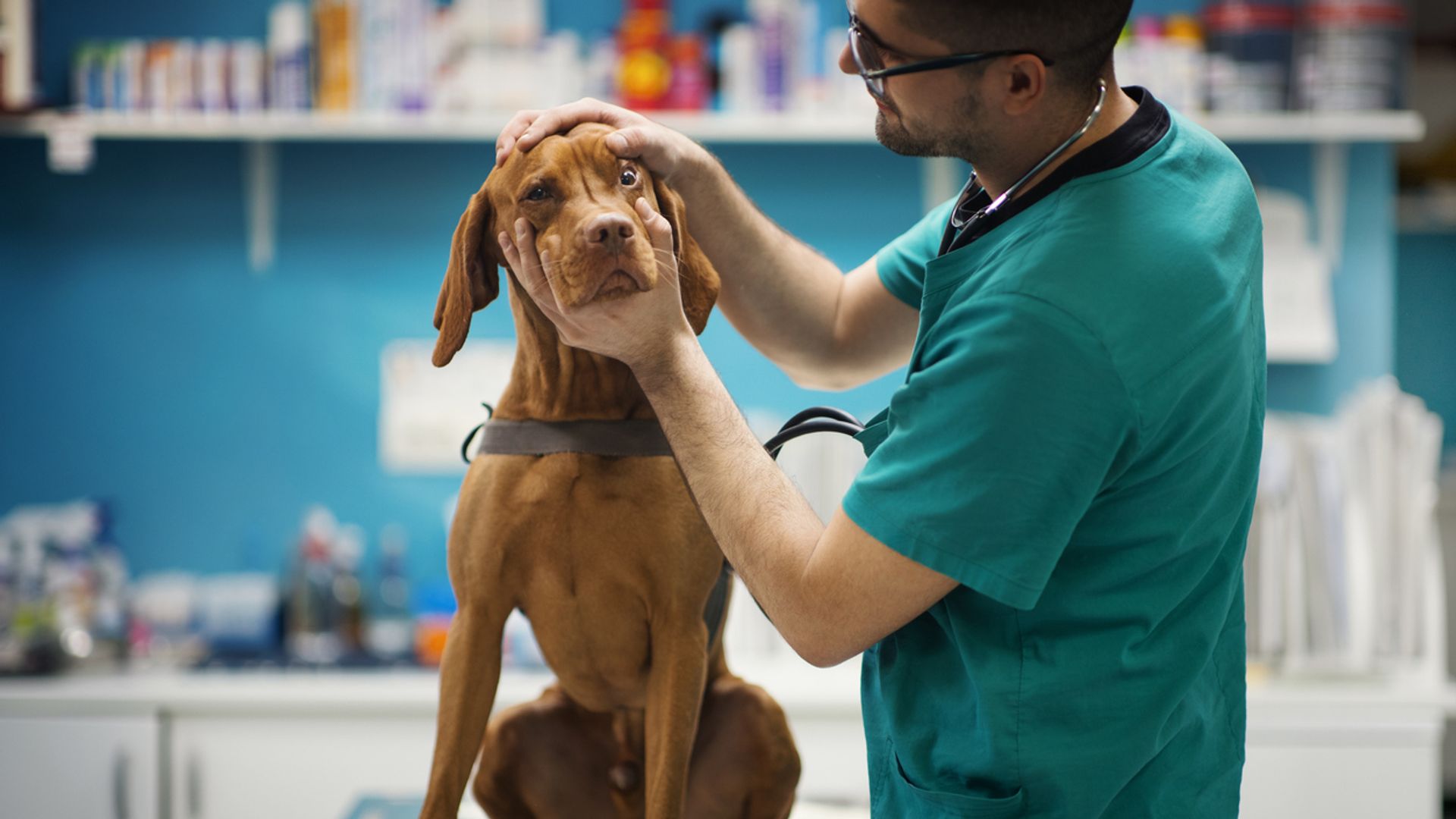
Your local vet might soon have a much harder time charging you a small fortune just to hand over a piece of paper. If you've ever felt that stinging resentment at the front desk when asked to pay £40 or £50 just for a prescription—before you’ve even bought the actual medicine—you aren't alone. That era of unchecked pricing is coming to a screeching halt.
Following a massive investigation into the UK veterinary sector, the Competition and Markets Authority (CMA) has laid down the law. The headline is simple. Pet owners should pay no more than £21 for a prescription. It's a massive win for transparency in a market that has felt increasingly like a closed shop. You might also find this connected story interesting: The $2 Billion Pause and the High Stakes of Silence.
For years, the "big six" corporate groups have been snapping up independent practices. This consolidation hasn't exactly led to lower prices for you or me. Instead, it created a system where many pet owners didn't even know they had the right to buy their pet's heart meds or flea treatments elsewhere for a fraction of the cost.
Why the £21 Cap Matters
The CMA didn't just pull this number out of a hat. They looked at the massive disparity in what vets charge across the country. Some clinics were charging £15 while others were north of £70 for the exact same administrative task. It was a postcode lottery that penalized people for living near a corporate-owned clinic. As highlighted in detailed coverage by NPR, the effects are significant.
Let's be clear about what a prescription fee actually covers. It's the vet’s time to check the animal's records, ensure the dosage is correct, and sign off on the legal document. It shouldn't be a profit center used to subsidize other parts of the business. By capping this at £21, the regulator is forcing vets to be more honest about where their money comes from.
If your vet tries to charge more, they're now on the wrong side of the regulatory tracks. This isn't a suggestion. It's a move to fix a broken market.
The Corporate Takeover of Your Local Vet
You might still see the old family name on the sign outside your clinic. Don't let that fool you. There’s a high chance it’s actually owned by one of a handful of massive corporations like IVC Evidensia, CVS, or Pets at Home. The CMA found that these groups now own about 60% of practices in the UK. Back in 2013, that number was only 10%.
This shift changed the "vibe" of pet care. Suddenly, there were targets to meet. Lab tests became more frequent. Referral to "sister" specialist hospitals became the default. And of course, prescription fees crept up.
The investigation highlighted that many owners weren't even told they could get a prescription to use at an online pharmacy. Most online retailers sell the exact same medications for 40% to 60% less than the vet’s in-house pharmacy. When you add a £50 "admin fee" on top of that, the vet effectively traps the owner into buying from them. The £21 cap breaks that trap.
What This Means for Your Next Visit
Next time your dog or cat needs long-term medication, the conversation changes. You should walk in expecting a transparent breakdown of costs.
- The vet must inform you that you have the right to a paper prescription.
- They cannot charge you more than £21 for that document.
- They shouldn't pressure you into buying the meds from their shelf.
Some vets argue that this cap will force them to raise prices elsewhere, like consultation fees or surgery costs. Honestly, that might be a good thing. At least then you know what you’re paying for. If a check-up costs £80, it should cost £80. It shouldn't cost £50 with another £30 hidden in a "pharmacy processing fee."
Why Online Pharmacies are Winning
If you haven't used an online pet pharmacy yet, you're throwing money away. Places like Viovet or PetDrugsOnline operate at a scale that a local clinic can't match. They don't have the overhead of a surgical suite or a 24-hour emergency team.
The process is straightforward. You get the paper prescription from your vet (now for £21 or less). You take a photo of it and upload it to the website. The meds arrive at your door two days later. Even with the £21 fee, you'll usually save £30 to £100 on a three-month supply of common drugs like Apoquel or Previcox.
Challenging the Status Quo at the Clinic
Don't be afraid to be "that person" at the desk. Vet staff are often trained to glide past the prescription option. They'll say, "I'll just get the nurse to bring those tablets out for you."
Stop them right there. Ask for the price of the medication first. Then ask, "How much is it if I take a written prescription instead?" If the total at the vet is £120 and the online price is £40, paying the £21 fee is a no-brainer. You've just saved £59. That's a lot of bags of treats.
The CMA is also pushing for vets to display their prices more clearly. No more "surprises" when the invoice hits the screen. You should see the price of common procedures and meds on a board in the waiting room or on their website. If your vet isn't doing this, ask why.
The Push for Greater Transparency
The investigation didn't stop at prescriptions. It looked at the whole "referral" merry-go-round. Some corporate vets were found to be funneling patients to their own expensive specialist centers without telling owners they had other, cheaper options.
The new rules mean vets must disclose when they have a financial interest in the specialist center they’re recommending. This is about restoring trust. We want to believe our vet is doing what's best for the animal, not what's best for the shareholders in a private equity firm.
If you feel like you're being pushed toward an expensive "gold standard" treatment when a "bronze" version would work just fine, speak up. The CMA report explicitly mentioned that vets need to offer a range of treatment options that fit different budgets.
Take Action Today
Don't wait for your vet to offer you a deal. They won't.
Check your last invoice. If you paid more than £21 for a prescription fee recently, you should bring the CMA findings to their attention. While some of these changes are being phased in throughout 2026, the industry is under a massive spotlight right now. Most clinics will fold quickly if you show you're informed.
Shop around for your meds. Go to a reputable UK-based online pharmacy and type in the name of your pet’s medicine. Compare that price to what you paid at the clinic. The difference will likely shock you.
Get that written prescription. Pay the capped fee. Save your money for the things that actually help your pet stay healthy, rather than padding the pockets of a corporate conglomerate. The power has shifted back to the pet owner. Use it.