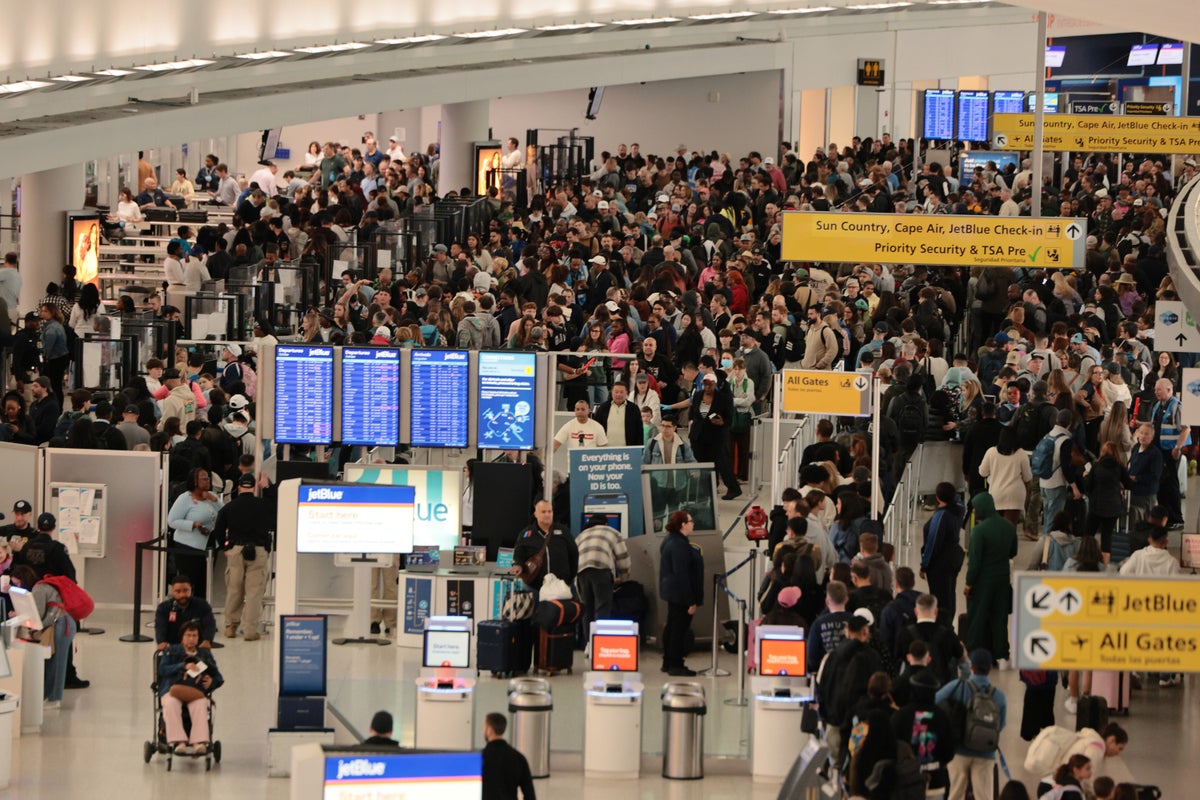
You’ve seen the lines. They snake past the kiosks, out the terminal doors, and onto the hot pavement of the departure curb. In March 2026, air travel in the United States hit a wall. For over 40 days, the Department of Homeland Security sat in a funding deadlock, leaving more than 60,000 TSA officers to work without a dime in their bank accounts.
When people don't get paid, they don't show up. It’s that simple. At major hubs like Houston and Philly, call-out rates hit 50%. Travelers faced four-hour waits. Some missed flights because the security line was longer than the flight itself. On March 27, 2026, an executive order finally directed the government to pay these officers immediately. But if you think your two-hour arrival window is safe again, you’re mistaken.
The Paycheck Timeline and Why It Isn't Instant
The White House says money is moving, but the "immediate" nature of a federal pay cycle is a bit of a myth. Secretary of Homeland Security Markwayne Mullin indicated that officers should start seeing their back pay and current wages as early as Monday, March 30. For many, this is the first full paycheck since Valentine's Day.
Don't expect the lines to vanish by Tuesday morning. Thousands of officers have been living on the edge, selling plasma or taking out high-interest loans just to get to work. Some have already quit—over 480 resigned during this most recent lapse. Rebuilding a workforce that feels betrayed takes more than one direct deposit.
The Staffing Scar Tissue
The real problem isn't just the current schedule. It's the "call-out" culture that develops when morale hits zero. Even with pay resuming, the TSA is operating at a deficit.
- Training Lag: It takes four to six months to fully train a new TSA officer. You can't just hire a replacement for the people who quit last week and have them on the floor by the weekend.
- The World Cup Factor: With the FIFA World Cup matches starting in June 2026, the TSA is bracing for an extra 10 million passengers. We're already behind on staffing for the biggest sporting event in the world.
- ICE Backfill: The government deployed ICE agents to 14 major airports to help with security. While they fill a gap, they aren't TSA-trained for specific checkpoint nuances. Their presence is a band-aid, not a cure.
Wait Times by the Numbers
If you're flying out of a tier-one hub, your experience is going to vary wildly.
- Houston (IAH): Reported 4.5-hour waits during the peak of the shutdown. Even with pay returning, expect 2+ hours through early April.
- Philadelphia (PHL): Mass call-outs led to "madhouse" conditions where checkpoints closed entirely.
- Atlanta (ATL): Always a gamble, but currently seeing unpredictable surges as staffing fluctuates.
What This Means for Your Spring Travel
Honestly, the "arrive two hours early" rule is dead for 2026. If you're flying domestic, give it three. If you're going international, four is the new minimum.
Staffing levels are "fluid," which is government-speak for "we don't know who’s showing up today." Checkpoint lanes are being consolidated. This means even if the airport looks empty, you might be funneled into a single lane that moves at a glacial pace.
Don't Count on PreCheck
During the height of the shutdown, some airports actually suspended PreCheck and CLEAR lanes because they didn't have enough staff to run them. While those should reopen as pay hits bank accounts, they’re the first thing to get cut when a shift is short-handed. Never assume your "fast pass" will be operational.
Practical Steps for Your Next Flight
The system is fragile. To get through without losing your mind, you need a plan that doesn't rely on the TSA being 100% functional.
- Monitor Live Data: Don't just trust the TSA app; it hasn't been updated reliably during the crisis. Check the specific airport’s website and their official X (Twitter) feed. They often post manual updates when lines hit the three-hour mark.
- Lighten the Load: The fewer bags you have to pull out and scan, the faster you move. If you can do a "personal item only" trip, do it. Every bin you don't use is a minute saved.
- Check-In From the Curb: If you have bags to check, some airports are seeing massive delays just at the ticket counter. Use curbside check-in if it’s available. It’s worth the $5 tip to skip a 45-minute line inside.
- Confirm the Checkpoint: Large airports like IAH have moved international airlines to different terminals to consolidate security. Check your terminal status before you let the Uber drop you off.
The money is finally flowing to the people keeping the planes safe. That's a huge win for national security, but it’s only the first step in a long recovery for the aviation industry.
Check your flight status and terminal maps at least six hours before departure. If your airport is reporting waits over three hours, consider rebooking for a mid-week flight when volume is lower and staffing is more predictable.


