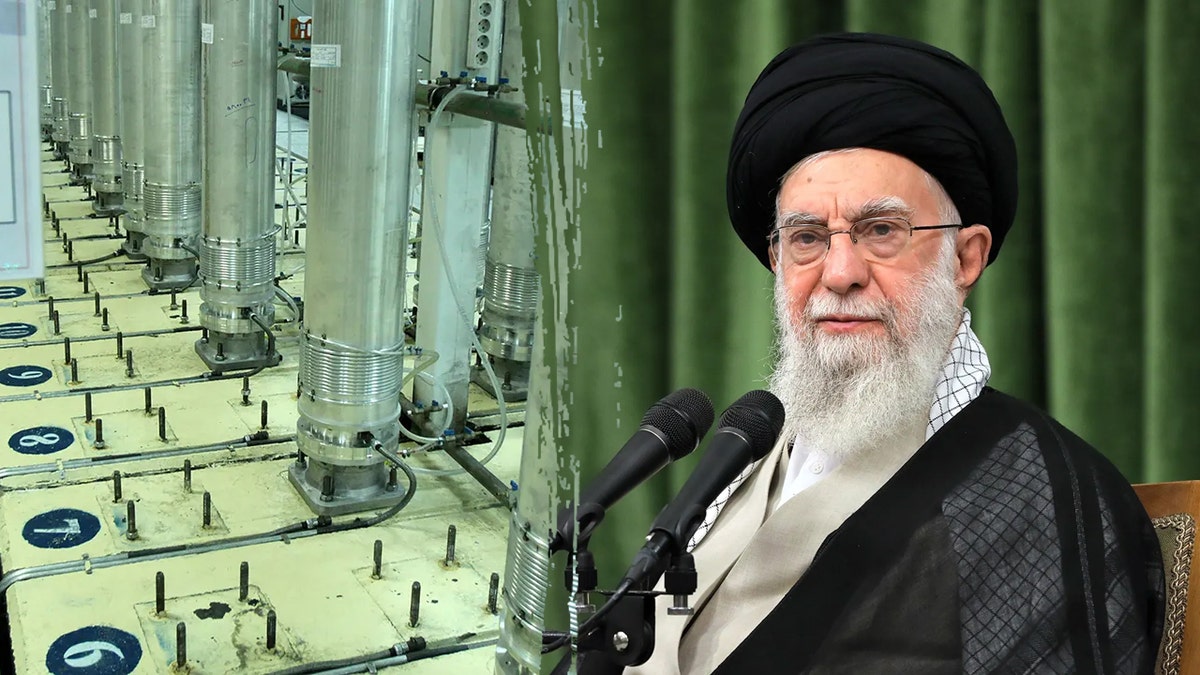
Forget the soaring rhetoric about nuclear non-proliferation or spreading democracy. When you strip away the teleprompter speeches, the 2026 military campaign against Iran looks like a classic resource play. It’s not a conspiracy theory; it’s a strategy hidden in plain sight. In March 2026, Jarrod Agen, a top official on Trump’s National Energy Dominance Council, basically said the quiet part out loud. He told Fox Business that the goal is to get Iran's massive oil reserves "out of the hands of terrorists."
But "getting them out of their hands" usually means putting them into someone else’s. Specifically, into a system where they can’t challenge the U.S. dollar. If you’re wondering why your gas prices just jumped 20% in two weeks, you’re looking at the short-term cost of a very long-term gamble for global energy control. You might also find this related coverage useful: Strategic Asymmetry and the Kinetic Deconstruction of Iranian Integrated Air Defense.
The 208 Billion Barrel Prize
Iran isn’t just another Middle Eastern country with a few wells. It sits on roughly 208 billion barrels of crude oil. That’s one of the largest piles of "black gold" on the planet. For a Trump administration that views energy as the ultimate form of national power—a doctrine they call Energy Dominance—having that much oil controlled by an adversary is an intolerable glitch in the system.
During his first term, Trump used "maximum pressure" to choke Iran’s economy. It worked, mostly. Iranian exports plummeted. But by 2025 and 2026, Iran found ways to survive. They built a "shadow fleet" of tankers and started selling heavily to China using the yuan instead of the dollar. This is where the "oil logic" gets serious. As discussed in recent coverage by NBC News, the implications are worth noting.
The Petrodollar Trap
The real threat isn't just that Iran has oil; it’s how they sell it. Since the 1970s, the world has operated on the petrodollar system. You want oil? You buy dollars first. This creates a perpetual, global demand for the U.S. currency, giving Washington "exorbitant privilege."
When Iran starts accepting Chinese yuan or Russian barters for its 1.5 million barrels a day, they aren't just selling fuel. They're attacking the dollar’s monopoly. We’ve seen this movie before. Iraq moved to the Euro in 2000; Libya’s Gaddafi wanted a gold-backed dinar. Neither regime survived the decade. Trump’s current campaign is the latest chapter in defending this currency-oil nexus. If Iran falls and a "pro-Western" government takes over, those 208 billion barrels go back into the dollar column.
Shale Power vs. Global Reality
There’s a common myth that because the U.S. produces over 13 million barrels a day, we’re "energy independent" and immune to Middle East chaos. That’s a total lie.
We might produce more than Russia or Saudi Arabia, but oil is a global commodity. When the Strait of Hormuz—the narrow chokepoint where 20% of the world’s oil flows—gets shaky, prices spike everywhere. It doesn't matter if the oil was pumped in West Texas or Tehran.
- Price Spikes: In the first week of March 2026, U.S. gas prices jumped nearly $0.50.
- Diesel Crisis: Diesel surged past $5.00 a gallon, hitting levels not seen since the 2022 Ukraine shock.
- The SPR Gamble: Trump released 172 million barrels from the Strategic Petroleum Reserve (SPR) to stop the bleeding, but it's a band-aid on a bullet wound.
The administration’s logic is that short-term pain at the pump is worth the long-term gain of breaking Iran. They’re betting that American voters will trade expensive gas today for "total dominance" tomorrow. It's a risky bet with an election looming.
Targeting the China Connection
You can't talk about the oil logic without talking about Beijing. China is the world's largest oil importer and Iran's best customer. By launching a campaign that effectively blockades Iranian exports, the U.S. isn't just hurting Tehran; it's cutting off China's cheap energy supply.
Some analysts, like Ross Babbage, argue this is a "master strategist" move. If the U.S. installs a surrogate regime in Tehran, China loses its most reliable, non-Western energy partner. In a future conflict—say, over Taiwan—that’s a massive lever for Washington.
The High Cost of Dominance
While the White House predicts prices will "drop like a rock" once the regime falls, the markets aren't so sure. History shows that war-torn oil fields don't just "switch back on" overnight. Iraq’s production took years to stabilize after 2003.
The current conflict has already damaged infrastructure like the Rumaila field in Iraq and LNG complexes in Qatar. We aren't just looking at a dip in Iranian supply; we're looking at a regional contagion that threatens the entire Gulf.
What You Should Do Now
If you’re a consumer or an investor, don't wait for the "mission accomplished" speech to protect yourself.
- Expect Sticky Inflation: Energy is the "input of all inputs." High diesel prices mean higher grocery prices in three months. Adjust your budget now.
- Watch the Dollar: If Trump successfully re-dollarizes Iranian oil, the USD will likely stay stronger for longer, despite his calls for lower interest rates.
- Diversify Energy Exposure: If you're invested in traditional energy, look for companies with heavy domestic U.S. footprints that aren't reliant on Middle Eastern transit.
The "oil logic" tells us this isn't a war about morals or nuclear physics. It’s a war about who controls the primary fuel of the 21st century and the currency used to buy it. Whether that’s worth $5.00 a gallon is a question you’ll have to answer at the ballot box.
Keep a close eye on the shipping insurance rates in the Strait of Hormuz. When private insurers like Chubb stop covering tankers, or the U.S. Navy starts escorting them, you’ll know the "short-term pain" is about to get a lot more permanent.