The Sentimentality Trap
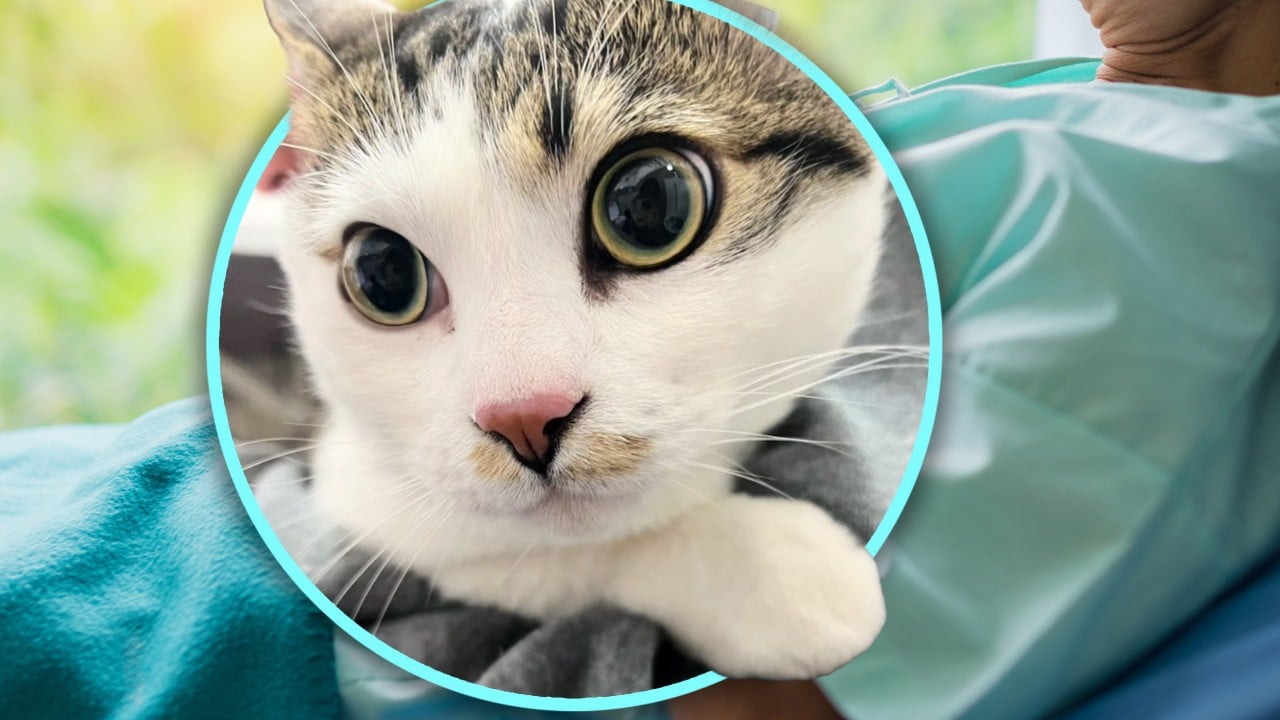
You saw the headline. You probably shared it. An elderly woman in China, facing a high-stakes surgery, leaves her cat at a pet shop with a heart-wrenching note and a stack of cash. The internet collectively wept. The shop owner was hailed as a hero. The act was framed as a final, desperate gesture of love.
It wasn't. It was a failure of the system and a masterclass in emotional manipulation that obscures a much grimmer reality.
When we celebrate these stories, we validate a "dump and pray" model of animal welfare. We turn a breach of responsibility into a folk hero's journey. I have spent a decade in the trenches of urban animal rescue and domestic policy, and I can tell you exactly what happens when the cameras aren't rolling: the cash runs out in three weeks, the pet shop owner realizes they aren't a sanctuary, and the "touching note" ends up in a landfill while the cat ends up in a high-kill facility.
The viral narrative is a sedative. It makes us feel good about a situation that is fundamentally broken.
The Myth of the "Responsible" Abandonment
The competitor's take on this story leans heavily on the "noble sacrifice" trope. They argue that because money was left behind, the owner fulfilled her duty. This is a dangerous fallacy. Leaving a living creature at a place of business without a legal transfer of ownership isn't "finding a solution." It’s a liability hand-off.
Let’s look at the logistics. In most jurisdictions, including the rapidly evolving legal frameworks in Tier 1 Chinese cities, an animal left at a shop is legally "abandoned property." The shop owner has no legal mandate to keep it. They have no medical history for the animal. They have no "End of Life" instructions.
By framing this as a "touching" event, we encourage others to do the same. Imagine a scenario where every person facing a medical crisis or financial hardship decides to leave their pet at the nearest retail outlet with $200 and a poem. The entire pet services industry would collapse under the weight of unsolicited "gifts" within a month.
The Cost of Sentiment vs. The Cost of Care
People love to talk about the "cash" left with the cat. They rarely talk about the math. A senior cat, especially one coming from a household where the owner is too ill to provide care, often carries undiagnosed issues:
- Chronic Kidney Disease (CKD): Standard in aging felines. Monthly management? $150–$300.
- Dental Disease: A professional cleaning and extractions? $800 minimum.
- Emergency Boarding: Retail rates are roughly $30–$50 per night.
That "generous" stack of cash mentioned in the viral reports? It’s a down payment on a month of survival, not a life insurance policy. When we romanticize the cash, we ignore the fact that the owner essentially outsourced the hardest part of pet ownership—the goodbye—to a stranger for the price of a mid-range smartphone.
The Pet Shop Owner is Not Your Safety Net
The shop owner in this story is being treated like a saint. In reality, he’s been put in an impossible position by a viral news cycle. If he gives the cat away, he’s a villain. If he keeps it, he’s absorbing a decade of financial and emotional labor he never signed up for.
I’ve seen dozens of small business owners crushed by this "hero" Narrative. They start by taking in one "note" cat. Then three. Then ten. Suddenly, they aren't a pet shop anymore; they’re an unlicensed, unfunded shelter. Their paying customers leave because the shop smells like a colony, and their business fails.
True expertise in animal welfare isn't about the individual save; it's about the infrastructure of care. If we actually cared about the elderly woman in this story, the conversation wouldn't be about the cat at all. It would be about the total lack of social support systems that forced her to choose between her surgery and her companion. We are cheering for a symptom while the disease kills the patient.
The Counter-Intuitive Truth: We Need More Friction, Not Less
The status quo says: "Make it easy for people to do the right thing."
I say: "Make it harder for people to do the wrong thing under the guise of 'heartfelt' gestures."
We need to stop rewarding abandonment-by-proxy. If you want to solve the problem of pets left behind by the elderly or the ill, you don't build more "hero" narratives for pet shop owners. You build:
- Pet Trusts: Legal frameworks that treat animals as beneficiaries, not property.
- Foster Networks for the Elderly: Programs like 'The Cinnamon Trust' in the UK, which provide volunteers to walk dogs and help with vet visits so the "dump" never has to happen.
- Mandatory Microchipping with Emergency Contacts: If that cat was chipped to a secondary guardian, the pet shop owner wouldn't be a hero; he'd be a phone call away from a legal handover.
The Ethics of the "Viral Rescue"
There is a dark side to the media coverage of these events. News outlets love these stories because they are "cheap" content. They require zero investigative depth. They just need a photo of a sad cat and a translation of a note.
But what is the cost of that 24-hour news cycle? It creates a "copycat" effect. For every one cat that gets "saved" by a viral post, a hundred more are left in boxes behind grocery stores because the owners think, "Someone will find them and it'll be a beautiful story."
It rarely is. Usually, the box isn't found in time. Or the "hero" who finds it doesn't have a TikTok following and just calls animal control.
The Problem with "People Also Ask"
When you search for this topic, the algorithms feed you questions like: "How can I help my pet if I go into surgery?" or "What should I write in a note if I have to give up my cat?"
The answer isn't "Write a touching note." The answer is "Get your house in order."
- Appoint a legal guardian. Not a verbal agreement. A signed document.
- Pre-fund the care. If you have the cash to leave in a box, you have the cash to put in a dedicated account for the animal’s future.
- Consult a professional rehoming agency. Pet shops sell kibble and squeaky toys. They are not social workers for animals.
The Downside of This Perspective
I know how this sounds. It sounds cold. It sounds like I'm attacking a sick woman who just wanted her cat to be safe.
Admittedly, the "cold" approach lacks the warm-and-fuzzy dopamine hit of a viral video. It requires us to look at the uncomfortable reality of aging and the limitations of our current animal welfare laws. It requires us to admit that a "touching note" is actually a cry for help that the community ignored until it was too late.
But if we keep rewarding the "dump and pray" method, we are ensuring that thousands more animals will suffer in silence, without the benefit of a viral headline to save them.
The Reality Check
Stop looking for heroes in the comment section. The pet shop owner is a businessman who got lucky with a PR opportunity. The elderly woman is a victim of a system that offers no dignified way to transition a pet’s care. The cat is a living being that has been uprooted from everything it knows and left in a noisy retail environment.
There is nothing "touching" about this. It is a tragedy of errors wrapped in a shiny bow of internet sentimentality.
If you truly want to make a difference, stop clicking on "heartwarming" abandonment stories. Start funding the boring, un-viral organizations that provide in-home care for the pets of the elderly. Support legislation that creates "Pet Protection Agreements" in assisted living facilities.
Demand a world where a woman doesn't have to leave her best friend with a stranger and a stack of bills just to go under the knife. Until then, your tears are just a form of self-indulgence that changes nothing.
Stop crying. Start fixing the system.