The threat is no longer a matter of "if" but a calculated "when." On Wednesday, a senior Iranian military official confirmed what Western intelligence has feared since the February 28 outbreak of hostilities: Tehran is prepared to weaponize the Bab el-Mandeb Strait, effectively turning the Red Sea into a dead zone for global commerce. This isn't just about the Persian Gulf anymore. It is a strategic expansion intended to break the back of the global energy market.
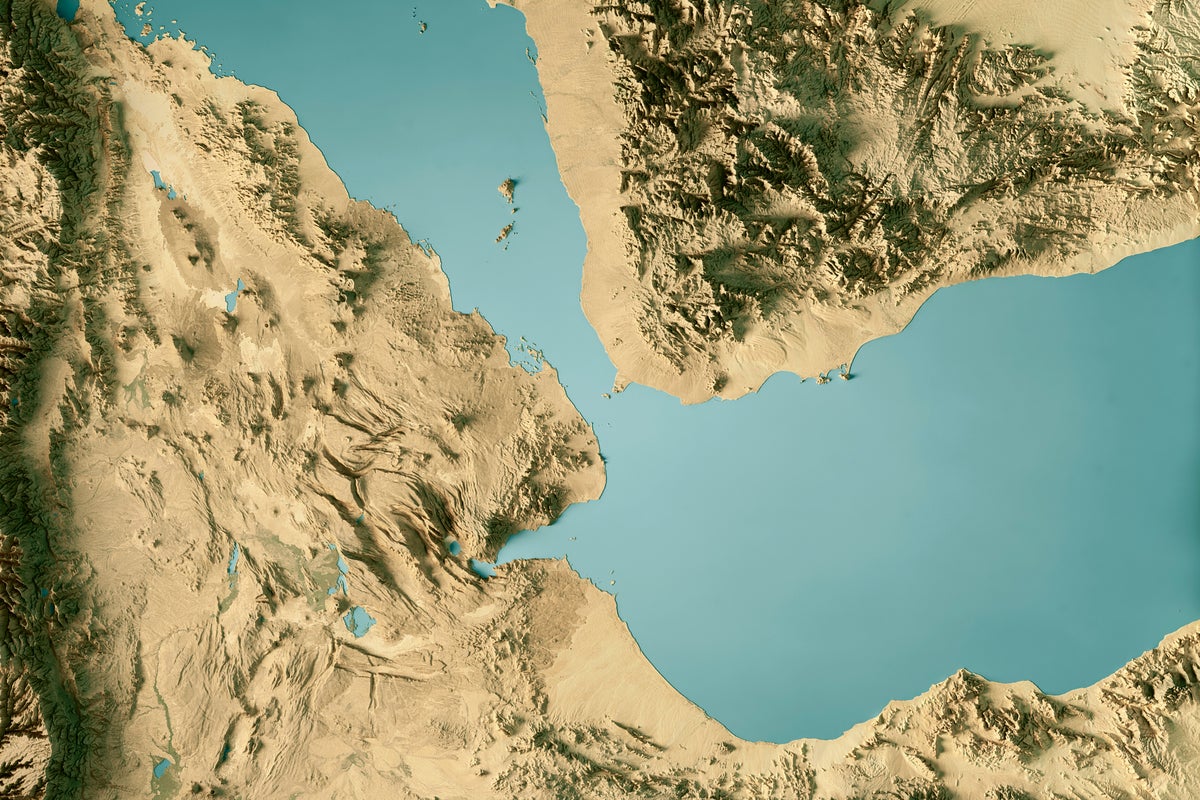
If the Trump administration follows through on its televised flirtations with a ground invasion—specifically targeting the "unprotected" oil hub of Kharg Island—Iran plans to activate its "surprise" fronts. The primary lever is the 18-mile-wide chokepoint between Yemen and Djibouti. By coordinating with the Houthi movement, which has already spent years perfecting asymmetric maritime warfare, Tehran can shutter the two most vital energy arteries on the planet simultaneously.
The Two-Strait Death Grip
For decades, the Strait of Hormuz was considered the only "kill switch" for the global economy. It remains paralyzed today, with traffic down 90% since the war began and nearly 20% of the world's oil supply trapped behind a wall of Iranian shore-to-ship missiles and floating mines. However, the Bab el-Mandeb is the back door.
Closing the Bab el-Mandeb doesn't just stop oil; it severs the Suez Canal. This forces every major shipping line to abandon the Mediterranean route and commit to the 10-day detour around the Cape of Good Hope. We are looking at a permanent 30% increase in global shipping costs overnight.
Why Conventional Naval Power is Failing
The Pentagon's "Operation Epic Fury" was designed to degrade Iranian infrastructure through air superiority. Yet, maritime reality is proving more stubborn than the mission briefings suggest. Naval dominance in 2026 isn't about who has the biggest carrier; it is about who can afford to lose the cheapest drone.
- Asymmetric Saturation: Iran and its Houthi allies are utilizing loitering munitions and generative AI-guided drone swarms. These assets cost a fraction of the $2 million interceptor missiles used by the U.S. Navy.
- GPS Jamming and "Dark Vessels": Tehran has successfully deployed widespread electronic warfare that scrambles AIS (Automatic Identification System) signals. This turns the Red Sea into a navigational nightmare where civilian tankers cannot distinguish between a friendly patrol and a hostile fast-attack craft.
- The Insurance Factor: Even if the U.S. Navy claims a route is "secure," the London insurance markets disagree. Hull and machinery premiums for Red Sea transits have reached "catastrophic" levels, rendering most commercial voyages economically impossible regardless of military escort.
The Ground Invasion Gamble
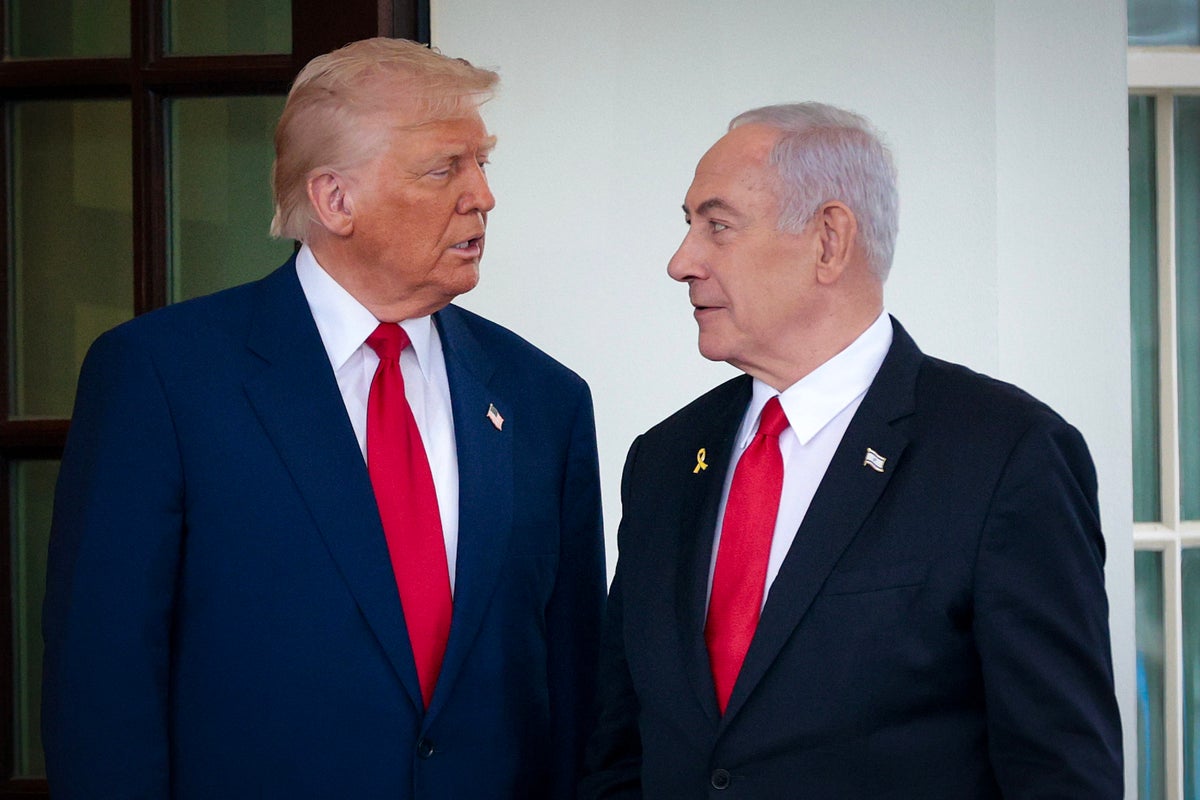
The catalyst for this expansion is the looming threat of U.S. boots on Iranian soil. President Trump has characterized Kharg Island as a "little oil island" that is "totally unprotected," signaling a potential "seize and hold" strategy to decapitate Iran’s export capacity.
The Iranian response, channeled through the Tasnim news agency, is a doctrine of total regional sabotage. If U.S. Marines land on Iranian islands, the "Other Fronts" policy dictates that every chokepoint within reach of an Iranian-made missile becomes a legitimate target. This includes not just the straits, but the desalination plants and energy grids of any regional neighbor providing logistical support to the U.S. military.
The New Maritime Gatekeepers
In a move that reeks of desperation and brilliance, the new Iranian leadership under Mojtaba Khamenei has introduced a tiered transit system. While Western-affiliated vessels are targeted, Iran has signaled that Chinese and Russian tankers may receive "safe passage" through the chaos.
This has birthed a bizarre phenomenon: "Dark" tankers are now spoofing their identities, broadcasting "CHINA OWNER_ALL CREW" on their transponders in a frantic attempt to avoid being the next victim of a loitering munition. It is a total breakdown of international maritime law, replaced by a transactional security model where safety is bought through political alignment rather than protected by the freedom of the seas.
The Infrastructure Ultimatum
The stakes shifted on Sunday when the White House issued a 48-hour deadline for the reopening of the Strait of Hormuz. The threat was explicit: the U.S. will begin destroying Iranian power plants, "starting with the biggest one first."
Tehran’s counter-threat was equally grim. If their power plants go dark, they will ensure the entire Gulf goes thirsty. By targeting the massive desalination plants in the United Arab Emirates and Saudi Arabia, Iran is holding the region's drinking water hostage. This is no longer a localized conflict over enriched uranium; it is a war against the basic requirements for human life in the Middle East.
The transition from a naval blockade to a comprehensive regional infrastructure war is almost complete. The U.S. Central Command insists the campaign is "on plan," but the plan never accounted for a world where the two most important straits on Earth are closed at the same time.
Global logistics has relied on the predictability of these waterways for a century. That era is over. Whether or not a single U.S. soldier sets foot on Kharg Island, the mere threat has been enough to rewrite the rules of the ocean. The Red Sea is no longer a highway; it is a minefield where the price of entry is the stability of the global economy.
Would you like me to analyze the specific economic impact of a dual-strait closure on European fuel prices?