The headlines are screaming about a regional divorce. Qatar boots Iranian attaches. Ras Laffan takes a hit. The "analysts" are busy counting charred pipes and drafting eulogies for the North Field expansion. They are looking at the smoke. They should be looking at the ledger.
If you believe the standard narrative—that this is a simple story of Iranian aggression and Qatari retaliation—you are being fed a curated script. Most commentators treat the expulsion of diplomats as a "breaking point" in a fragile alliance. I have spent two decades watching energy infrastructure security, and I can tell you: nations do not blow up their own shared piggy banks over a border spat.
The idea that Tehran would intentionally decapitate the very facility that keeps the regional gas market liquid is a fundamental misunderstanding of how the Persian Gulf actually functions. Ras Laffan isn't just a Qatari asset; it is the physical manifestation of a symbiotic, if toxic, relationship between Doha and Tehran.
The Damage Deception
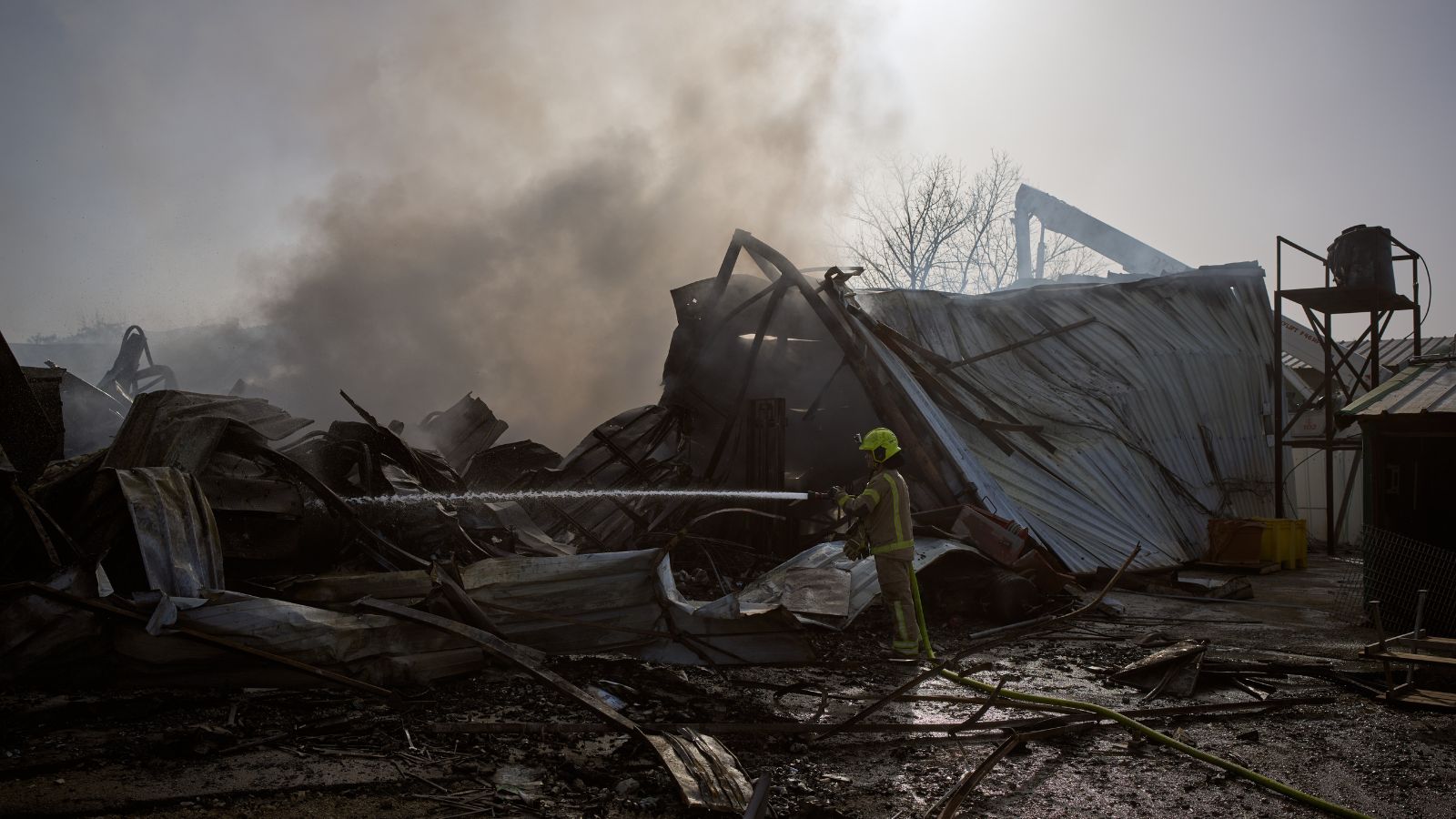
First, let’s address the "significant damage" at Ras Laffan. In the world of Liquified Natural Gas (LNG), "significant" is a flexible term used to manipulate spot prices. If a missile actually compromised the structural integrity of a major train at Ras Laffan, we wouldn't be reading about diplomat expulsions. We would be seeing a global energy shock that makes the 2022 European crisis look like a minor supply hiccup.
The Qatari energy ministry is elite. They operate with a level of redundancy that most Western firms can only dream of. I have walked through these facilities. You don't take down Ras Laffan with a stray strike. You take it down with a sustained, multi-vector campaign.
The current "damage" is a convenient political instrument. By inflating the severity of the strike, Qatar gains the moral high ground to perform a public cleansing of its Iranian ties. This isn't a reaction to a military failure; it’s a calculated pivot toward Western security guarantees while the North Field East and North Field South projects are still in their capital-intensive phases.
Why the Persona Non Grata Label is a Smoke Screen
Expelling attaches is the oldest trick in the diplomatic handbook. It provides the appearance of "doing something" without actually doing anything that hurts the bottom line.
- The Illusion of Conflict: By declaring these individuals persona non grata, Qatar signals to Washington and London that it is a "responsible stakeholder."
- The Backdoor Stays Open: Notice what hasn't happened. The joint management of the South Pars/North Dome field—the largest gas field in the world—remains untouched.
- The Shell Game: Doha is purging the visible Iranian presence to protect the invisible Iranian cooperation.
I’ve seen this play before. When a company wants to hide a massive internal failure, they fire the most visible, least essential manager. Qatar is firing the attaches to save the joint venture.
The Physics of the North Field
Let’s talk about the actual engineering. The North Dome (Qatar) and South Pars (Iran) are the same geological structure.
$$P_1V_1 = P_2V_2$$
The pressure dynamics of the field dictate that if one side stops pumping, the other side gets a massive windfall. If Iran truly wanted to destroy Qatar’s leverage, they wouldn't hit the processing plant at Ras Laffan. They would sabotage the subsea infrastructure or the wellheads. Hitting the surface tanks at Ras Laffan is a performance. It’s loud, it creates great satellite imagery for CNN, and it’s remarkably easy to repair.
The "experts" claiming this is the end of the Iran-Qatar era don't understand the pressure gradients of the world's most valuable gas pocket. You cannot divorce your neighbor when you share the same straw in the same milkshake.
The Myth of the "Vulnerable" LNG Supply Chain
The competitor's piece suggests that this strike proves the vulnerability of global LNG. That is a lazy consensus. In reality, the Ras Laffan strike proves the resilience of the market.
Look at the numbers. Did the tankers stop moving? No. Did the long-term contracts with Sinopec or Shell trigger force majeure? No. The market priced in the risk within four hours and then moved on. The real threat to LNG isn't a missile; it’s the transition to modular nuclear and the logistical nightmare of the Suez Canal. A few charred storage tanks in Qatar are a rounding error in the annual maintenance budget of QatarEnergy.
The "People Also Ask" Fallacy
People are asking: "Is Qatar going to war with Iran?"
The answer is no. People are asking: "Will gas prices double?"
The answer is no.
People are asking the wrong questions because they are focused on the "who" instead of the "how." The question you should be asking is: Who benefits from a temporary, controlled escalation in the Gulf?
- The U.S. Defense Industry: Every time a "strike" occurs, the sales pitch for more advanced integrated air and missile defense systems writes itself.
- The Spot Market Traders: Volatility is a gift. A "significant" strike that doesn't actually stop production is a goldmine for those holding short-term positions.
- The Qatari PR Machine: It allows them to shed the "Iran-adjacent" label that has dogged them since the 2017 blockade.
The High Cost of the Contrarian Truth
There is a downside to this perspective. If we accept that this is a staged or exaggerated escalation, we have to admit that our "intelligence" on regional stability is often just theater. It means that the risks we are told to fear are often distractions from the risks we should actually worry about—like the weaponization of cyber-physical systems that could shut down Ras Laffan without a single explosion.
I’ve seen millions wasted on physical hardening of sites while the digital backdoors are left wide open. This missile strike is a 20th-century solution to a 21st-century PR problem.
Stop Watching the Missiles
The competitor article wants you to feel fear. It wants you to think the world is on the brink of a massive energy shortage because of a few expelled diplomats and some smoke over the desert.
The reality is colder. This is a repositioning. Qatar is clearing its house of Iranian guests because the rent is no longer worth the headache, and they need a clean slate to sign the next fifty years of Western energy dominance.
If you want to know what’s really happening, stop looking at the burnt metal at Ras Laffan. Watch the shipping lanes. Watch the insurance premiums for the Q-Max tankers. If those don't move, nothing has changed.
The attaches are gone. The gas is still flowing. The game remains the same.
Order a full forensic audit of the Ras Laffan "damage" reports versus the actual export logs from the last 72 hours.