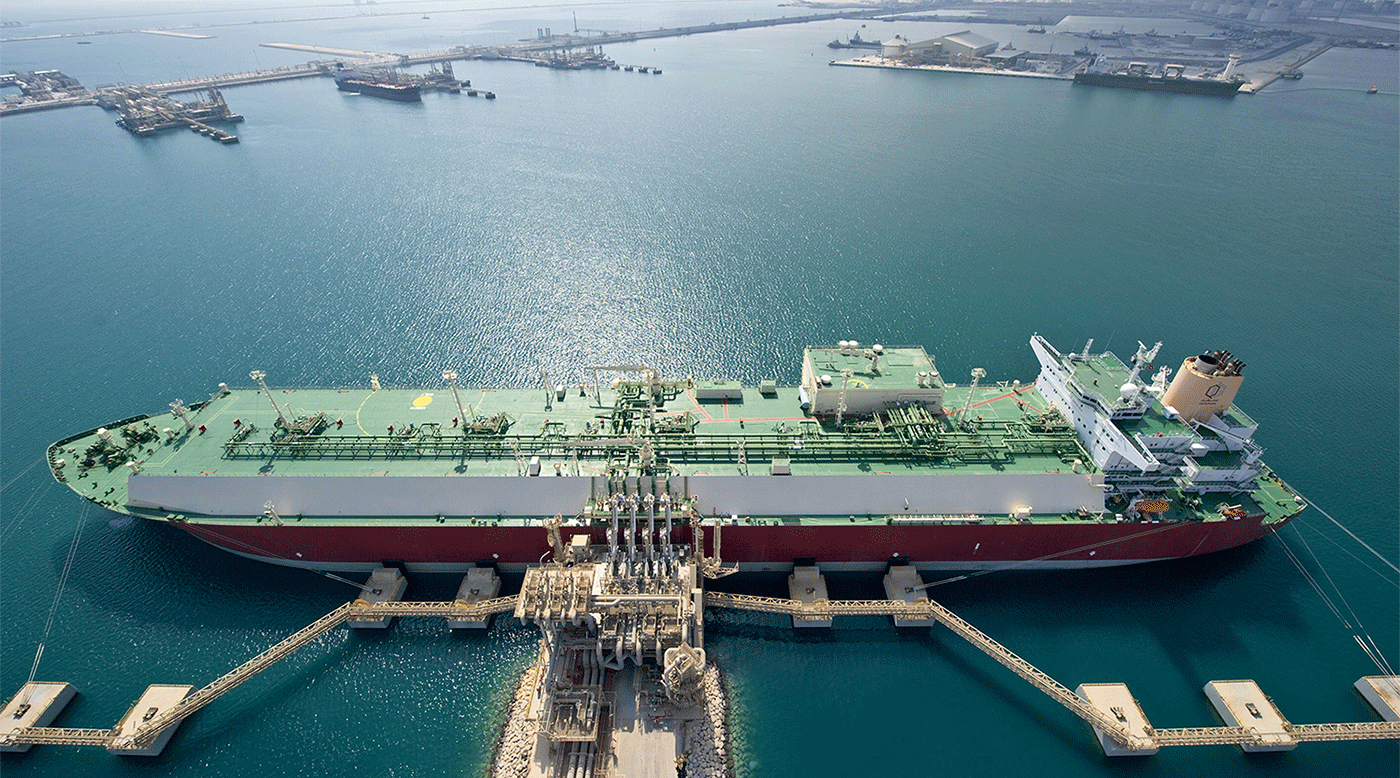
If you thought the energy crisis of the last few years was a headache, buckle up. The recent missile strikes on Qatar’s Ras Laffan Industrial City aren't just another headline about a far-off conflict. They're a direct hit to the jugular of the global energy supply. We aren't talking about a minor scuffle here. We're talking about the world’s largest liquefied natural gas (LNG) export hub being set on fire by Iranian missiles.
Early Thursday morning, March 19, 2026, the sky over Qatar didn't just light up from the sunrise. It glowed from massive fires at the Pearl GTL facility and several key LNG processing trains. QatarEnergy has already confirmed "extensive damage." While they’re lucky enough to report no casualties so far, the economic body count is going to be staggering.
The Beating Heart of Global Gas is Bleeding
Ras Laffan isn't just some industrial park. It’s the source of nearly 20% of the world’s LNG. When missiles hit these facilities, the ripples don't stop at the Persian Gulf. They hit the kitchen stoves in London and the factories in Shanghai.
Iran’s Islamic Revolutionary Guard Corps (IRGC) didn't exactly keep this a secret. They warned that they’d target regional energy assets in retaliation for strikes on their own South Pars gas field. They followed through with a vengeance. Qatar’s Interior Ministry and QatarEnergy have both gone on record stating that while civil defense teams have managed to contain some of the blazes, the structural damage is "sizable."
Honestly, the "neutrality" card Qatar has played for years just got shredded. For decades, Doha acted as the middleman, the bridge between Tehran and the West. That bridge is currently on fire. Qatar has already declared the Iranian military and security attachés persona non grata, giving them 24 hours to pack their bags. That’s diplomat-speak for "the friendship is over."
Why This Matters to You Right Now
You might think a strike in the Middle East doesn't affect your daily life, but the math says otherwise.
- Price Shocks: Brent crude already jumped nearly 4%, and European gas benchmarks spiked by 6% within hours of the news.
- Supply Chain Chaos: Qatar has officially declared force majeure on several LNG deliveries. This is a legal "get out of jail free" card that lets them break contracts because of "unforeseeable circumstances."
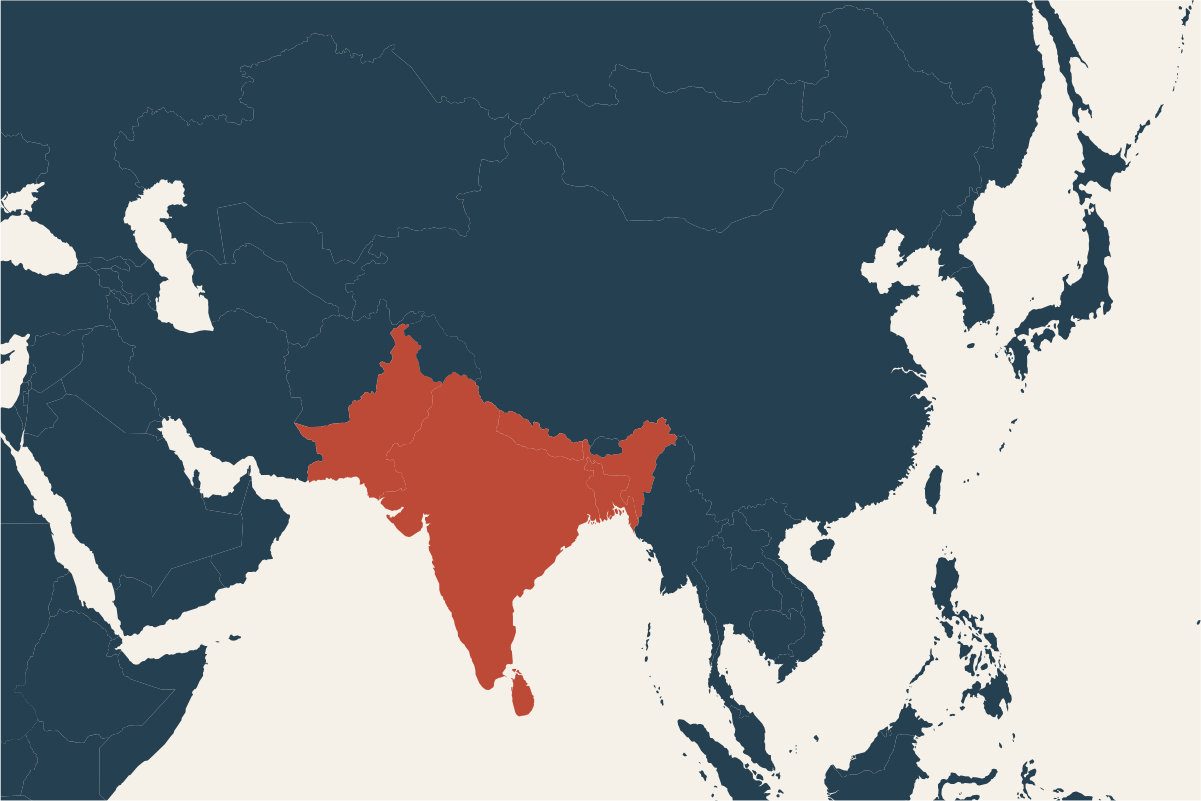
- The India-Europe Connection: Countries like India, which get a massive chunk of their gas from Ras Laffan, are already being told to cut industrial consumption by up to 20%.
The damage at the Pearl GTL (Gas-to-Liquids) plant is particularly nasty. This facility is a technological marvel that turns gas into cleaner-burning fuels. It's complex, expensive, and notoriously difficult to repair. We aren't looking at a few days of downtime. Experts are already whispering about a minimum four-week disruption, and that’s if things don't escalate further.
The Strategy of Sabotage
Iran isn't just throwing a tantrum. This is a calculated move to prove that if their energy infrastructure isn't safe, nobody’s is. By hitting Ras Laffan, they’ve signaled that the entire Gulf is a target. Saudi Arabia’s Samref refinery and the UAE’s Al-Hosn gas field are also on the IRGC's "to-do" list.
Saudi defenses actually intercepted four ballistic missiles over Riyadh and two drones targeting the Eastern Province on the same night. Qatar wasn't as lucky. Their F-15s managed to down two Iranian Su-24 bombers earlier in the month, but this latest missile barrage found its mark.
It’s a grim reality check for regional security. The "United Front" of the GCC (Gulf Cooperation Council) is now more than just a talking point. They’re looking at a scenario where their most valuable assets are sitting ducks for drone and missile swarms.
What Happens to the Markets
Don't expect prices to cool down anytime soon. When you take the world's biggest LNG exporter offline—even partially—the market panics.
- Competition for Cargoes: With Qatari supplies frozen, Europe and Asia will start a bidding war for whatever US or Australian LNG is left on the spot market.
- Inflation Spike: Energy costs drive everything. If gas prices stay 40% higher, your grocery bill is going up next month.
- Storage Fears: Europe is heading into spring, but they need to refill their storage for next winter. Losing Qatari volume now makes that task almost impossible without paying through the nose.
Preparing for the Fallout
This isn't just a "wait and see" situation. If you're running a business that depends on energy-intensive processes, or even if you're just a homeowner looking at your utility bills, the game has changed.
Start by auditing your energy consumption. The price volatility we’re seeing isn't a temporary glitch; it’s the new baseline as long as the Strait of Hormuz remains a flashpoint. Iran has already threatened to close the Strait entirely. If that happens, 21% of global LNG trade vanishes overnight.
Watch the diplomatic cables. If Qatar moves toward a more formal military alignment with the US and Israel in response to this "betrayal," the escalation won't stop at Ras Laffan. Check your local news for energy subsidy updates or "peak-shaving" programs. Governments are going to have to step in to prevent a total economic meltdown, and you’ll want to be first in line for any relief programs they offer.