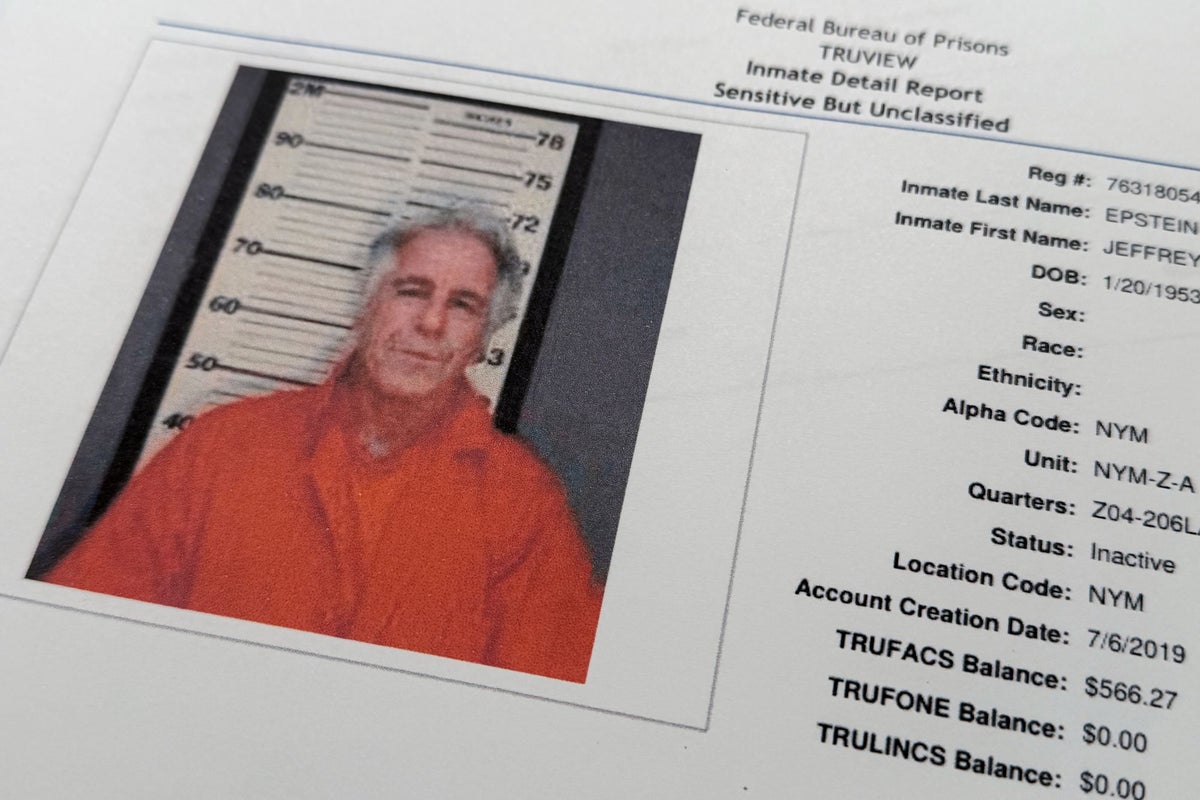
Bank of America has reached a settlement to resolve allegations regarding its relationship with Jeffrey Epstein, a deal that effectively silences a brewing legal battle over the bank's failure to flag suspicious activity linked to the sex trafficker. While the specific dollar amount remains shielded from the public eye for now, the resolution serves as a grim milestone in the financial sector's ongoing reckoning with the "Epstein effect." This settlement isn't just about a single bad actor; it is a confession of systemic blindness that permeated the highest levels of American banking.
For years, the financial industry operated on a "don't ask, don't tell" policy regarding high-net-worth individuals, even when those individuals were registered sex offenders. Bank of America’s move to settle is a strategic retreat designed to prevent a discovery process that would likely have unearthed internal emails, compliance overrides, and the uncomfortable reality of how "red flags" are often ignored when the client's balance sheet is large enough. You might also find this related article useful: Why Trump is Right About Tech Power Bills but Wrong About Why.
The Mechanics of Institutional Blindness
Banks are legally required to file Suspicious Activity Reports (SARs) when they detect transactions that don't make sense or hint at criminal enterprise. In the case of Jeffrey Epstein, the breadcrumbs weren't just visible; they were glowing. We are talking about massive cash withdrawals, payments to numerous young women, and transfers to offshore entities that served no legitimate business purpose.
The problem wasn't a lack of data. The problem was the human element of "relationship management." In the world of private banking, a client like Epstein is a trophy. He brought in other wealthy individuals, created a halo of prestige, and generated significant fees. When a compliance officer raises a flag on a "whale," they aren't just questioning a transaction. They are questioning the judgment of the senior executives who brought that client into the fold. As discussed in detailed coverage by The Economist, the effects are worth noting.
This creates a culture of suppression.
When a junior analyst sees a series of $9,000 withdrawals—just under the $10,000 reporting threshold—they know it looks like "structuring." But if that client is a friend of the CEO, that analyst thinks twice before hitting the "submit" button on a SAR. This settlement proves that the cost of doing business eventually includes the cost of a legal exit strategy.
Beyond the Settlement Figures
The public often focuses on the fine, but the real story is in the policy changes. Or the lack thereof. While Bank of America will point to "enhanced vetting procedures" and "redefined compliance protocols," these are often just PR-friendly terms for software updates. The fundamental flaw remains: the tension between the profit motive and the policing role the government has forced upon private banks.
The Problem of Private Banking
Private banking divisions operate as a "bank within a bank." They provide a level of concierge service that inherently conflicts with the detached, skeptical eye required for effective Anti-Money Laundering (AML) oversight. When you are paid to make a client's life easy, you are less likely to ask why they are wiring $50,000 to a shell company in the Virgin Islands.
The Regulatory Gap
Regulators have been playing catch-up for a decade. The Epstein case exposed that even after his 2008 conviction in Florida, major institutions continued to handle his money. This wasn't a failure of technology. It was a failure of will. The settlement allows the bank to avoid a public trial where witnesses could have detailed exactly who authorized the continuation of the Epstein relationship and why the internal warnings were silenced.
The Ripple Effect Across Wall Street
Bank of America is not the first, nor will it be the last, to pay for its proximity to Epstein. We saw JPMorgan Chase pay $290 million to victims and $75 million to the U.S. Virgin Islands. Deutsche Bank paid $75 million to settle a similar lawsuit. The pattern is clear: pay the fine, sign the non-disclosure agreement, and move on.
However, the cumulative damage to the "Know Your Customer" (KYC) doctrine is immense. If the wealthiest clients can bypass the scrutiny that a small business owner faces when opening a checking account, the entire moral authority of the financial system erodes.
The industry likes to talk about "risk-based approaches." In practice, this often means that if the profit outweighs the potential fine, the risk is deemed acceptable. The Epstein settlements are now being factored into the cost-benefit analysis of every major compliance department. They aren't looking at how to stop the next Epstein; they are looking at how much they need to set aside in their legal reserves to handle the eventual fallout.
The Myth of Total Oversight
It is a common misconception that banks see everything. They don't. They see what they choose to look at. The tools for detection exist, and the algorithms are more sophisticated than ever. The failure is always at the point of intervention.
When a bank settles, they aren't just buying legal peace. They are buying the right to keep their internal decision-making processes secret. This is why these settlements, while providing some measure of financial restitution to victims, feel hollow. They provide no transparency into how the system actually broke down.
What Actually Changes
- Heightened scrutiny on "Politically Exposed Persons" (PEPs): Banks are now terrified of anyone with a high profile and a checkered past.
- De-risking: Some banks are simply closing accounts of high-risk clients rather than trying to monitor them, a move that often pushes illicit activity into even less regulated "shadow banking" sectors.
- Executive Accountability: Or the lack thereof. Notice that in these settlements, rarely does a senior executive lose their job or face personal financial penalties. The shareholders foot the bill.
The Unseen Victims of Compliance Failure
While the lawsuits focus on the direct victims of Epstein’s crimes—and rightly so—there is a secondary victim: the integrity of the global financial market. Money laundering isn't a victimless crime. It is the grease that allows human trafficking, drug smuggling, and terrorism to function. When a bank as large as Bank of America fails to stop a known predator from using its vaults to facilitate his lifestyle, it signals to every other criminal enterprise that the gates are effectively open, provided you have enough keys.
The legal system’s reliance on settlements ensures that we never get the full picture. We get a press release, a redacted court filing, and a promise to do better. But the ledger remains unbalanced.
Bank of America’s settlement closes a chapter, but it doesn't end the story. As long as the incentives for bringing in high-value deposits outweigh the penalties for ignoring their source, the "Epstein model" of banking will persist in the shadows. The next scandal is already sitting in a private banker’s portfolio, waiting for the one compliance officer brave enough to speak up—and the one executive willing to actually listen.
Watch the move of the capital. It tells a story that the lawyers are paid to hide.