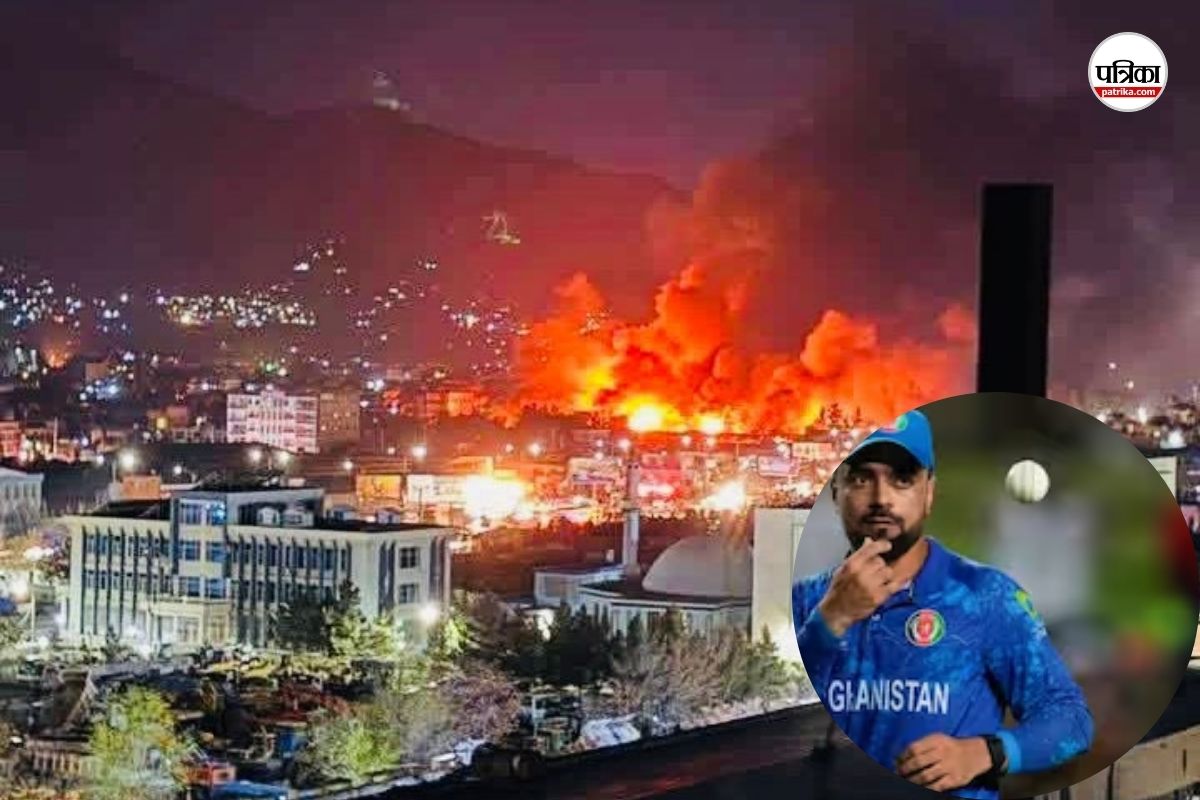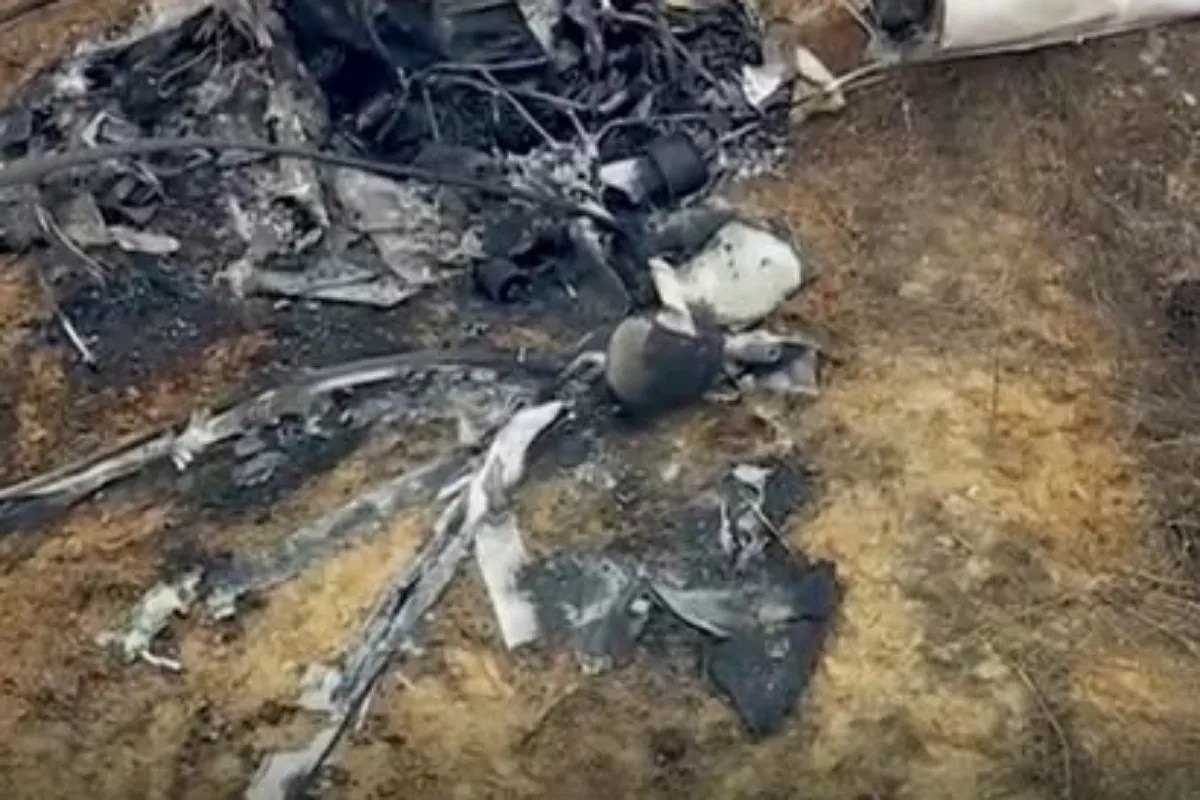
The headlines are predictable. A light aircraft goes down in Ghana, two people die, and the media creates a firestorm of "fireballs" and "tragedy." It’s easy clicks. It’s also intellectually lazy. If you are mourning the "dangerous state of aviation" every time a four-seater hits the dirt, you are missing the forest for a single, charred tree.
Safety isn’t a lack of accidents. Safety is an acceptable level of risk managed through data, not emotion. When a small plane crashes in a place like Ghana, the general public reacts with a primitive fear that has no basis in modern aeronautical reality. We need to stop treating every mechanical failure as a moral failing of the industry and start looking at the cold, hard physics of why these incidents happen—and why they actually prove the system is working.
The Fireball Fallacy
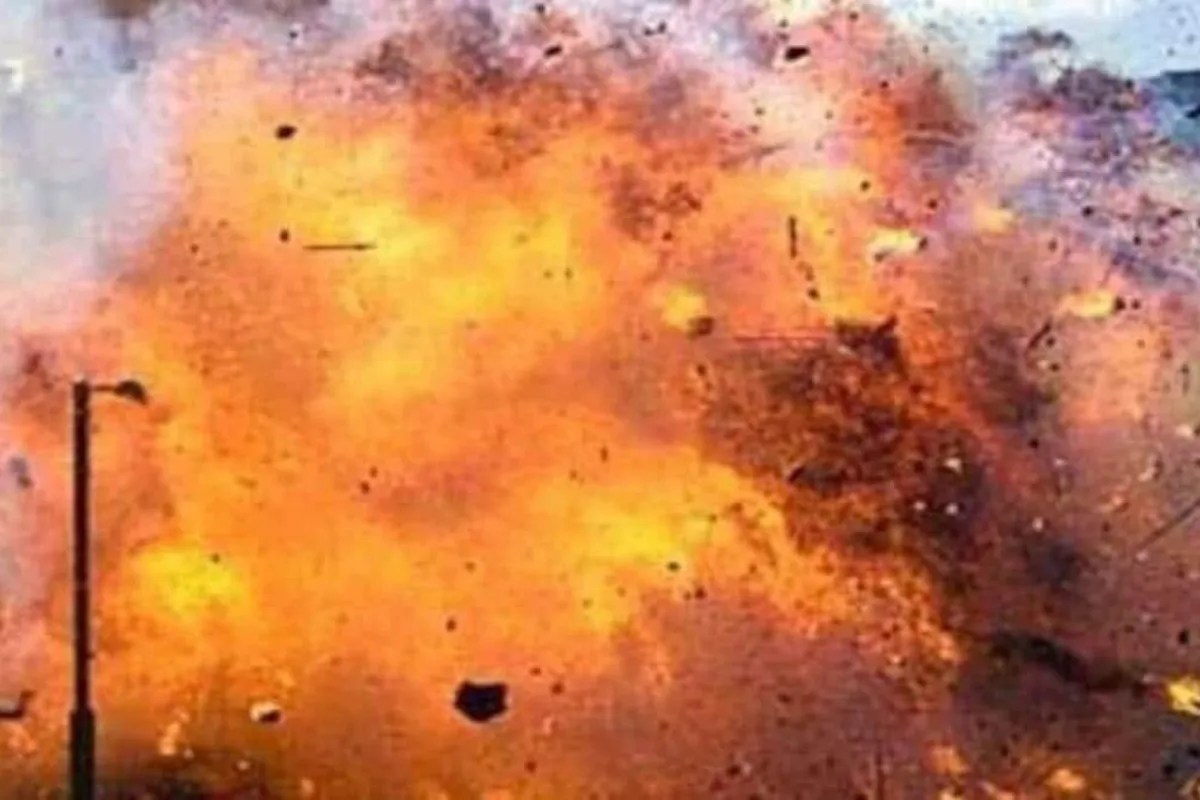
Sensationalist reporting loves the phrase "ball of fire." It sounds catastrophic. In reality, it’s basic chemistry. Small aircraft carry high-octane aviation gasoline (AvGas). When a fuel line ruptures upon impact, that fuel vaporizes and ignites.
Is it tragic? Yes. Is it a systemic failure of global aviation? Absolutely not.
Most people don't realize that General Aviation (GA)—which includes everything from your neighbor's Cessna to private charters in West Africa—operates under an entirely different risk profile than commercial airlines. You cannot compare a Ghana crash to a Delta flight. It’s like comparing a motorcycle to a Volvo. One has a built-in "oops" factor; the other is a redundant fortress.
Ghana Isn't the Problem, Regulation Is
Critics often point to the location—Ghana, Indonesia, the Congo—as if the geography itself is the culprit. That’s a veiled form of bias. The physics of lift and drag don’t change based on GPS coordinates.
The real issue in these regions isn't "bad pilots" or "old planes." It is the Maintenance Gap. I have spent years auditing flight logs in developing markets. The planes aren't falling out of the sky because they are cursed; they are falling because the supply chain for genuine parts is a nightmare.
If a bolt costs $5 in Kansas but takes six weeks and $400 in bribes to reach Accra, some mechanic is going to "make it work" with a local substitute. That isn't an aviation problem. That’s a logistics and corruption problem.
Stop Blaming "Human Error"
The industry's favorite scapegoat is "pilot error." It’s a convenient way to close a file without fixing anything.
Imagine a scenario where a pilot encounters a sudden microburst or a fuel pump failure at 500 feet. If they don't execute a perfect emergency landing in a residential area, we call it "error." That’s a lie. It’s a Systemic Boundary Failure.
We expect humans to be perfect backups for machines that are 40 years old. We don't need "better pilots" in the cockpit of light aircraft; we need better automation that removes the pilot's ability to kill themselves. We have the technology—it's called Garmin Autoland and airframe parachutes—but the "status quo" crowd fights it because it’s "not real flying."
If you want to save lives in Ghana or anywhere else, stop training pilots to be stick-and-rudder heroes and start demanding they be systems managers.
The Brutal Truth About Light Aircraft
Let’s get one thing straight: light aircraft are inherently risky.
- No Redundancy: Most have one engine. If it stops, you are a glider with the aerodynamics of a brick.
- Low Mass: They are tossed around by weather that a Boeing 737 wouldn't even notice.
- Minimal Oversight: Private flights don't have a team of 50 dispatchers and weather analysts watching their every move.
When a crash happens, it is often the culmination of a "Swiss Cheese" model of failure. The holes in the slices of cheese lined up. A missed inspection, a slightly distracted pilot, and a gust of wind.
The competitor article you read wants you to feel sad. I want you to be calculated. If we actually cared about these two deaths in Ghana, we wouldn't be writing about the "fireball." We would be screaming about the lack of ADS-B (Automatic Dependent Surveillance-Broadcast) infrastructure in the region that could have tracked the descent and sent rescue teams ten minutes earlier.
Why We Should Let Small Planes Crash
This sounds heartless. It isn't.
Innovation requires a "fail fast" mentality. In the 1950s, aviation was a bloodbath. We learned from every smear on the runway. Today, we have reached a plateau because we are terrified of the PR fallout from small-scale incidents.
By over-regulating light aviation in response to every headline, we make it more expensive. When it becomes more expensive, people skip maintenance. When they skip maintenance, planes crash.
It is a self-fulfilling prophecy of tragedy fueled by "safety" advocates who don't understand the economics of the hangar.
The Actionable Reality
If you are a traveler or an investor looking at these reports, stop looking at the wreckage. Look at the operator's insurance premiums.
In the aviation world, underwriters are the only ones who tell the truth. They don't care about "tragedies"; they care about payouts. If an operator in West Africa can’t get Tier 1 insurance, don’t fly with them.
What the Industry Won't Tell You
- Age is a Number, Not a Death Sentence: A well-maintained 1965 Beechcraft is safer than a poorly maintained 2024 Cirrus. Don't judge a plane by its paint job.
- Training is a Tick-Box: Many pilots in these regions have the hours but not the "complex environment" experience. They are great at flying in circles; they are terrible at losing an engine in a crosswind.
This Isn't an Isolated Incident
This is the end of the line for the "romantic" era of small-scale flight. If we want to stop these fires in Ghana and everywhere else, we have to stop treating small-plane crashes as "unpredictable tragedies." They are predictable. They are the cost of doing business in a system that doesn't prioritize data-driven safety over "good enough" maintenance.
The next time you read about a crash, don't look at the fire. Look at the maintenance log. It will tell you why those two people died six months before they ever took off.