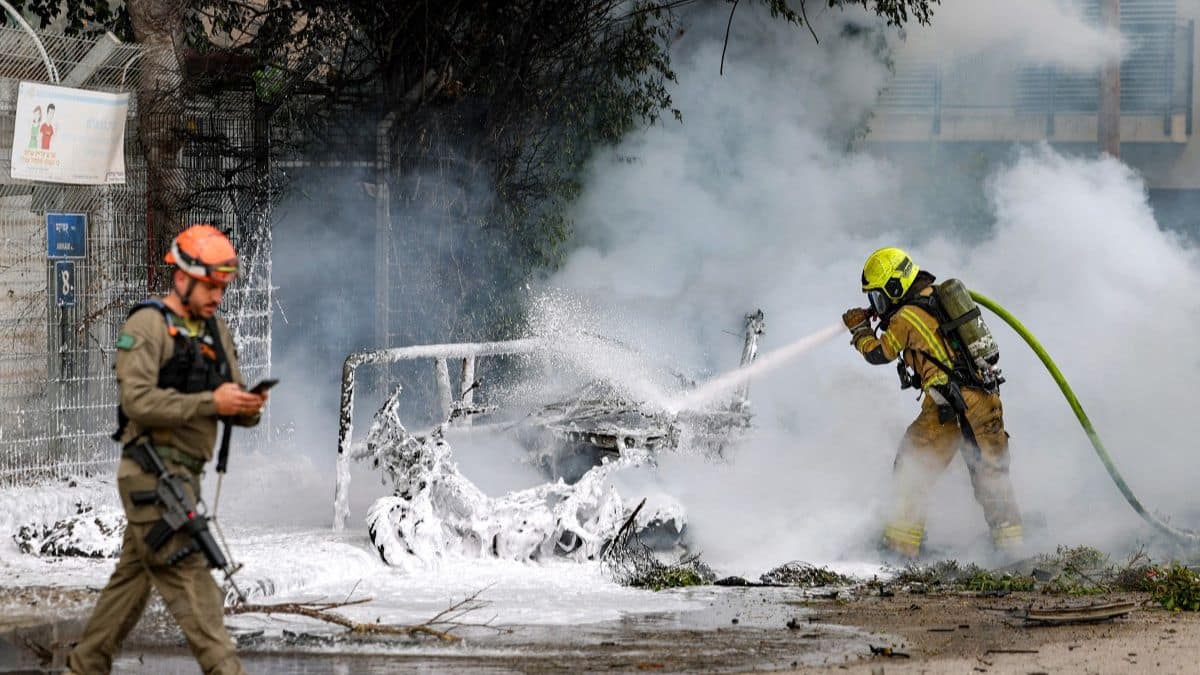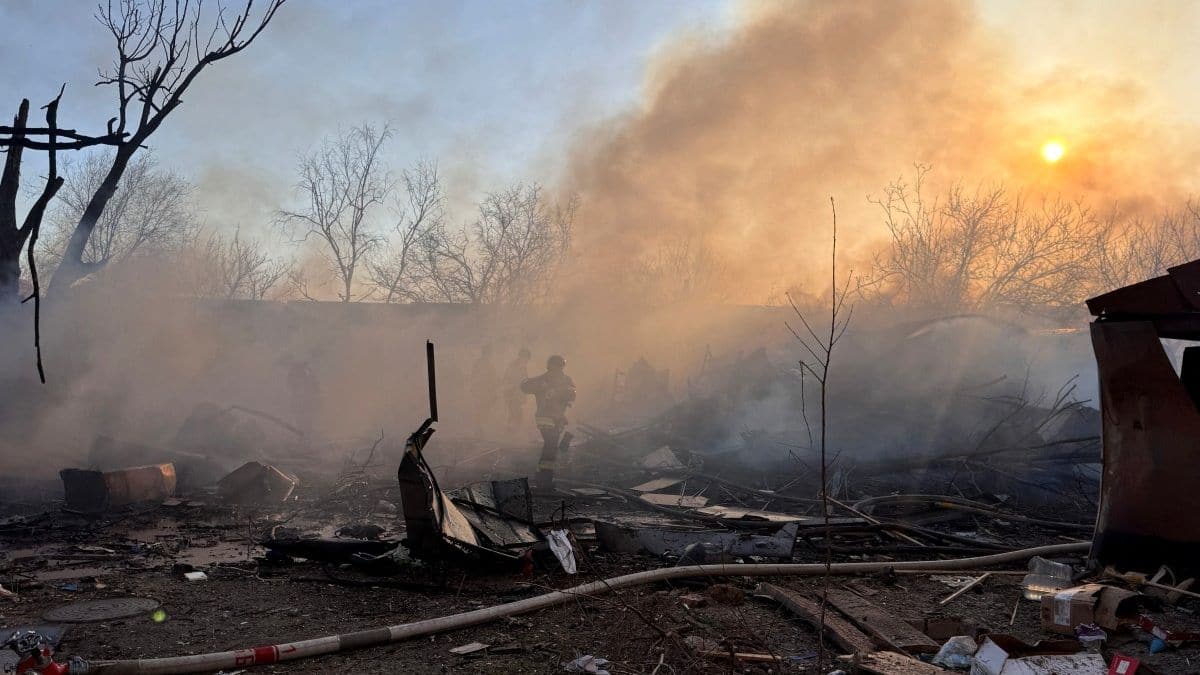
The brutal reality of geopolitics is that attention is a finite resource. Right now, Kyiv is learning that lesson in the hardest way possible. While Ukrainian soldiers hold the line in the Donbas, the eyes of the world—and more importantly, the checkbooks of Washington—are drifting toward the Persian Gulf. With the 2026 Iran war now in its second week, the "Ukraine fatigue" we all whispered about a year ago has transformed into something much more dangerous: a total strategic eclipse.
If you think the U.S. can indefinitely fund and arm two massive, high-intensity conflicts simultaneously, you haven't looked at the math. It's not just about political will or who’s "winning" the news cycle. It’s about the physical reality of empty warehouses and the cold logic of "America First" priorities.
The Zero Sum Game of Artillery Shells
For a long time, the Pentagon tried to reassure everyone that helping Israel (and now fighting Iran) wouldn't hurt Ukraine. That was a lie, or at best, wishful thinking. The 155mm artillery shell is the lifeblood of the Ukrainian defense. In 2023, the U.S. famously diverted 300,000 of these shells from stockpiles in Israel to Kyiv because the Middle East was "quiet."
Today, that flow has reversed. Israel is burning through munitions to suppress Hezbollah in Lebanon, and the U.S. Navy is firing multi-million dollar interceptors daily to keep the Strait of Hormuz open. The Pentagon's own capacity is buckling. While the Army wants to hit 100,000 shells a month by the end of this year, Ukraine alone often needs triple that to maintain parity with Russia. When Washington has to choose between protecting its own carrier strike groups in the Gulf and sending a shipment to Kharkiv, you don't need a PhD in international relations to guess the winner.
Why Air Defense is the New Breaking Point
President Zelenskyy was blunt during his recent speech at Sciences Po in Paris. He didn't just ask for general support; he specifically pointed to air defense. This is the crux of the problem. The Patriot systems and IRIS-T batteries that keep Kyiv’s power grid alive are the exact same systems needed to protect U.S. bases in Iraq and Jordan from Iranian ballistic missiles.
Every Patriot interceptor sent to the Middle East is one that doesn't intercept a Russian Kh-101 cruise missile over a Ukrainian maternity ward. Moscow knows this. By aligning more closely with Tehran—openly supporting the Iranian regime during the current strikes—the Kremlin is successfully running a pincer movement on Western manufacturing. They don't have to defeat NATO; they just have to outproduce it or wait for it to get distracted by a bigger fire.
The Trump Factor and the Policy Shift
We can't ignore the change in the White House. The current administration’s "America First" stance has fundamentally shifted how military aid is viewed. The recent Department of Defense review of arms exports wasn't just a routine audit. It was a signal. By limiting deliveries of HIMARS and long-range precision munitions to "prioritize national interests," Washington is essentially telling Kyiv to start looking elsewhere.
It’s not that the U.S. wants Ukraine to lose. It’s that the political appetite for a "forever war" in Europe has vanished the moment a "hot war" involving American assets in the Middle East began. The $400 million allocated for the Ukraine Security Assistance Initiative (USAI) for 2026 is a joke compared to the $14 billion we saw in the 2024 supplemental. That’s a 97% drop. That isn't a policy tweak; it's a withdrawal.
What Ukraine must do to survive this shift
Kyiv isn't sitting still, but the options are limited and painful. If you're following the conflict, these are the only levers left to pull:
- Aggressive Domestic Production: Ukraine is already trying to build its own drones and shells, but you can't build a domestic defense industry overnight while being bombed. They need Western joint ventures on Ukrainian soil, yesterday.
- The European Pivot: If Washington is out, Brussels has to be all in. This means Germany, France, and the UK have to move past "pledging" support and actually shift their economies to a war footing.
- Leveraging Frozen Assets: The $50 billion in Extraordinary Revenue Acceleration (ERA) loans backed by frozen Russian assets is a start, but it’s a drop in the bucket if U.S. hardware stops arriving.
The reality is that Ukraine is being forced into a "prolonged war of attrition" whether it’s ready or not. The West Asia war didn't just push Ukraine off the radar; it changed the frequency the radar operates on. If you want to help, stop looking for "victory" headlines and start looking for how many factories in Europe are actually breaking ground on new assembly lines. That’s the only metric that matters now.