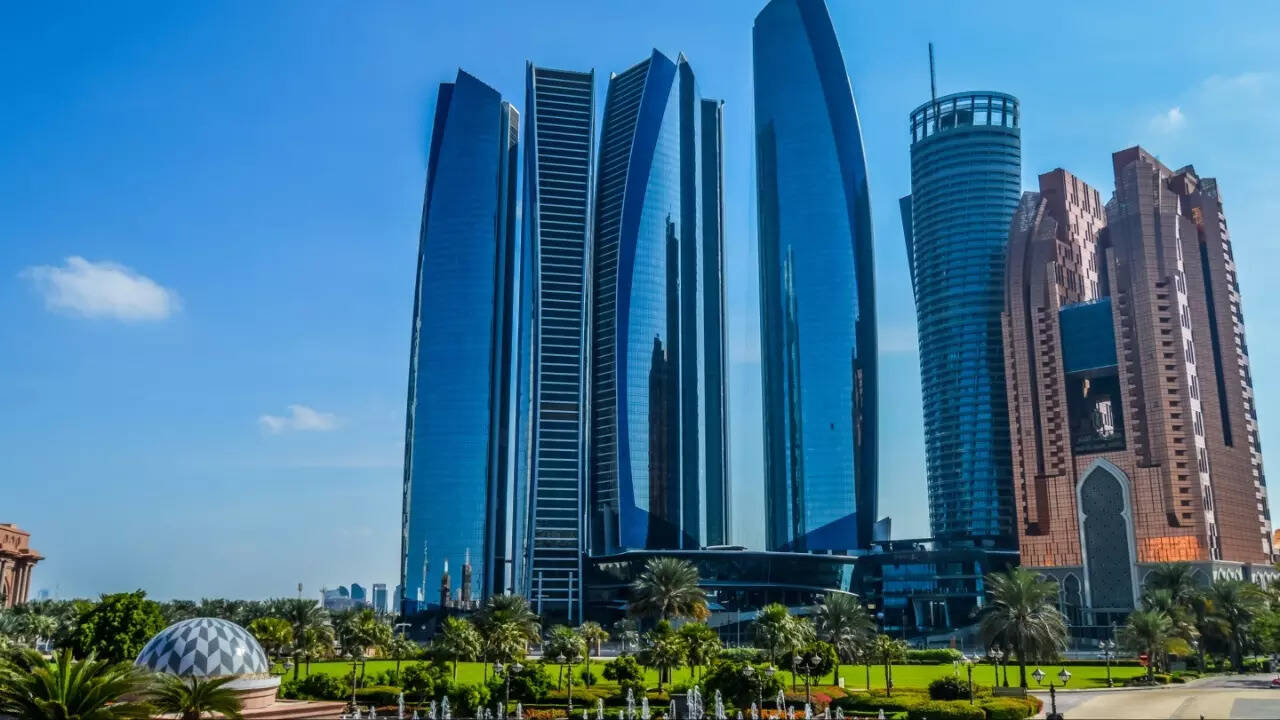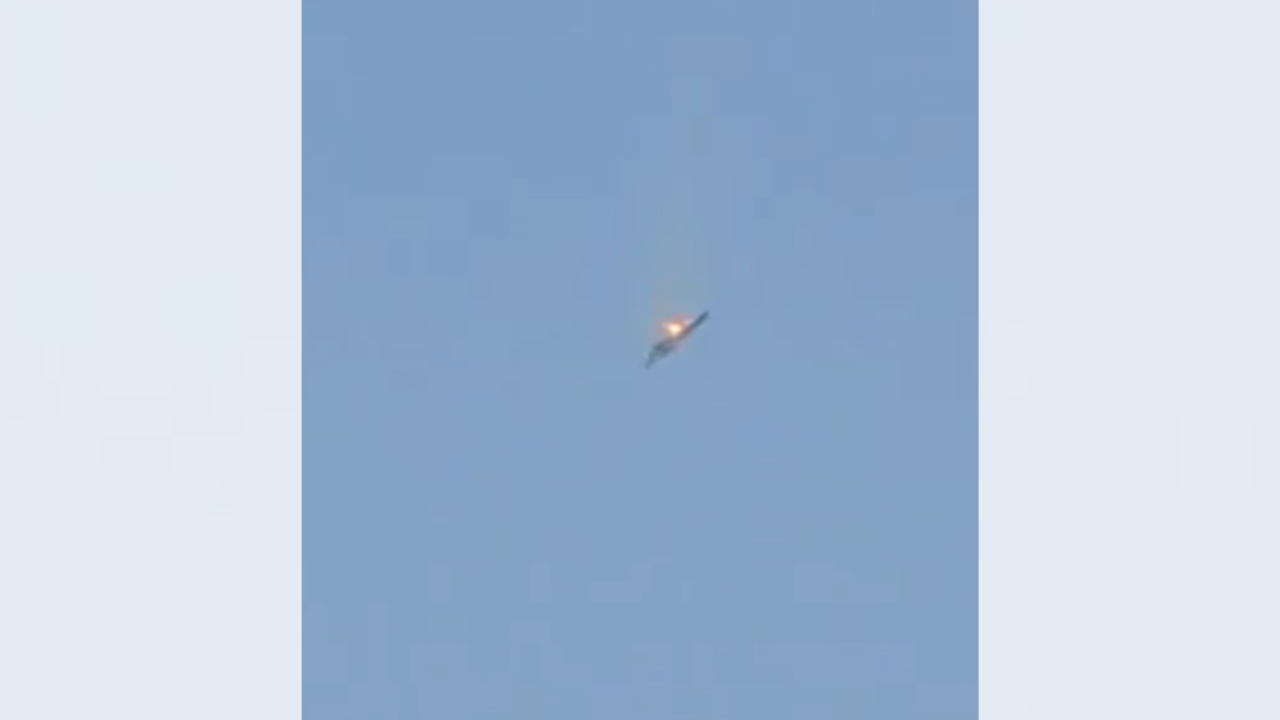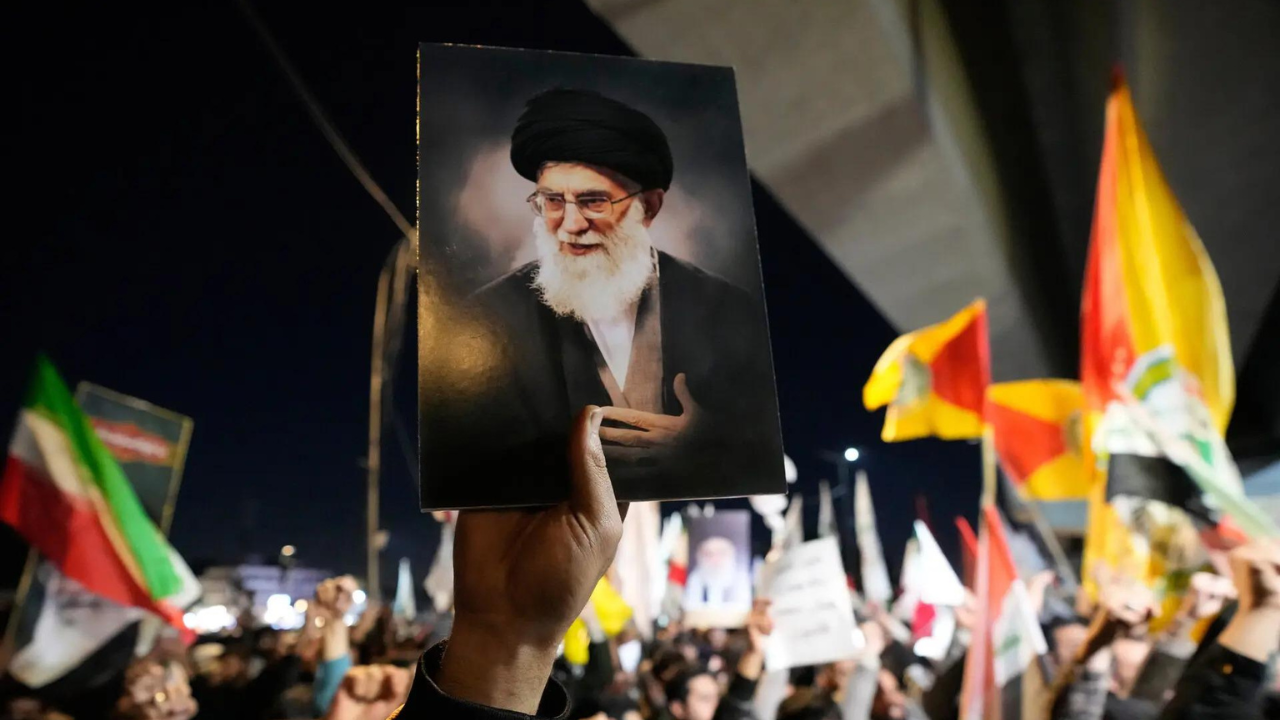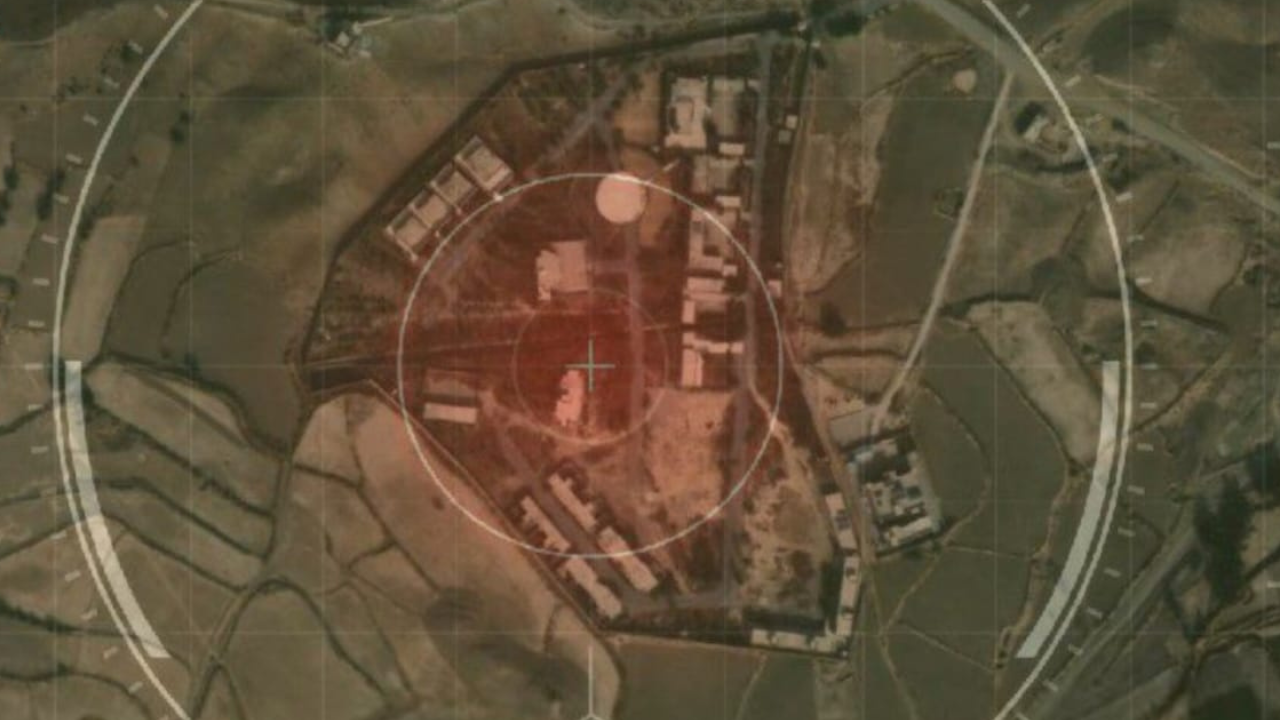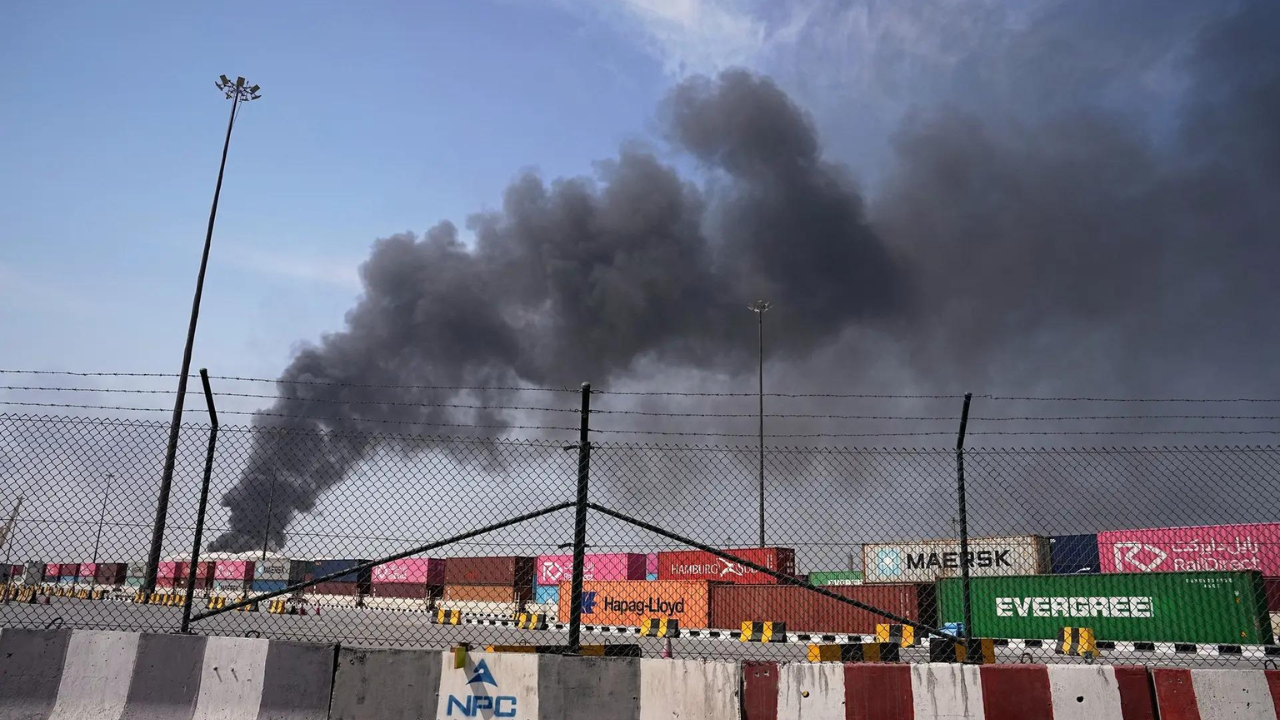
For decades, the glitzy skylines of Dubai and Abu Dhabi stood as shimmering proof that you could build a global paradise in a volatile neighborhood. People called it the "Safe Haven." That illusion didn't just crack this week; it shattered under a barrage of 165 ballistic missiles and over 500 drones. When Iranian projectiles started hitting five-star resorts on the Palm Jumeirah and terminal buildings at Zayed International Airport, the old rules of Middle Eastern security were tossed out the window.
The reality is simple. The Gulf isn't a bystander anymore. It's a target.
If you're looking for the "why" behind this chaos, look at the timeline. Following the joint U.S.-Israeli "Operation Epic Fury" against Iran, Tehran decided to stop playing by the old playbook. Instead of just hitting military bases in the desert, they aimed at the heart of the Gulf’s economic engine: tourism and aviation.
The Night the Music Stopped in Dubai
On Saturday, February 28, 2026, the Fairmont The Palm—one of the most recognizable luxury hotels in the world—became a literal firestorm. Social media footage didn't show military hardware; it showed terrified tourists in robes running from a building near the hotel entrance after a direct hit. Four people were injured there, but the psychological damage to the "Dubai Brand" is much harder to calculate.
Nearby, the Burj Al Arab caught fire from falling debris. Think about that. The world's only "seven-star" hotel was suddenly a backdrop for air defense interceptions. This isn't just about a few broken windows. It's an attack on the very idea that you can escape the world's problems by flying into DXB.
Airports Under Fire
The disruption to global travel is massive. Here’s what actually happened on the ground:
- Zayed International Airport (Abu Dhabi): A drone strike killed one person and injured seven others. This wasn't just "debris." It was a lethal breach of one of the world's most secure facilities.
- Dubai International (DXB): The world's busiest international hub saw a concourse sustained "minor damage" and four staff members injured.
- Kuwait International: A drone slammed into Terminal 1, wounding several employees.
- Bahrain International: Targeted in a drone wave that forced a full evacuation of the passenger terminal.
When you shut down these airports, you don't just stop people from getting to brunch. You sever the primary arteries of global trade between Europe, Asia, and Africa. Right now, flight maps show a giant hole over the Gulf where there used to be thousands of planes. Carriers like Emirates, Etihad, and Qatar Airways haven't just delayed flights—they've hit a wall of operational uncertainty that could take weeks to untangle.
The Strategy of the Axis of Resistance
Tehran's Foreign Minister, Abbas Araghchi, claimed they have "no intention" of attacking Gulf states directly. He says they're just hitting American bases. Don't believe it. When you fire 541 drones, you know exactly where they're going to land if they aren't intercepted. By forcing the UAE and its neighbors to activate their defense systems over populated areas, Iran is essentially holding the civilian population hostage to the debris of war.
It's a clear message to the U.S. and Israel: if you hit us, we'll burn the neighborhood down with us. This is "Operation Epic Fury" meeting its match in a regional firestorm. The "Axis of Resistance"—including groups like Kataib Hezbollah and the Houthis—has joined in, promising to target every U.S. asset from Manama to Muscat.
Life in the New Normal
For the millions of expats living in the UAE, the last 48 hours have been a wake-up call. The government has been proactive, but the measures are jarring. Schools have shifted to distance learning until March 4. Private companies are being told to let employees work from home. There's even a 24/7 mental health hotline (800-SAKINA) now active in Abu Dhabi to help residents cope with the anxiety.
Honestly, the "Safe Haven" label was always a bit of a stretch given the geography, but the sheer scale of this escalation is unprecedented. We're seeing the first time that civilian infrastructure in the Gulf has been systematically targeted as part of a wider regional war.
What You Should Do Right Now
If you're currently in the region or have travel plans, stop scrolling through unverified TikTok videos. It's mostly panic-bait.
- Check your airline app every hour. Don't bother calling the hotline; they're slammed. Emirates and Etihad are allowing rebooking for free until mid-March, but seats will be a nightmare to find.
- Follow NCEMA and MoD updates. The UAE's National Emergency Crisis and Disaster Management Authority is the only source you should trust for shelter-in-place orders.
- Stay away from windows. If sirens go off, the danger isn't just a direct hit—it's the shrapnel from the interceptors. The UAE's defense systems are elite (intercepting 132 out of 137 missiles), but what goes up must come down.
- Document everything for insurance. If your flight is canceled or your property is damaged, you'll need a paper trail. Travel insurance policies often have "act of war" exclusions, so read the fine print today.
The myth of the untouchable Gulf city is over. What replaces it is a much more grounded, much more cautious reality where the price of luxury is a very high-tech defense shield and a constant eye on the sky.