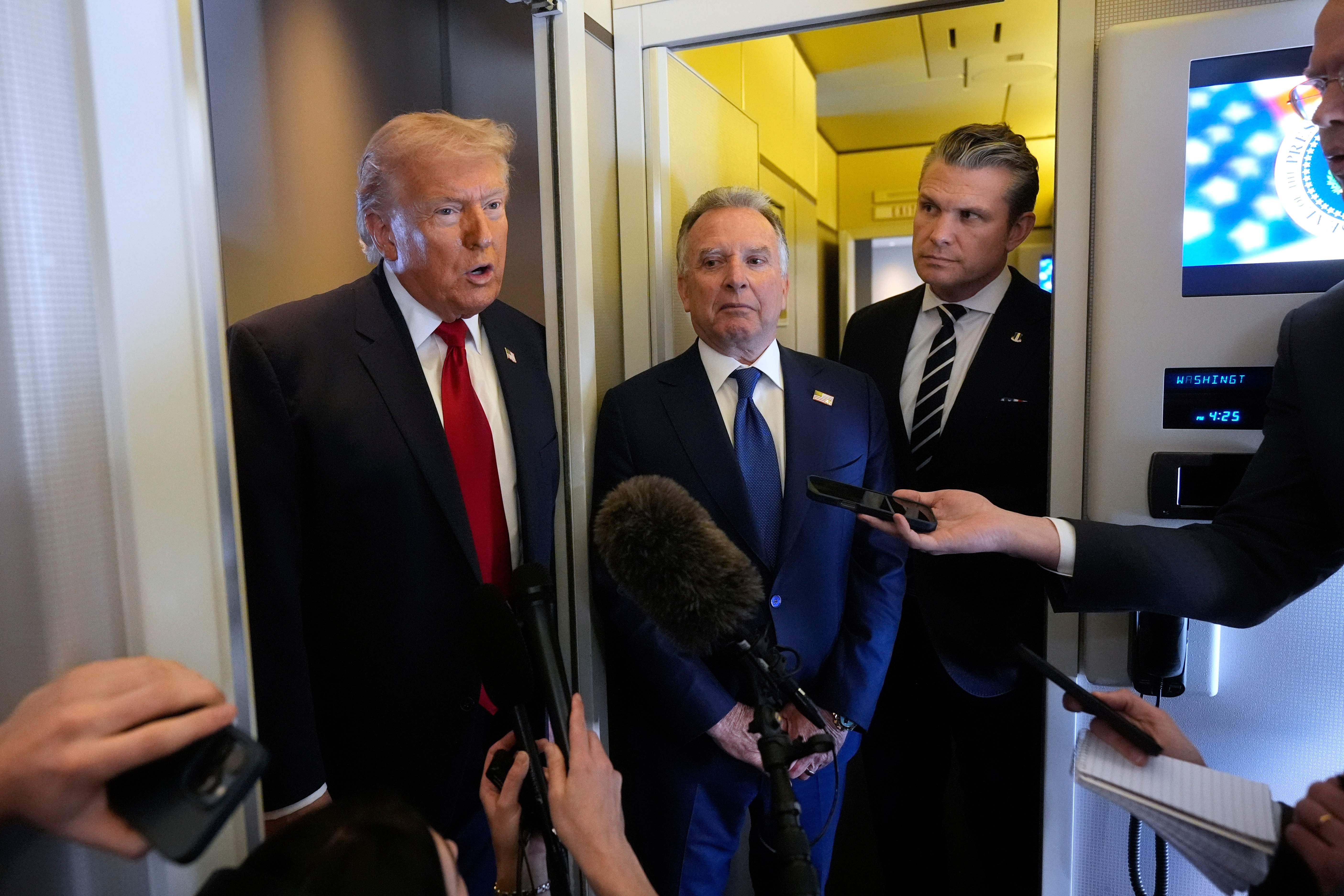
You’re probably seeing the headlines about explosions in Tehran and thinking it's just another cycle of Middle East chaos. It’s not. On March 13, 2026, the stakes shifted from a regional skirmish to a direct threat to your bank account. When a U.S. airstrike hit central Tehran near a massive state-organized rally, it didn't just rattle the windows of the Iranian capital; it sent a shockwave through the global energy market that’s going to hit you at the pump by next week.
Brent crude is already hovering around $100 a barrel, and some analysts are whispering about $150 if the Strait of Hormuz stays choked off. This isn't just about geopolitics. It’s about the fact that 20% of the world’s oil is currently stuck behind a wall of Iranian mines and U.S. naval blockades.
The Strike That Changed the Narrative
The Friday blast in Tehran was calculated. Thousands of Iranians had gathered for an annual rally—chanting the usual slogans—when the strike hit a nearby intelligence directorate. While U.S. Defense Secretary Pete Hegseth says we "don't need to worry" about the Strait of Hormuz, the reality on the ground tells a different story.
I’ve watched these escalations for years, and this feels different. It’s not a "surgical strike" anymore. Operation Epic Fury has now hit over 15,000 targets. We’re seeing a level of aggression that suggests the goal isn't just containment; it’s a total dismantling of Iranian military infrastructure. But every time a missile hits a drone factory in Isfahan, the price of shipping a container from Shanghai to New York ticks upward.
Why the Global Economy is Flirting with Recession
If you think you're insulated because the U.S. produces its own oil, you’re mistaken. Oil is a global commodity. When Iran effectively closes the Strait of Hormuz—as they have for the last two weeks—the global supply drops by roughly 20 million barrels per day.
- Shipping Chaos: Major carriers like Maersk and MSC have already abandoned the route. They’re now taking the long way around the Cape of Good Hope. That adds two weeks to every trip and thousands of dollars in fuel costs to every shipment.
- Inflation Spikes: We’re already seeing flour prices in some regions jump by 270%. Global shipping costs are up 16% compared to last year. This is how a war in the desert ends up making your groceries more expensive in the suburbs.
- The Tech Angle: Most people don't know that Qatar produces about 40% of the world's helium. It’s essential for making semiconductors. If that supply line stays frozen, expect your next smartphone or car to be delayed by months, not weeks.
Trump's "Bone" Factor and the Lack of an Off-Ramp
President Trump’s recent comment that the war will end when he "feels it in his bones" isn't exactly a detailed strategic roadmap. It signals a volatile, gut-driven approach to a conflict that has no clear exit strategy. While the U.S. claims to have destroyed 80% of Iran's air defenses, the "Axis of Resistance" is still functional.
We’re seeing drone strikes on U.S. assets in Iraq and even hotels in Dubai. This isn't a one-sided fight. It’s a messy, multi-front disaster that is draining U.S. munitions at a rate we haven't seen since the 1940s. The Pentagon is burning through interceptors that cost millions to stop drones that cost $15,000. Do the math. That’s a losing game for the taxpayer.
What You Should Actually Do Now
Don't wait for the evening news to tell you the economy is in trouble. The "wait and see" approach is how you get stuck with a 30% increase in your cost of living.
- Lock in Transport Costs: If you run a business that relies on physical goods, book your freight capacity now. Scarcity is about to become the defining feature of the 2026 market.
- Hedge Your Energy Exposure: If you have the option to lock in heating or energy rates, do it. The $100 per barrel price point is likely a floor, not a ceiling, as long as Kharg Island remains a target.
- Diversify Your Supply Chain: If your components come through the Persian Gulf or even the Suez, you need a Plan B. The "just-in-time" delivery model is dead for the foreseeable future.
The U.S. and Israel have clearly decided that the cost of a nuclear Iran is higher than the cost of a global recession. They might be right, but you're the one who’s going to pay the bill. Keep an eye on the Strait. If the Navy doesn't start successful escort operations within the next seven days, $100 oil will look like a bargain.