88 people are dead. That’s the official count from the Kenyan government as of late March 2026, but if you’ve been paying attention to the "long rains" over the last few years, you know the real tragedy isn't just the number. It’s the repetition. Every time the clouds turn gray over Nairobi or Kisumu, the same script plays out: rivers burst, bridges snap, and thousands of families end up in makeshift camps with nothing but the clothes on their backs.
This isn't a "natural" disaster anymore. It’s a systemic failure. Since the beginning of March 2026, torrential downpours have displaced more than 34,000 people across 21 counties. The Interior Ministry and the National Police Service are currently tracking a humanitarian crisis that feels like a grim reboot of 2024. If you’re looking for someone to blame, don't just look at the sky. Look at the concrete, the clogged drains, and the buildings sitting exactly where the water is supposed to go. In similar developments, read about: The Sabotage of the Sultans.
The Reality on the Ground in 2026
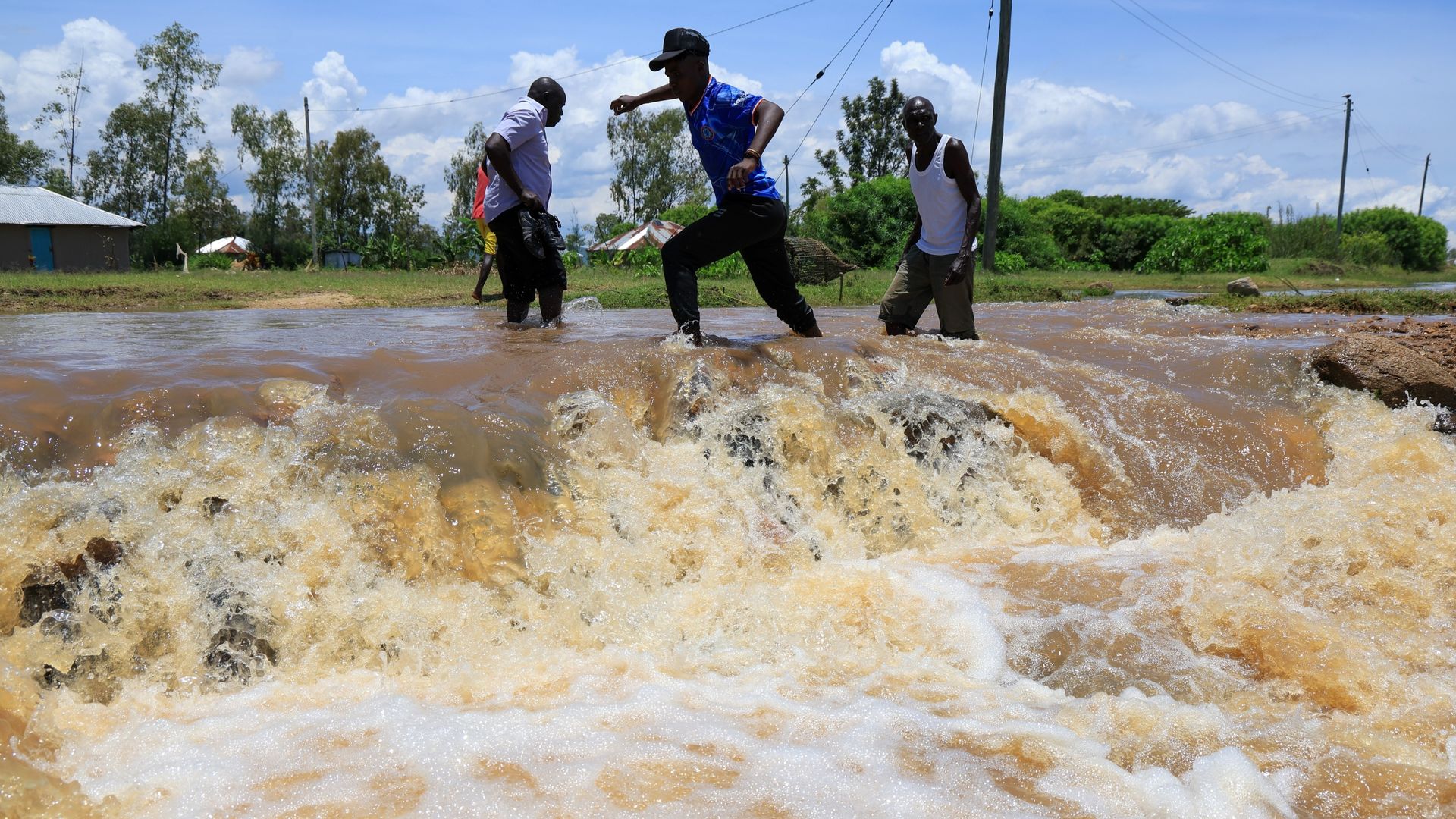
The latest spike in the death toll comes after the Nyando River in western Kenya decided it had enough. On Monday, it overflowed and swallowed sections of the Ahero Bridge. This isn't some minor backroad; it’s a critical artery on the Kericho–Awasi–Kisumu highway. When a bridge like that goes under, the economy of an entire region stutters. Motorists have been told to stay off the roads at night because you literally cannot tell where the pavement ends and a 10-foot-deep torrent begins.
In Makueni County, the horror took a different shape. A landslide in Kilungu Sub-County buried a home, killing two children and injuring four others. This is what experts call "climate whiplash." Just a few months ago, parts of Kenya were praying for a drop of rain after a brutal drought. Now, the ground is so hard and desensitized that it can't soak up the water. It just slides. Al Jazeera has also covered this fascinating topic in great detail.
- Death Toll: 88 confirmed fatalities nationwide.
- Displacement: Over 34,000 individuals (around 2,690 families) are in evacuation centers.
- Hotspots: Nairobi (37 deaths), Kisumu, Makueni, and the Tana River regions.
- Infrastructure: Dozens of bridges damaged and major highways submerged.
Nairobi Is a Concrete Sponge That Doesn't Absorb
If you live in Nairobi, you’ve probably seen the Uhuru Highway or Mombasa Road turn into a river in under 30 minutes. During the first week of March, the city recorded 112mm of rain in a single 24-hour window. That’s more than the average for the entire month.
Why does the capital collapse so fast? It’s simple: we’ve paved over the "sponges." Urbanization in Nairobi has been aggressive and, frankly, reckless. We build apartments on riparian land—the natural floodplains meant to act as a buffer. When the Nairobi River overflows, it has nowhere to go but into your living room or your engine block.
The drainage system is another nightmare. Most of it was designed decades ago for a fraction of the current population. Today, those drains are either too small or choked with plastic waste. When the rain hits, the water sits on the surface, searches for the lowest point, and takes everything with it.
The Myth of the Unprecedented Event
Stop calling these floods "unprecedented." They happen every year. In 2024, the death toll topped 300. In 2026, we’re already at 88 and the season isn't over. Scientists from groups like World Weather Attribution have already proven that climate change has made these intense bursts of rain twice as likely.
But here’s the thing: we know the rain is coming. The Kenya Meteorological Department issued warnings as early as February 25, 2026. They told everyone to expect more than 20mm of rain in 24-hour cycles. The problem isn't the forecast; it's the response. We’re still reacting with "emergency" food distributions and "rescue" missions instead of building a country that doesn't wash away.
What Needs to Change Right Now
If we want to stop writing these articles every March, the "business as usual" approach has to die. It’s not about giving out blankets; it’s about where we allow people to live.
- Enforce Riparian Laws: If a building is on a floodplain, it needs to go. We’ve had enough "orders" from the government; we need actual enforcement that isn't swayed by a bribe.
- The "Spongy City" Model: We need to stop using non-porous concrete for everything. Cities like Changsha in China have pioneered "sponge city" tech—permeable pavements and green roofs that absorb water. Kenya needs to start small, but it needs to start.
- Last-Mile Early Warning: A text message saying "it's going to rain" isn't enough for someone in a Kibra informal settlement. We need local chiefs and community leaders equipped with sirens and clear evacuation paths that don't involve crossing a bridge that's about to collapse.
- Waste Management: You can’t have a working drainage system if it’s a trash can. The flooding in Nairobi is as much a plastic problem as it is a weather problem.
Moving Toward Safety
If you're in an affected area, don't gamble with your life. Don't drive through moving water, even if it looks shallow. Most of the deaths this month happened because people underestimated the power of a flash flood or got electrocuted by downed lines in standing water.
Check the Kenya Met Department updates daily. If you live near a riverbank, especially the Nyando or Tana, move to higher ground before the water reaches your door. The government has set up centers in 21 counties; use them. Don't wait for a "rescue" that might not get to you in time because the roads are gone.
The water will eventually recede, but until we fix the way our cities are built, the next "unprecedented" disaster is only a few months away. Stick to the high ground and keep your emergency kit ready. You can't control the clouds, but you can control where you're standing when they open up.
Find your nearest evacuation center through the Kenya Red Cross or your local sub-county office. Do it before the next downpour hits tonight.