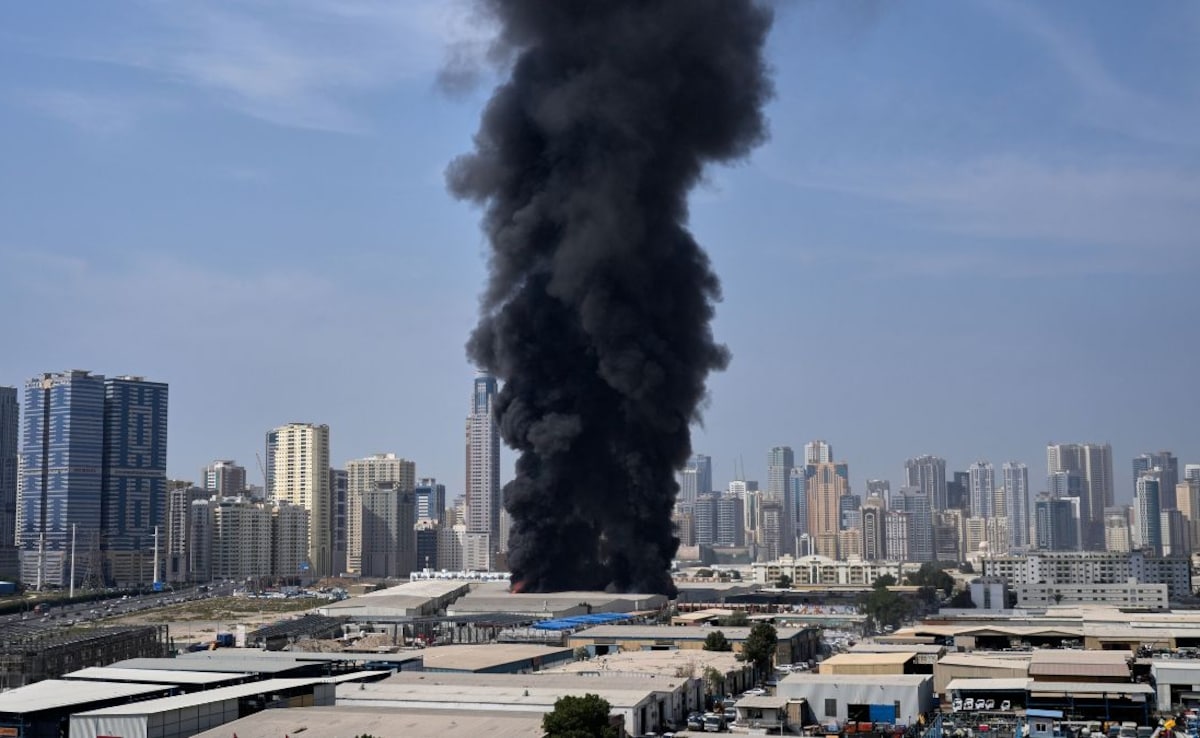
The sky over the United Arab Emirates usually belongs to long-haul jets and desert sun. That changed on February 28, 2026. In a span of roughly 48 hours, Iran launched a staggering 165 ballistic missiles and 541 drones toward UAE territory. It was a clear attempt to overwhelm one of the world's most sophisticated air defense networks. If the goal was to cripple the country, it didn't work.
While the numbers look terrifying on a headline, the reality on the ground tells a story of technical success and sheer resilience. The UAE Ministry of Defence confirmed that its systems intercepted 152 of those 165 ballistic missiles. Most of the rest—13 to be exact—plopped harmlessly into the sea. This isn't just luck. It's the result of years of heavy investment in hardware that most people only see in action movies.
The Math Behind the Interceptions
Let's talk numbers because they're wild. Beyond the ballistic missiles, the UAE dealt with two cruise missiles and a swarm of 541 drones. Out of that drone fleet, 506 were knocked out of the air. That’s a 93% success rate against low-flying, hard-to-track suicide drones.
Honestly, the sheer volume of fire suggests Iran was trying to reach a "saturation point"—the moment where there are more incoming targets than there are interceptors ready to fire. They failed. The UAE air defense didn't just hold; it dominated.
Still, no system is perfect. Thirty-five drones made it through. Some hit civilian areas, causing material damage and, tragically, three deaths. The victims were Pakistani, Nepali, and Bangladeshi nationals. Fifty-eight others suffered minor injuries. It's a reminder that even when you win the technical battle, the human cost remains.
What Iran Was Trying to Prove
You don't fire 165 ballistic missiles just to see if they work. This was a direct response to the massive joint U.S. and Israeli strikes that targeted Iranian military infrastructure—and reportedly Supreme Leader Ayatollah Ali Khamenei—earlier that weekend. Iran felt it had to lash out at regional partners to save face.
By targeting the UAE, Tehran was aiming for the jugular of the global economy. One drone hit a terminal at Dubai International Airport. For a moment, the world's busiest international hub went quiet. The UAE responded by shutting down the Abu Dhabi Securities Exchange and the Dubai Financial Market for two days. They aren't taking chances with the economy while the air is still hot.
Why the UAE Was Ready
- The Layered Defense Strategy: They don't rely on just one "magic" missile. They use a mix of American-made Patriots and THAAD (Terminal High Altitude Area Defense) systems.
- Real-Time Integration: The UAE has been practicing "interoperability" with its neighbors and the U.S. for years. When the launches happened in Iran, the UAE knew within seconds.
- Domestic Preparedness: The Ministry of Defence didn't hesitate. They moved immediately to secure sites and manage debris fall. When you shoot down a ballistic missile, the pieces have to go somewhere. Most of the "damage" reported in residential areas was actually falling shrapnel, not a direct hit from a warhead.
The Economic Ripples and Market Freeze
Money is just as much a weapon in this conflict as a Shahed drone. The decision to halt stock trading on March 2 and 3 was a tactical pause. It prevents panic selling and gives the government time to show that the infrastructure—the ports, the power plants, the desalination units—is actually intact.
Other markets in the region didn't have that luxury. Saudi Arabia’s index dropped 4% at the open. Egypt’s main index shed over 5%. By freezing their own markets, the UAE basically told investors, "We're handling this. Don't do anything stupid while we're cleaning up."
This Isn't Just a UAE Problem
If you think this is just a local spat, you're wrong. Jordan intercepted 13 ballistic missiles during the same period. Qatar and Saudi Arabia also reported incoming fire. We're looking at a regional "Nightmare Scenario" where the entire Gulf has to act as a single, massive shield.
The UAE has already stated they reserve the "full right to respond." That’s diplomatic speak for "we might hit back." If these attacks continue, don't be surprised to see Gulf Arab states move from purely defensive positions to active participation in counter-strikes. Deterrence only works if the other side is afraid of what happens next. Right now, Iran seems more interested in escalation than fear.
What You Should Watch For Next
The immediate danger hasn't vanished. The Ministry of Defence remains on high alert. If you're in the region or have business interests there, the next 72 hours are the "danger zone."
Watch the stock market reopening on March 4. If the markets stabilize, it’s a sign that the international community believes the UAE’s defense is impenetrable. If they continue to slide, the economic war is just beginning. Check official government channels like the Emirates News Agency (WAM) for updates. Don't trust the rumors flying around on social media; they're designed to cause the exact panic the UAE is trying to avoid.
Keep an eye on the Strait of Hormuz. With shipping giants like Maersk already suspending some crossings, any further escalation could send oil prices into a vertical climb. The hardware did its job over Abu Dhabi and Dubai, but the geopolitical fallout is just getting started.