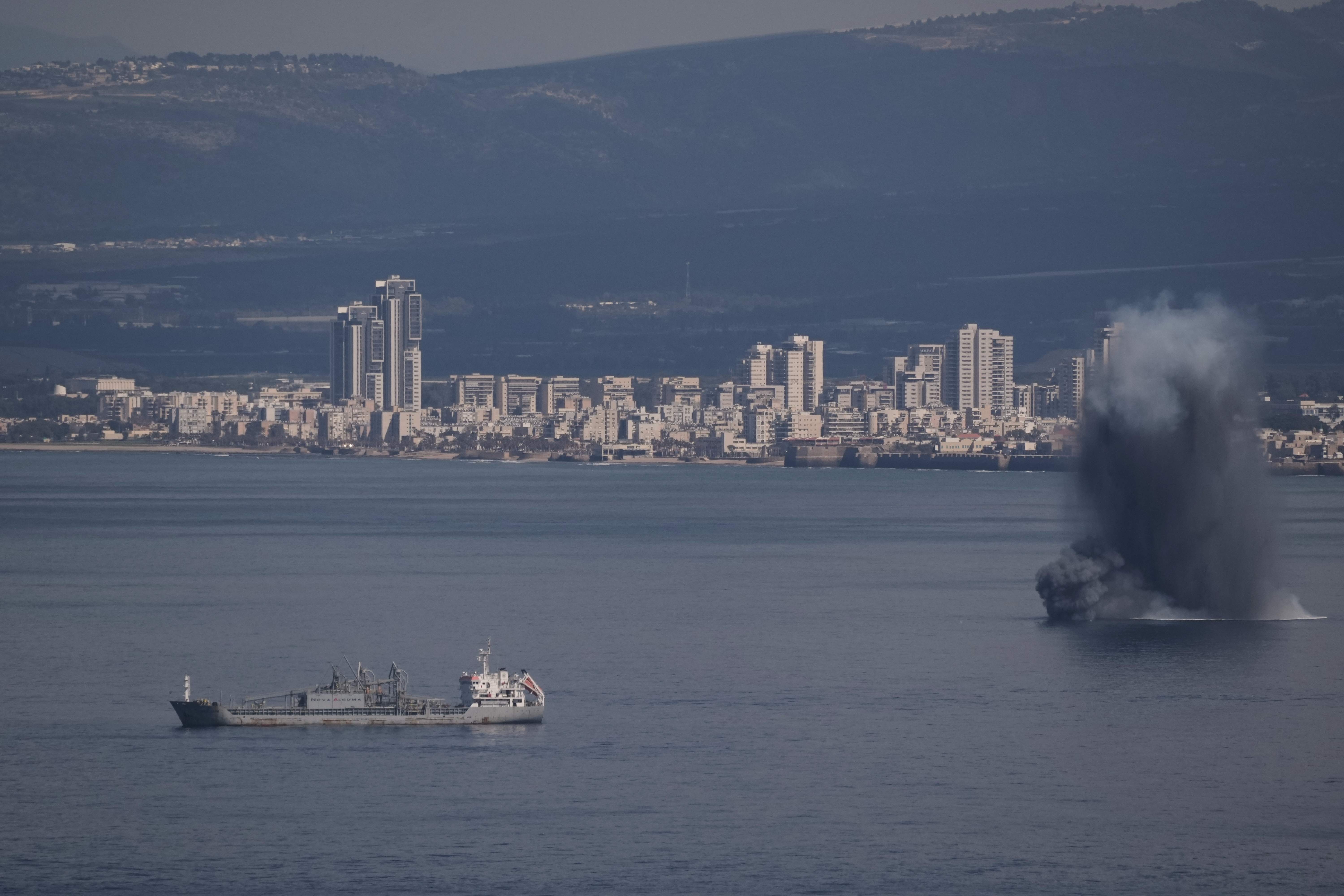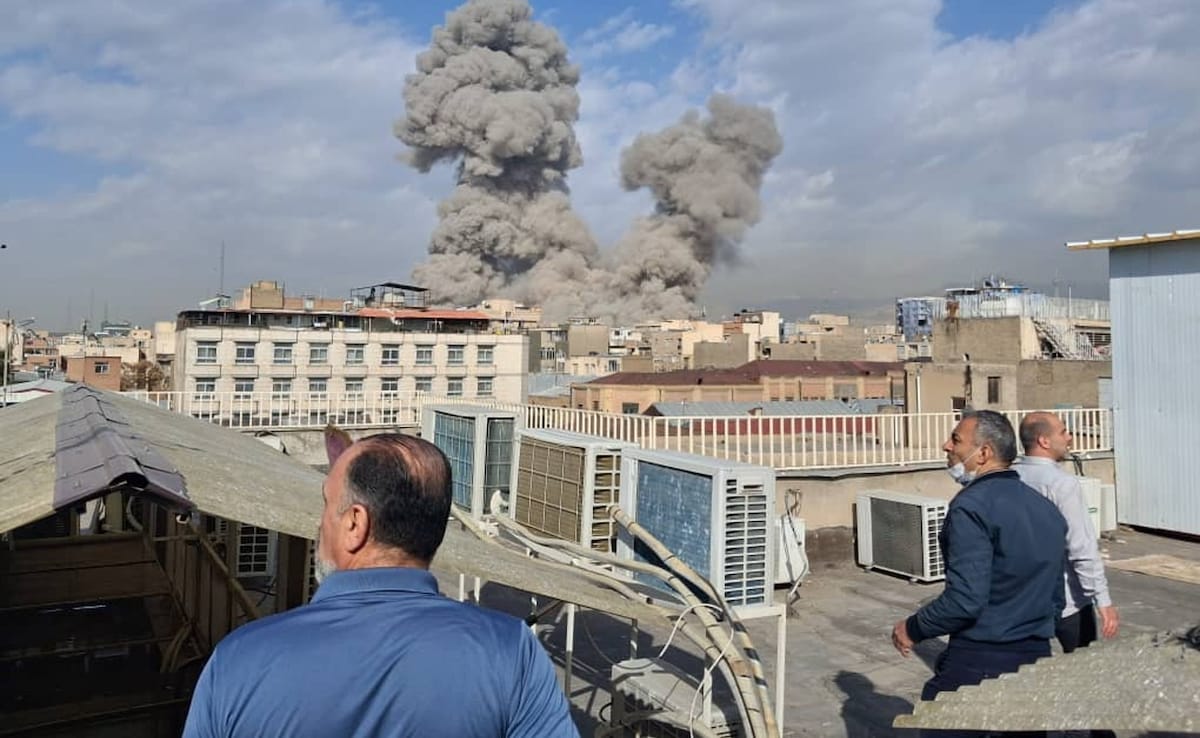
India's agricultural crown jewel is losing its shine because of a map. If you're tracking the global commodities market, you've probably seen the headlines about the Middle East. But for Indian farmers and exporters, this isn't just a geopolitical debate. It's a massive threat to a $1.2 billion trade artery. Iran has long been the primary destination for Indian Basmati rice, yet the current conflict is choking the very routes that keep this trade alive.
The math is simple and brutal. Iran usually buys roughly 30% of India’s total Basmati exports. When tensions in the region spike, shipping lines get nervous. Freight rates skyrocket. Insurance premiums for vessels entering the Persian Gulf turn into a logistical nightmare. We’re looking at a situation where the world’s most aromatic rice might end up sitting in warehouses in Haryana and Punjab instead of reaching dinner tables in Tehran.
The Red Sea Chokepoint and Your Dinner Plate
Logistics is the unsexy part of international trade that actually runs the world. Right now, it’s broken. Most people don't realize how much the Red Sea crisis and the broader Iran-Israel friction impact the cost of a grain of rice. When ships have to take the long way around the Cape of Good Hope, they aren't just burning more fuel. They're burning time. For a perishable commodity—even one as sturdy as aged Basmati—every extra day at sea is a risk.
The All India Rice Exporters Association (AIREA) has been sounding the alarm for months. It’s not just about the physical danger to ships. It’s about the money. Most Indian exporters operate on thin margins. If a container that used to cost $600 to ship now costs $2,000, someone has to pay. Usually, that’s the farmer who gets a lower price or the consumer who sees an insane jump at the grocery store.
Why Iran Matters More Than Other Markets
You might think India could just sell that rice elsewhere. It’s not that easy. Iran has a specific palate for the long-grain, highly aromatic 1121 Basmati variety. They’ve spent decades building a preference for Indian grain over Pakistani or Southeast Asian alternatives. This isn't a market you just "replace" by calling up a buyer in Europe or the US.
The Iranian market is also uniquely tied to the rupee-rial payment mechanism. Since Iran faces heavy international sanctions, they can't always use the standard SWIFT system. India and Iran set up a workaround where Iran sells oil to India and uses those rupees to buy rice and medicine. When conflict escalates, this delicate financial balance teeters. If the payment gateway stalls, the rice stops moving. Period.
The Ripple Effect on Local Mandis
Walk into a mandi in Karnal or Amritsar right now and you'll feel the anxiety. Farmers grow Basmati based on export demand. If the big export houses stop buying because their Iranian contracts are on ice, the local price crashes. Last season, we saw prices hovering around 4,500 to 5,000 rupees per quintal. If the Iran conflict shuts the door, that could easily slide by 20%.
That’s a lot of lost income for families who put everything into the soil. It shows how a missile strike hundreds of miles away directly dictates whether a farmer in North India can pay back his tractor loan. The connectivity of the modern world is a double-edged sword.
Payment Delays and the Credit Crunch
Exporters are currently grappling with a massive buildup of receivables. When a country is in the middle of a military standoff, their central bank priorities shift. Transitioning funds becomes a secondary concern to national security. Indian exporters often find themselves holding the bag, waiting for payments that are months overdue.
- Shipping insurance has surged by nearly 25% in high-risk zones.
- Container availability is at a seasonal low because ships are stuck in longer transit loops.
- Iranian buyers are asking for longer credit periods, which Indian small-medium enterprises (SMEs) can't afford.
This isn't just a "big business" problem. It's an SME problem. The small export houses don't have the cash flow to survive a six-month payment delay. If the Iran situation doesn't stabilize, we’re going to see a wave of consolidations or outright bankruptcies in the Punjab rice belt.
What Happens if the Conflict Escalates
Let’s be blunt. If the Strait of Hormuz is ever actually closed, the $1.2 billion figure is an underestimate. It becomes a zero-dollar trade. Total blockage. India would be forced to find a home for nearly 1.3 million metric tonnes of rice overnight. The domestic market would be flooded, prices would tank, and the "Basmati" brand could lose its premium status as sellers dump stock at fire-sale prices.
We also have to look at the competition. Pakistan is waiting in the wings. They share a land border with Iran. While they face their own economic hurdles, any disruption to India’s sea routes gives Pakistani rice a geographic advantage. Trade doesn't like a vacuum. If India can't deliver, Iran will look elsewhere, sanctions or not.
Pivot Strategies for Smart Exporters
Sitting around and waiting for peace isn't a business plan. The smartest players in the industry are already diversifying. You can't put 30% of your eggs in the Iranian basket anymore. There’s a growing push to expand into Saudi Arabia, Iraq, and the UAE, which are more stable but also more competitive.
- Shift to Western Markets: There’s a massive untapped demand for organic and pesticide-free Basmati in the EU and North America. It requires stricter farming standards, but the margins are better and the ships don't have to pass through as many combat zones.
- Value-Added Products: Instead of shipping raw grain, companies are looking at "ready-to-eat" or parboiled varieties that have a longer shelf life and higher value per ton.
- Government Intervention: The Indian government needs to negotiate a more robust credit guarantee scheme. If the state-backed ECGC (Export Credit Guarantee Corporation) doesn't step up to cover Iranian risks, the trade will continue to shrink.
The reality is that Basmati is more than a commodity; it’s a diplomatic tool. But diplomacy fails when the shipping lanes are on fire. For now, the Indian rice industry is holding its breath, watching the news, and hoping that the next shipment actually makes it to port.
Exporters should immediately review their insurance policies to ensure "War Risk" clauses are up to date. Don't wait for a total shutdown to look at alternative ports like Jebel Ali for transshipment. Diversify your buyer portfolio now, even if it means taking a slightly lower price in a more stable region. The risk of being over-leveraged in Iran is simply too high in 2026.