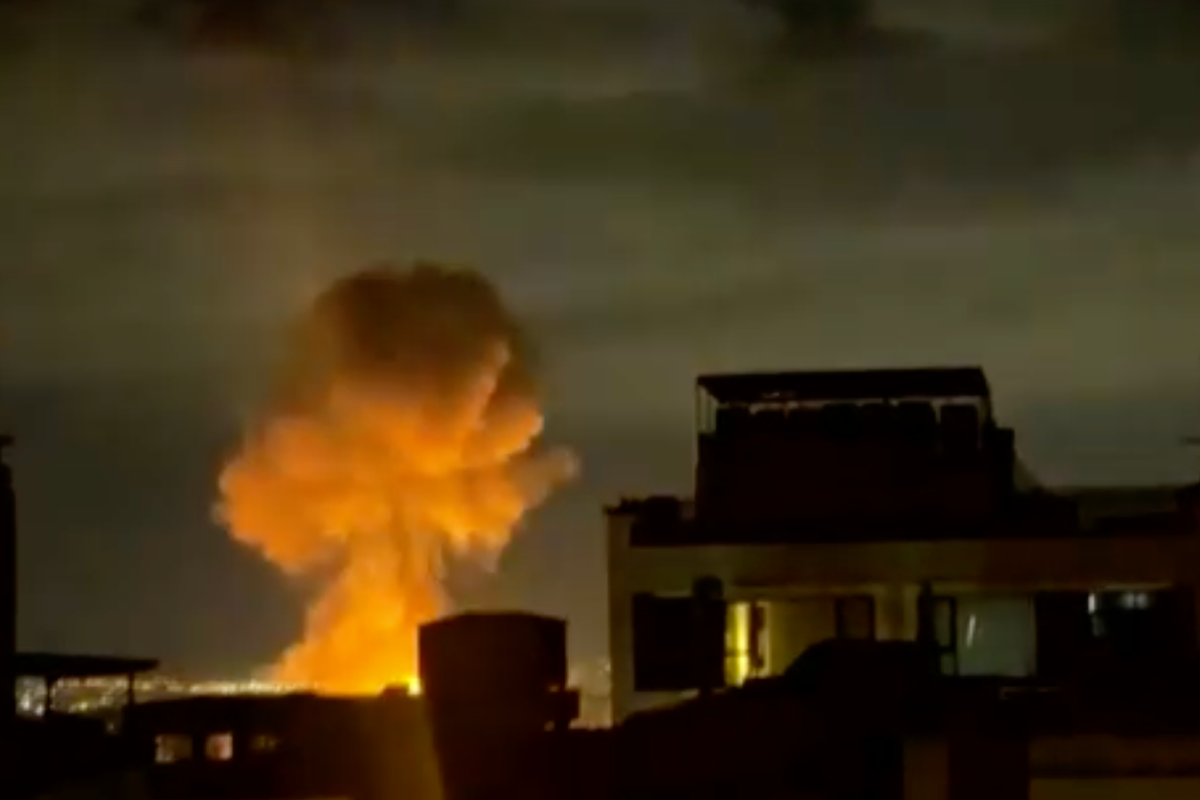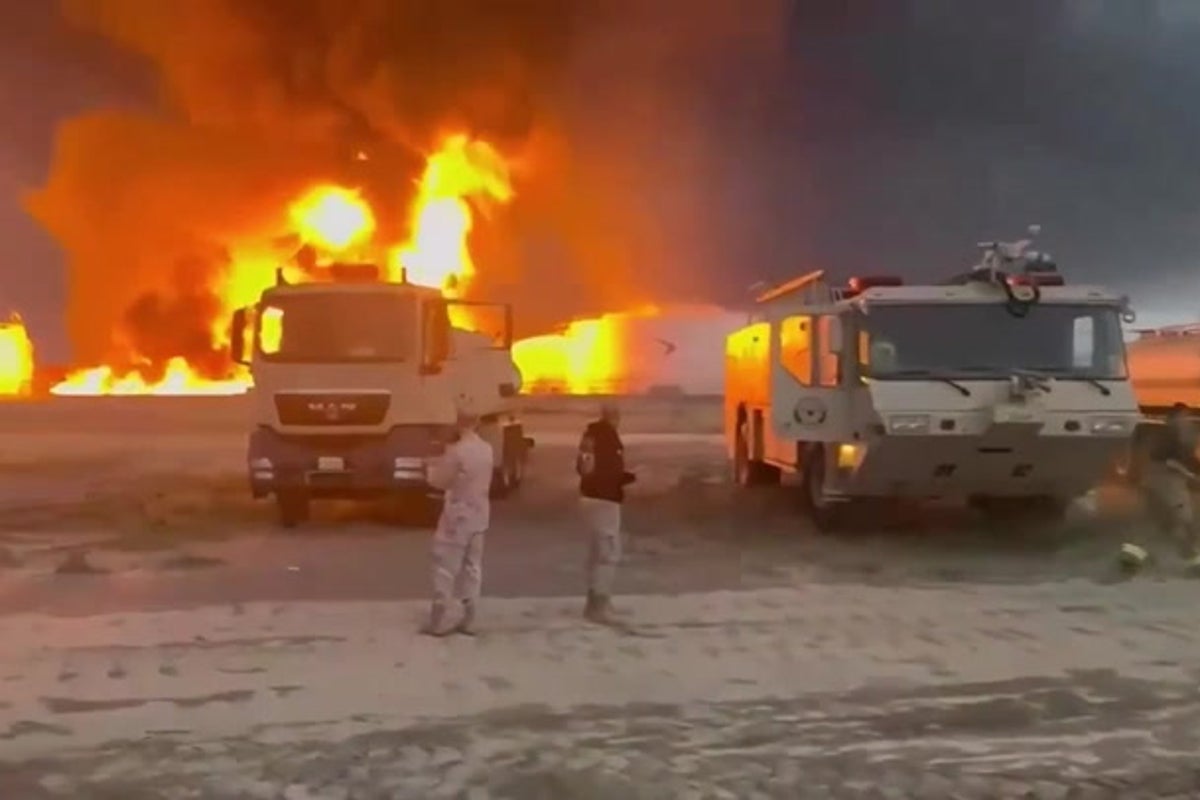
You’ve probably seen the headlines about ship attacks in the Red Sea and wondered how a group you hadn't heard of a few years ago is suddenly dictating the price of your coffee and gasoline. The Houthis aren't just a "rebel group" anymore. They've turned into a global maritime powerhouse that's currently choking one of the world's most vital trade arteries. As of March 2026, the situation has shifted from a regional headache to a full-blown international crisis that the world's biggest navies can't seem to solve.
If you want to understand why your Amazon package is delayed or why shipping rates are through the roof, you have to look at the Bab el-Mandeb Strait. It's a narrow neck of water between Yemen and Africa. The Houthis sit right on top of it, and they've realized that they don't need a massive navy to bring global commerce to its knees. They just need a few drones, some ballistic missiles, and a lot of patience.
The group that came from the mountains to the sea
To understand where we are in 2026, you have to look back at who these people actually are. The Houthis, who officially call themselves Ansar Allah (Supporters of God), didn't start as a maritime threat. They're a Zaydi Shia movement from the rugged mountains of northern Yemen. For decades, they fought the Yemeni government in a series of localized wars that nobody in the West paid much attention to.
That changed in 2014 when they stormed the capital, Sanaa, and sent the government packing. This triggered a massive intervention by a Saudi-led coalition in 2015. Everyone thought the Houthis would be crushed in weeks. Instead, they survived a decade of intense bombardment, got battle-hardened, and built a sophisticated military-industrial complex with significant help from Iran.
They’ve spent the last few years proving that they aren't just Iranian puppets—they’re an autonomous force with their own agenda. They’ve integrated themselves into the "Axis of Resistance" alongside groups like Hezbollah, but they often act with a level of unpredictability that even Tehran doesn't always control.
Chaos at the Strait of Hormuz and the Red Sea pincer
The world's focus recently shifted to the Strait of Hormuz after the massive escalations between the U.S., Israel, and Iran in February 2026. When Iran effectively closed Hormuz, it sent shockwaves through the energy markets because 20% of the world's oil and LNG flows through that tiny gap.
But here’s the thing: while Hormuz is the world's "oil tap," the Red Sea is the "goods tap." The Houthis have used the chaos in Hormuz to resume their own campaign of attacks in the Red Sea. For the first time in modern history, we’re seeing both major Middle Eastern maritime chokepoints under threat at the exact same time.
This creates a "pincer" effect on global trade.
- Strait of Hormuz: Blocks oil and gas coming out of the Persian Gulf.
- Red Sea (Bab el-Mandeb): Blocks the shortcut for manufactured goods and fuel moving between Asia and Europe.
When you block both, you don't just get delays. You get a complete breakdown of the "just-in-time" supply chain model that the global economy relies on.
Why the world's best navies are struggling
You'd think the combined power of the U.S. Navy and its allies would be enough to keep a few shipping lanes open. It's not that simple. I've watched this play out: the Houthis use asymmetric tactics that are incredibly cheap for them but ruinous for everyone else.
They launch $20,000 "suicide" drones that require a $2 million interceptor missile to shoot down. It's a math problem that the West is losing. Even if the Navy bats away 99% of the threats, that 1% that gets through is enough to make insurance companies lose their minds. By March 2026, insurance premiums for Red Sea transits have skyrocketed to the point where many shipping giants like Maersk and MSC have simply given up on the route, choosing the long way around the Cape of Good Hope.
This isn't just a detour. It adds 10 to 14 days to a trip and burns thousands of tons of extra fuel. Those costs get passed directly to you.
The 2026 reality of Houthi weaponry
We’re no longer talking about guys in sandals with AK-47s. The Houthis now possess:
- Anti-ship ballistic missiles: These are hard to track and even harder to stop once they're in their terminal phase.
- Unmanned surface vessels (USVs): Basically remote-controlled boats packed with explosives. They're hard to spot on radar because they sit so low in the water.
- Loitering munitions: Drones that can circle an area for hours until they find a target.
They've even targeted "sensitive military sites" as far away as Israel, proving their reach extends over 2,500 kilometers from Yemen's borders. This isn't just about Yemen anymore; it's about a group that has successfully projected power across the entire Middle East.
What this means for your wallet
The disruption is hitting several key areas right now.
- Energy: With the double-whammy of the Hormuz closure and Red Sea attacks, Brent crude has been hovering around $100 a barrel.
- Food Security: Egypt is getting crushed because its Suez Canal revenues—a massive part of its economy—have fallen by nearly 50% compared to pre-crisis levels.
- IT and Electronics: Most of the components for your phones and laptops come through these lanes. Inventory is thinning out, and prices are creeping up.
The internal Yemen factor
While they're fighting a global maritime war, the Houthis are also tightening their grip on northern Yemen. They’ve used the Red Sea attacks to boost their domestic popularity, branding themselves as the only Arab force actually "doing something" against Western interests.
Meanwhile, the humanitarian situation in Yemen is a disaster. Millions are on the brink of famine, and the Houthis have been cracking down on aid workers, accusing them of spying. It’s a grim irony: the group claiming to fight for justice on the global stage is overseeing one of the worst humanitarian crises on the planet at home.
The 2026 reality is that there is no easy military solution. You can't just bomb the Houthis into submission—the Saudis tried that for years and failed. They’ve moved their operations into deep tunnels and mobile launchers that are almost impossible to eliminate from the air.
If you're a business owner or an investor, you shouldn't expect the Red Sea to return to "normal" anytime soon. We’re entering an era where non-state actors can hold the global economy hostage with relatively low-cost tech. The "shortcut" through the Suez Canal is currently a gamble that most of the world's shipping fleet isn't willing to take.
Prepare for longer lead times and higher shipping surcharges for the foreseeable future. You should audit your supply chain for any dependencies that rely on Suez transits and look for overland alternatives through Saudi Arabia or even increased air freight for high-value items. The era of cheap, reliable maritime trade through the Middle East is on indefinite hiatus.
.png?width=1200&auto=webp&trim=0%2C0%2C0%2C0)