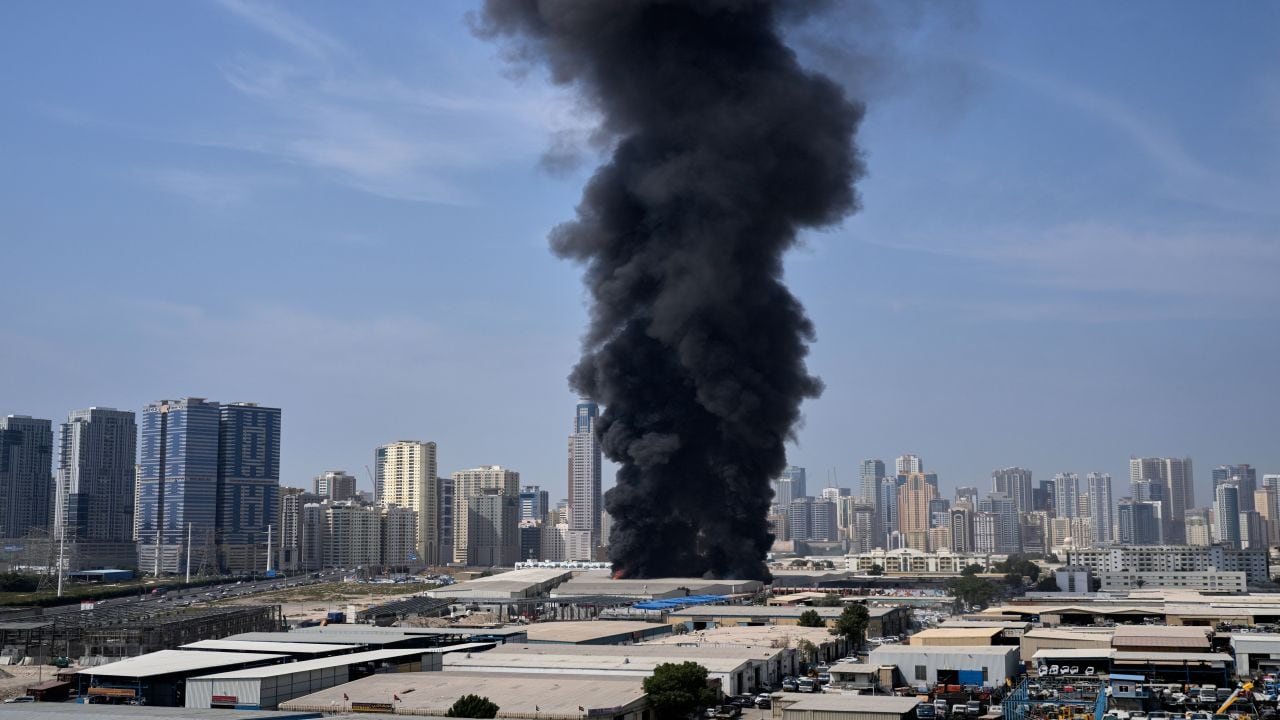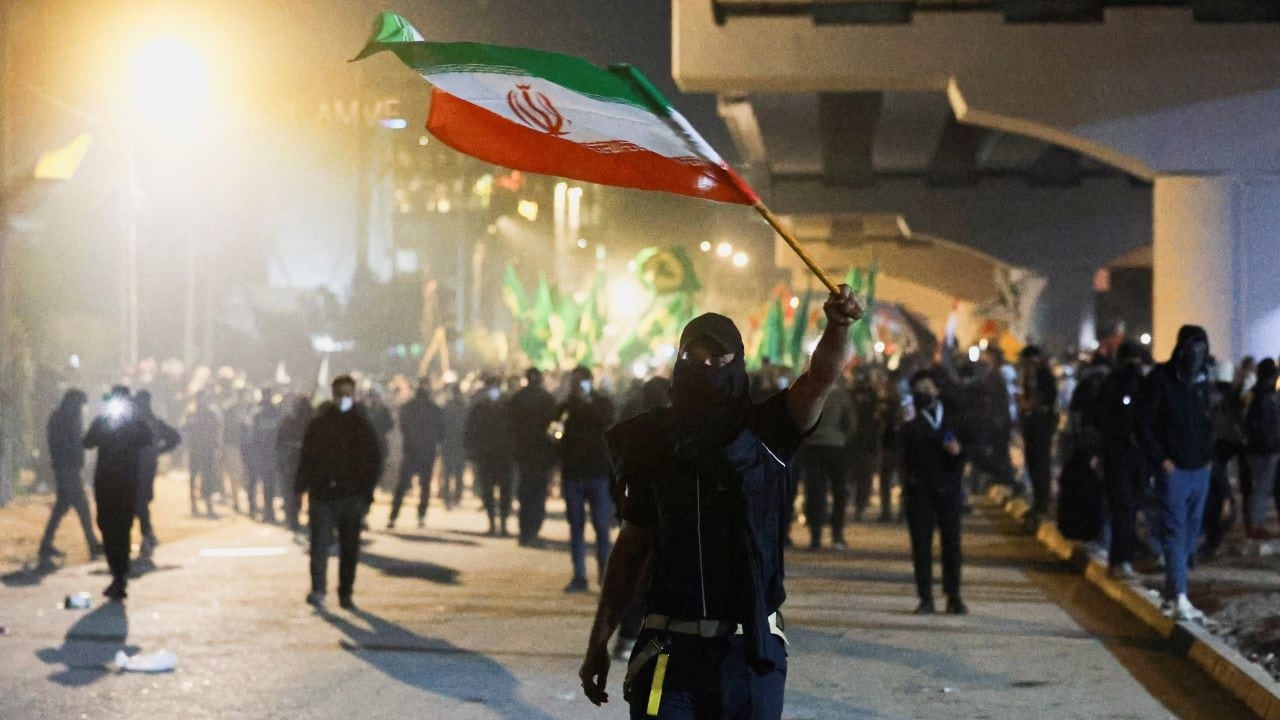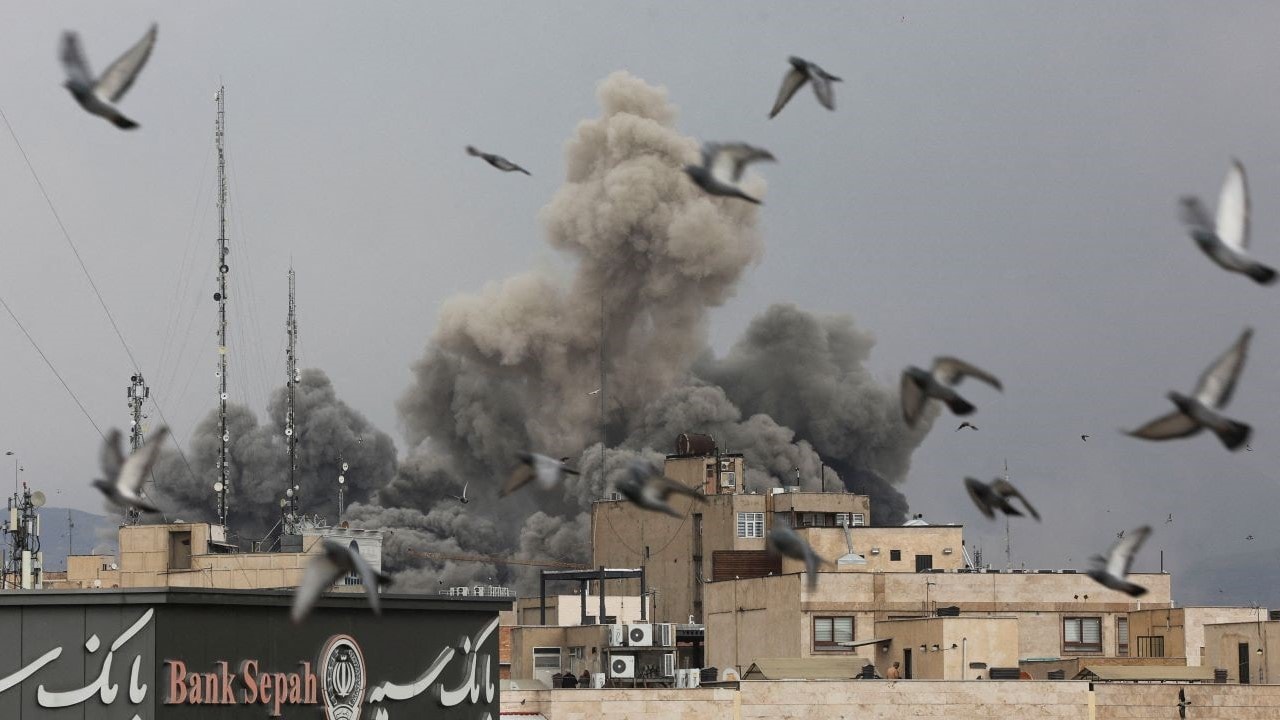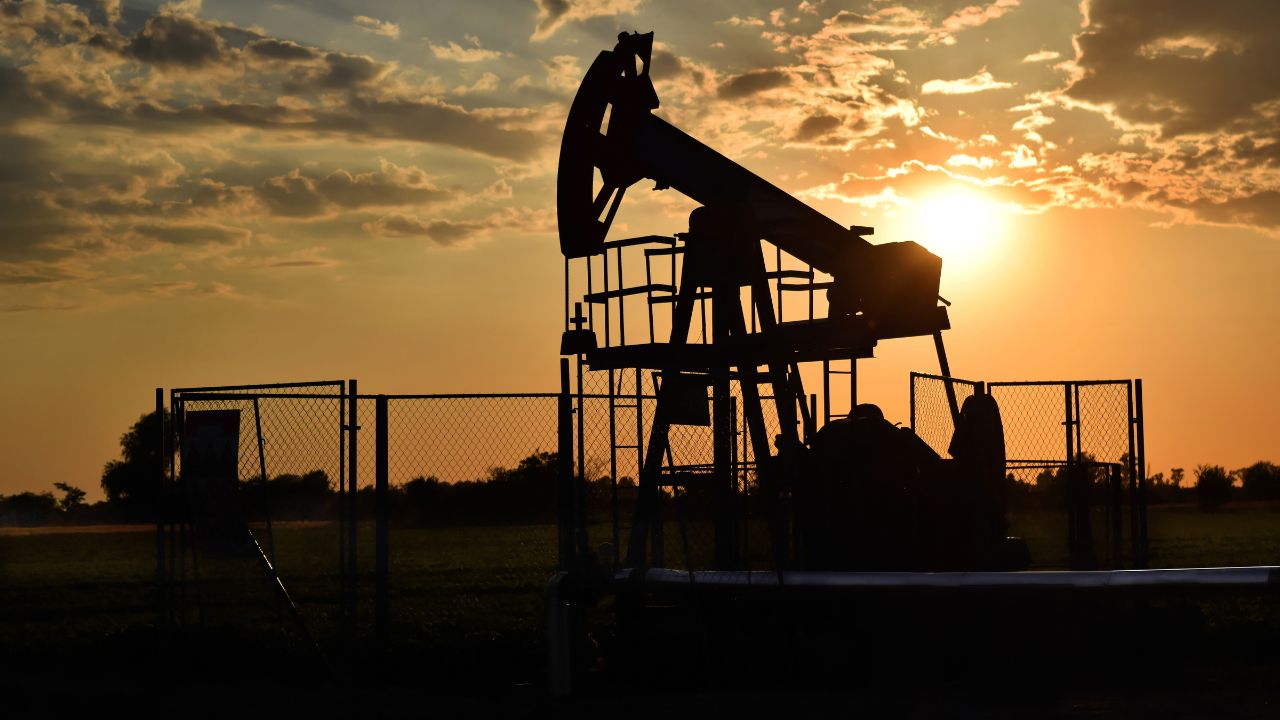
The Strait of Hormuz functions as the singular carotid artery of the global energy market, a maritime chokepoint where geography dictates the sovereign risk of the world’s fastest-growing economies. While superficial analysis treats "supply disruption" as a monolithic event, the actual risk is a multi-layered failure of the logistical, financial, and physical systems that connect Middle Eastern crude and Liquified Natural Gas (LNG) to Asian ports. The exposure of major Asian economies—specifically China, India, Japan, and South Korea—is not merely a function of volume, but of a structural inability to diversify transit routes in the short term.
The Mechanics of Chokepoint Dependency
The Strait of Hormuz is approximately 21 miles wide at its narrowest point, with shipping lanes only two miles wide in each direction. This physical constraint forces roughly 20-21 million barrels of oil per day (bpd) and over 20% of global LNG through a highly monitored and militarized corridor. For Asian markets, this isn't just a supply chain issue; it is a fundamental threat to industrial baseload power and transport fuel security.
The Three Pillars of Vulnerability
Analysis of the "at-risk" status of Asian nations requires a breakdown into three distinct categories:
- Import Concentration Ratios: The percentage of total domestic consumption sourced specifically from Persian Gulf suppliers (Saudi Arabia, Iraq, UAE, Kuwait, and Qatar).
- Strategic Petroleum Reserve (SPR) Runway: The calculated number of days a nation can sustain its economy using only domestic stockpiles in the event of a total maritime blockade.
- Substitution Elasticity: The technical and economic capacity of a nation's refinery infrastructure to process non-Middle Eastern crude grades (e.g., switching from Arab Light to West Texas Intermediate or Brent).
Quantifying the Exposure: A Tiered Breakdown
The High-Exposure Tier: India and South Korea
India represents the most immediate point of failure in a Hormuz shutdown scenario. Unlike China, which possesses significant overland pipeline infrastructure, India’s energy security is almost entirely maritime-dependent. Approximately 60-65% of India’s crude imports pass through the Strait. The Indian refinery complex is heavily optimized for the "sour" crude grades typical of the Middle East. A sudden shift to "sweet" crudes from West Africa or the US would result in significant yield loss and potential equipment damage, creating a secondary internal supply crisis.
South Korea mirrors this risk but through a different lens. As a highly industrialized export economy, its energy intensity—the amount of energy used per unit of GDP—is among the highest in the world. With limited domestic resources and a reliance on the Middle East for nearly 70% of its crude, the South Korean "just-in-time" manufacturing model has zero tolerance for the 2-4 week lag time required to reroute tankers around the Cape of Good Hope.
The Scale Paradox: China’s Strategic Buffer
China is often cited as the most vulnerable due to its status as the world’s largest oil importer. However, this view ignores the Chinese "Belt and Road" diversification and its massive investment in the Strategic Petroleum Reserve. China’s vulnerability is mitigated by:
- The ESPO and Power of Siberia Pipelines: Direct overland supply from Russia bypasses maritime chokepoints entirely.
- The Gwadar Pipeline Projection: While not fully operational, the long-term strategy to move oil via Pakistan (CPEC) seeks to create a "Hormuz Bypass."
- Storage Capacity: Estimates suggest China holds over 90 days of net imports in its SPR, a volume that dwarfs the reserves of its regional neighbors.
The Inelastic Demand of Japan
Japan represents the most rigid vulnerability. Despite aggressive pivots toward nuclear restarts and renewables, Japan still relies on the Middle East for roughly 90% of its crude oil. The Japanese risk profile is further complicated by its dependence on Qatari LNG. Unlike oil, which can be stored relatively easily in large quantities, LNG storage is technically demanding and limited by "boil-off" rates. A disruption in the Strait would trigger an immediate spike in Japanese electricity prices, leading to industrial curtailment within days, not weeks.
The Cost Function of Rerouting
When the Strait of Hormuz is threatened, the market reacts through two primary mechanisms: the "War Risk Premium" in insurance and the "Transit Lag" in physical delivery.
Insurance and Freight Volatility
A blockade or a series of kinetic strikes on tankers triggers the "War Risk" clause in maritime insurance contracts. Premiums can jump from 0.02% of ship value to over 0.5% in a single week. For a Very Large Crude Carrier (VLCC) carrying 2 million barrels, this adds millions of dollars to the "landed cost" of the oil before it even reaches the refinery. These costs are invariably passed to the consumer or absorbed by state-owned enterprises, straining national budgets.
The Cape of Good Hope Alternative
The only viable alternative to the Strait is the circumnavigation of Africa. This adds approximately 10 to 15 days to the voyage from the Persian Gulf to North Asia. The impact is a massive "supply float" disruption. Even if production continues, the global fleet of tankers is not sized to handle a 50% increase in voyage duration for a fifth of the world’s oil. This creates a functional shortage characterized by "tanker bunching" and port congestion once the delayed vessels finally arrive.
The Relationship Between Refining Complexity and Resilience
A critical factor often missed in high-level research is the "Assay Constraint." Not all oil is the same. Middle Eastern crudes are generally medium-to-heavy and sour (high sulfur). Asian refineries—particularly those in India and China—have spent decades and billions of dollars optimizing their "coker" and "hydrocracker" units to process this specific chemical profile.
If the Strait of Hormuz closes, Asian buyers must look to the Atlantic Basin (US, Guyana, Nigeria). These crudes are "light and sweet." While seemingly "better," they are incompatible with the specific pressure and temperature settings of many Asian refinery configurations. This creates a technical bottleneck: even if Asian countries find alternative oil, they may lack the specific refining capacity to turn it into gasoline or jet fuel at the required scale.
Strategic Mitigations and the Limitations of Policy
Governments have attempted to insulate themselves through three primary strategies, each with inherent flaws.
1. Strategic Petroleum Reserves (SPR)
The gold standard for energy security. However, the cost of maintaining an SPR is immense. It requires billions in capital tied up in "dead" inventory and massive underground salt caverns or tank farms. For developing nations like India, the opportunity cost of this capital is a constant friction point for the treasury.
2. Upstream Diversification
Investing in oil fields in Brazil, Guyana, and the United States. While this secures the right to the oil, it does not solve the logistics of getting it to Asia. In a global crisis, "owned" oil in the Atlantic is still subject to global price spikes and shipping shortages.
3. The LNG Pivot
Many Asian nations are moving from coal to gas to meet emissions targets. This inadvertently increases their Hormuz exposure, as Qatar remains the primary low-cost producer. The lack of a global, interconnected pipeline network for gas makes LNG ships the only option, and those ships must pass through the same 21-mile-wide gap as the oil tankers.
The Escalation Ladder
The probability of a permanent closure of the Strait of Hormuz is low, given the catastrophic impact on the global economy, including the exporters themselves. However, "Grey Zone" tactics—mine-laying, drone strikes, or temporary seizures—create a state of permanent volatility. This "Hormuz Tax" is already baked into the long-term planning of Asian energy firms.
The critical threshold for Asian economies is the 30-day mark. Most private refiners hold 15-20 days of operational stock. If a disruption exceeds one month, the crisis shifts from a price shock to a physical rationing event. At this stage, the "Strategic" reserves become the only source of fuel for emergency services and military operations, effectively freezing the civilian economy.
To navigate this structural vulnerability, Asian state actors must move beyond simple stockpiling and toward a "Refinery Flexibility" mandate. This involves investing in secondary processing units capable of handling a wider range of global crude assays, effectively decoupling the refinery from its geographical dependence on Persian Gulf chemistry. Simultaneously, the development of regional "Energy Swap" agreements between Japan, South Korea, and China—despite political tensions—would allow for the pooling of reserves to mitigate localized shortages. The focus must shift from securing the route to diversifying the molecule.