The Strait of Hormuz is no longer a shared global commons; it has been functionally converted into a sovereign toll zone where the currency is political alignment rather than international law. As of March 2026, the traditional naval doctrine of "Freedom of Navigation" has been superseded by a bifurcated transit model. While the Trump administration utilizes kinetic force to "obliterate" Iranian military infrastructure on Kharg Island, the global energy market has decoupled from Washington’s security umbrella. Sovereign buyers are now bypassing the escalating conflict through direct, bilateral "safe passage" protocols with Tehran, effectively neutralizing the leverage of U.S. sanctions through a mechanism of selective permeability.
The Mechanism of Selective Permeability
The collapse of maritime traffic in the Strait—down 94.2% since the initiation of "Operation Epic Fury" on February 28, 2026—is not a universal blockade. It is a filtered disruption. Iran’s strategy relies on a binary classification of hulls:
- Hostile/Sanctioned Hulls: Vessels linked to U.S., Israeli, or NATO interests face a "kill zone" environment characterized by GPS jamming, submerged sea mines, and high-velocity drone swarms.
- Aligned/Negotiated Hulls: Vessels from "friendly" jurisdictions, primarily China and certain Indian refineries, are granted documented or implicit immunity.
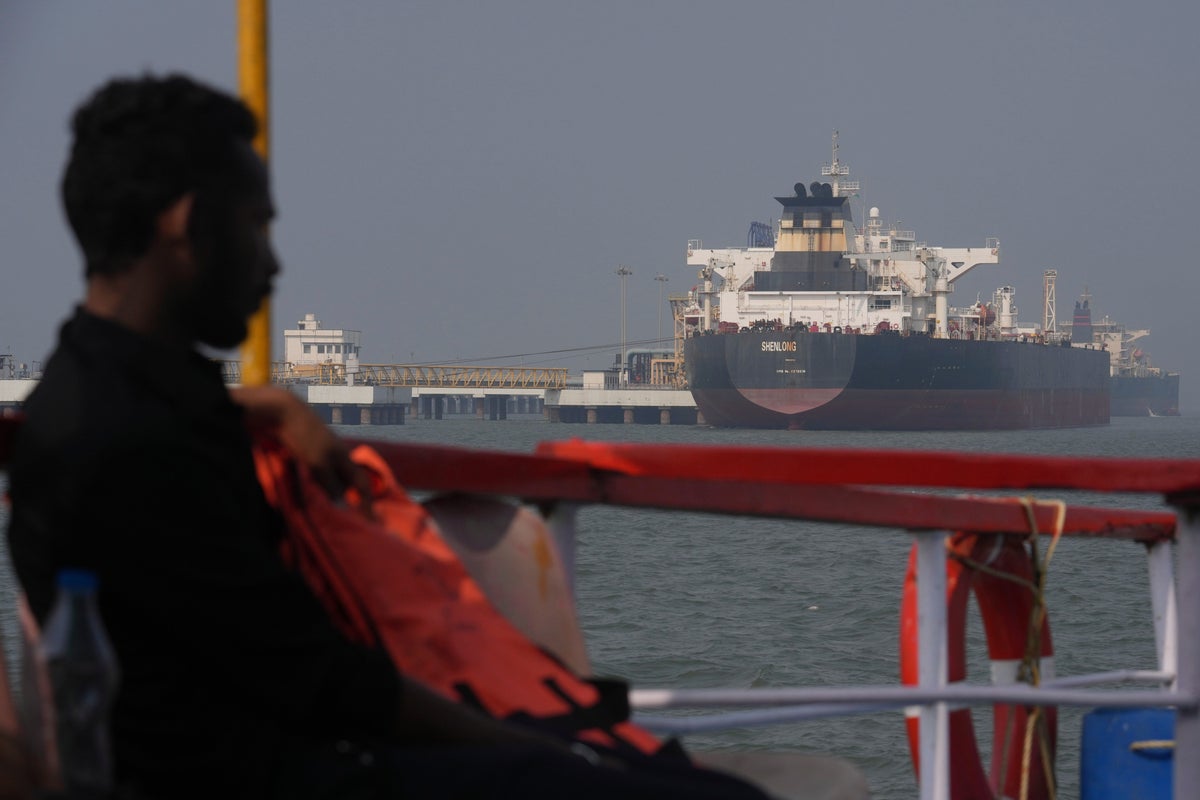
This creates a high-stakes arbitrage. By allowing Chinese-owned tankers to transit while targeting others, Iran has forced a "De Facto Recognition" of its authority over the waterway. This is not merely a military maneuver; it is a sophisticated economic product. Iran is selling "security" to a global market that the U.S. Navy can currently only offer "escorts" for—a service U.S. Energy Secretary Chris Wright admitted the fleet is not yet equipped to scale.
The Cost Function of Maritime Risk
The primary obstacle to reopening the Strait is not the physical presence of the Iranian Navy, which the U.S. claims is "90% neutralized," but the Insurance-Risk Feedback Loop.
- War Risk Premiums: In early March 2026, Protection and Indemnity (P&I) clubs withdrew standard war risk coverage for the Strait.
- The Valuation Gap: With Brent crude peaking at $126 per barrel, the loss of a single Very Large Crude Carrier (VLCC) represents a $250 million cargo loss plus the hull value.
- The Shadow Fleet Premium: Because the "Shadow Fleet"—comprising over 300 aging tankers with obscured ownership—operates without Western insurance, they are the only vessels capable of absorbing the risk of Iranian "permission-based" transit.
This creates a paradox: U.S. "Maximum Pressure" is designed to bankrupt the Iranian regime by stopping oil flow, yet the resulting violence has made the high-cost, high-risk Shadow Fleet the only viable delivery mechanism for the region’s oil. This effectively hands the keys of the global energy supply to the very illicit networks the U.S. Department of State sought to dismantle via Executive Order 13846.
Structural Bypasses: The New Energy Geography
The inability of the U.S. to guarantee safe passage has accelerated the development of infrastructure that renders the Strait of Hormuz less "pivotal" over a 10-year horizon, but more volatile in the immediate term.
The Jask-Goreh Backdoor
Iran’s completion of the Goreh-Jask pipeline allows it to move crude to the Port of Jask, located outside the Strait in the Gulf of Oman. This provides Tehran with a "strategic exit" that it can keep open for its own exports while maintaining a total blockade on the inner Persian Gulf for rivals like Kuwait and the UAE.
The Red Sea Pivot
Saudi Arabia has responded by shifting its export weight to the Port of Yanbu on the Red Sea. In March 2026, crude departures from Yanbu reached a 12-month high of 5 million barrels per day. However, this shift only moves the bottleneck to the Bab el-Mandeb strait, which remains vulnerable to proxy disruption, creating a "chained chokepoint" vulnerability.
The Failure of Naval Convoy Logic
The Trump administration’s proposal for an international naval task force—reminiscent of 1987’s Operation Earnest Will—faces a fundamental technical mismatch. In the 1980s, the threat was conventional anti-ship missiles and naval mines. In 2026, the threat is Asymmetric Saturation:
- Reaction Windows: Transit lanes in the Strait are as narrow as 3 miles from the Iranian coast. Missile flight times are under 120 seconds.
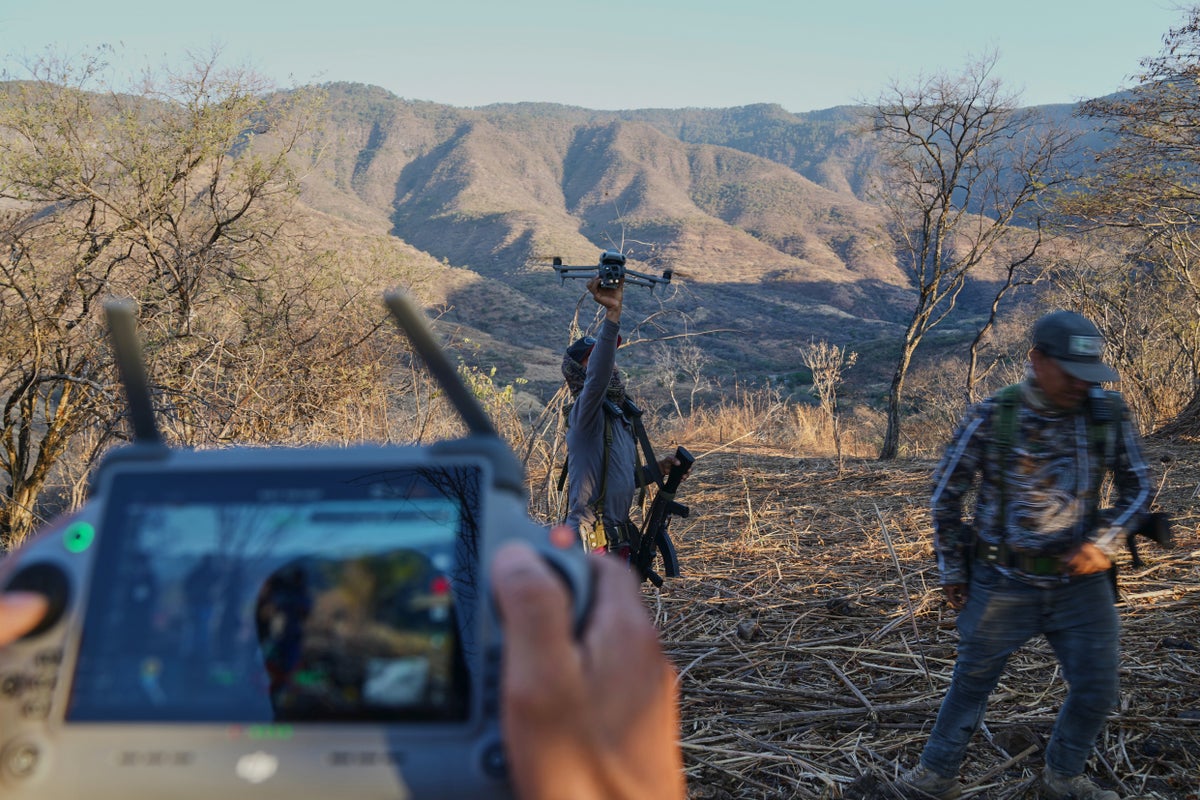
- Cost Imbalance: A $2 million interceptor missile from a U.S. Destroyer is used to down a $20,000 Iranian "suicide" drone.
- Mine Proliferation: Autonomous mine-hunting systems deployed by the U.K. are slow and methodical. Iran can seed a minefield in hours that takes weeks to clear.
The second limitation of the "Escort Strategy" is the Legal Liability Gap. If a U.S.-escorted tanker is struck, the environmental and financial liability remains with the shipowner, not the U.S. Navy. Without a sovereign guarantee of indemnification—which the White House has hinted at but not codified—commercial shipowners will continue to choose the "Iran Deal" over the "U.S. Escort."
The Strategic Play
The current trajectory indicates that the U.S. cannot "bomb its way" to an open Strait without a sustained, multi-year occupation of the Iranian coastline—a prospect that conflicts with the "America First" withdrawal doctrine.
The Strategic Action:
For global energy stakeholders, the play is no longer "waiting for the Strait to open." It is the aggressive diversification of transit modalities. This includes:
- Immediate 60-day Jones Act waivers to allow foreign-flagged vessels to stabilize domestic U.S. coastal supply.
- The formalization of "Energy Corridors" that bypass Hormuz via Saudi and Emirati land-bridge pipelines to the Arabian Sea.
- A shift in sanctions enforcement from "Ship Seizure" (Operation Southern Spear) to "Enabler Neutralization," targeting the UAE and Turkish-based ship managers who provide the technical "dark" infrastructure for the shadow fleet.
The Strait of Hormuz is currently a "Nuclear Option" in the figurative sense: its closure has achieved the same decoupling of the U.S. from its allies as a weapon of mass destruction might, not through fallout, but through the cold, hard logic of the global insurance market.
Would you like me to analyze the specific impact of the Jones Act waiver on U.S. domestic fuel prices compared to the Hormuz supply shock?
.jpg?width=1200&auto=webp&trim=0%2C100%2C0%2C100)