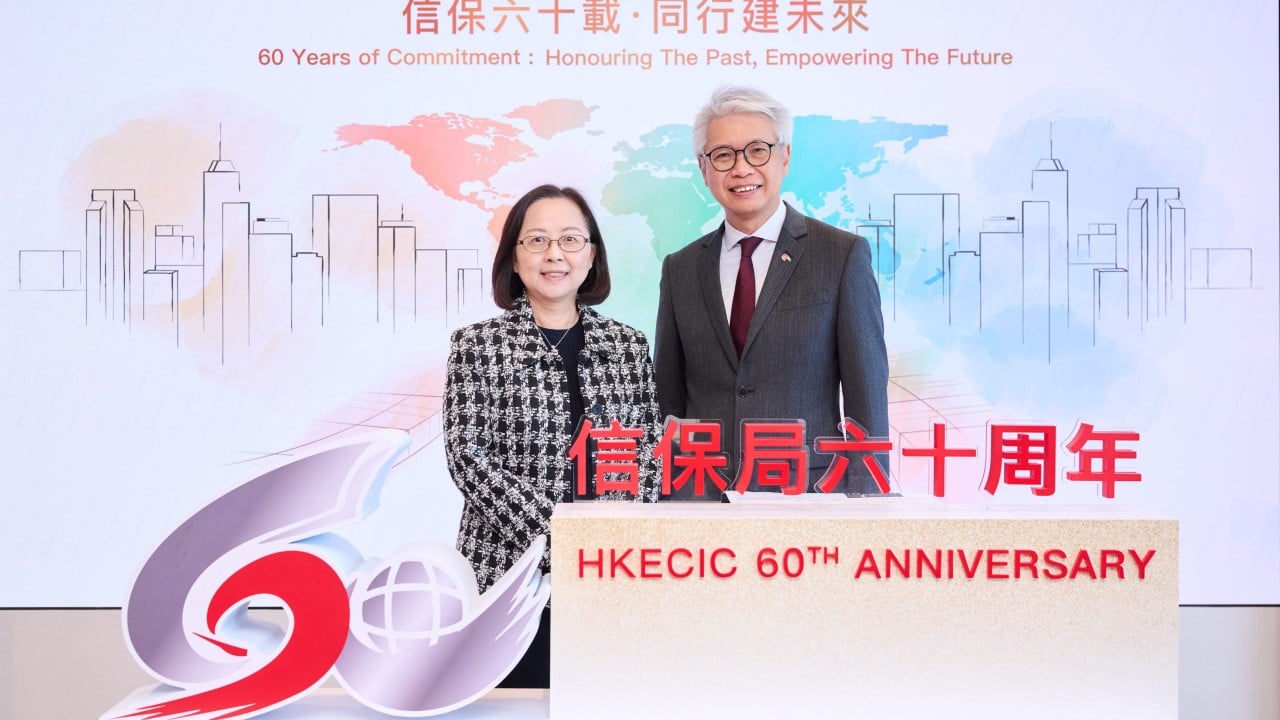
Hong Kong exporters are freaking out about the Middle East, and frankly, they have every right to be. When missiles fly and shipping lanes in the Red Sea turn into a giant game of dodgeball, the first thing you expect is for insurance costs to go through the roof. That’s how the world works. Risk goes up, price goes up. But the Hong Kong Export Credit Insurance Corporation (HKECIC) just flipped the script. They’re keeping their premium rates steady and even rolling out new support measures. It feels like a glitch in the matrix, but it’s actually a calculated move to keep the city’s trade engine from seizing up.
If you’re shipping toys to Dubai or electronics to Riyadh, you’re probably looking at your bottom line and wondering if the next invoice will kill your margin. The short answer? Not if you’re using the state-backed insurer. While private insurers are scrambling to adjust their risk models and hiking rates for anything touching a "war zone," the HKECIC is acting as a shock absorber. This isn't charity. It’s a strategic play to ensure that small and medium enterprises (SMEs) don’t just quit the market because they’re scared of a sudden "force majeure" event.
The Reality of Middle East Trade Risks Right Now
The tension isn't just a headline. It’s a logistics nightmare. We’re seeing ships rerouting around the Cape of Good Hope, adding weeks to delivery times and sending freight costs into the stratosphere. When goods take longer to arrive, the "payment cycle" stretches. That’s where the real danger lies. It isn't just about a cargo container getting lost; it’s about the buyer on the other end claiming they can't pay because the market shifted while the ship was meandering around Africa.
Most people think export credit insurance is just for when a buyer goes bankrupt. That’s a mistake. In the current climate, the bigger threat is "protracted default" or "political risk." If a government suddenly imposes new exchange controls or if a port closes due to conflict, you’re stuck. The HKECIC knows this. By keeping premiums low, they’re basically telling Hong Kong businesses to keep hunting for orders in the Gulf, even when the news looks grim.
They’ve also bumped up their statutory maximum liability. We’re talking about a jump to HK$80 billion. That’s a massive safety net. It means the government is putting its money where its mouth is, providing a level of "capacity" that the private market just can't match right now. When private reinsurers pull back, the HKECIC steps forward.
Why Small Businesses Get the Best Deal
SMEs are usually the ones who get crushed when global politics goes sideways. They don’t have the cash reserves to eat a 30% hike in insurance premiums. The HKECIC’s "Small Business Policy" (SBP) is specifically designed for companies with an annual turnover of less than HK$50 million. If you fall into this camp, you get more than just low rates. You get a waiver on policy fees and discounts on premiums.
I’ve seen plenty of traders try to self-insure. They think they know their buyers. They’ve done business with "Ali in Abu Dhabi" for ten years, so they think he’s good for the money. Then a regional conflict happens, Ali’s local currency devalues, and suddenly he can’t settle the US dollar invoice. Without insurance, that’s a company-ending event for a Hong Kong SME. The current move by the HKECIC to keep the "Small Business Policy" accessible is a direct response to this specific vulnerability. They’re making it almost irresponsible not to have coverage.
Beyond the Premium Rates
It’s not just about the cost of the insurance; it’s about the speed of the payout and the flexibility of the terms. The HKECIC has been leaning into digital tools to speed up credit checks. In a fast-moving conflict, you can't wait three weeks for a credit limit approval on a new buyer in Jordan. You need to know now if you can ship.
The insurer is also offering a "free credit check" service for several buyers. This is a massive hidden value. Usually, getting a deep dive into a foreign company’s financials costs a few thousand dollars. Getting that for free allows you to vet new customers in emerging markets without spending a dime of your own capital. It’s a "try before you buy" model that makes expanding into risky territory a whole lot smarter.
Moving Forward and Protecting Your Trade
The Middle East is a huge market for Hong Kong. We’re talking about everything from high-end electronics to daily consumer goods. With the HKSAR government pushing the "Belt and Road" narrative, we’re seeing a lot of political capital being spent to build these trade corridors. The HKECIC’s decision to maintain low premiums is just the financial plumbing for that diplomacy. If you’re a Hong Kong exporter, you have to take advantage of this. Don't wait for your private insurer to send you a 15% rate hike.
Check your current policy. If you’re an SME, see if you qualify for the specific "Small Business Policy" under the HKECIC. It’s almost always cheaper than the "comprehensive" policy for smaller players. Then, look at your credit limits. If you’ve got orders coming in from the Gulf, ask the HKECIC to review those limits before you sign the contract. They’re being more aggressive with their approvals right now to keep the trade flowing. Finally, use their "Easy Export" portal to submit your shipments immediately. In a war-torn or high-tension region, every day you wait to declare a shipment is a day you’re not covered. Get your paperwork in, lock in the low premium, and focus on the sales, not the sirens.