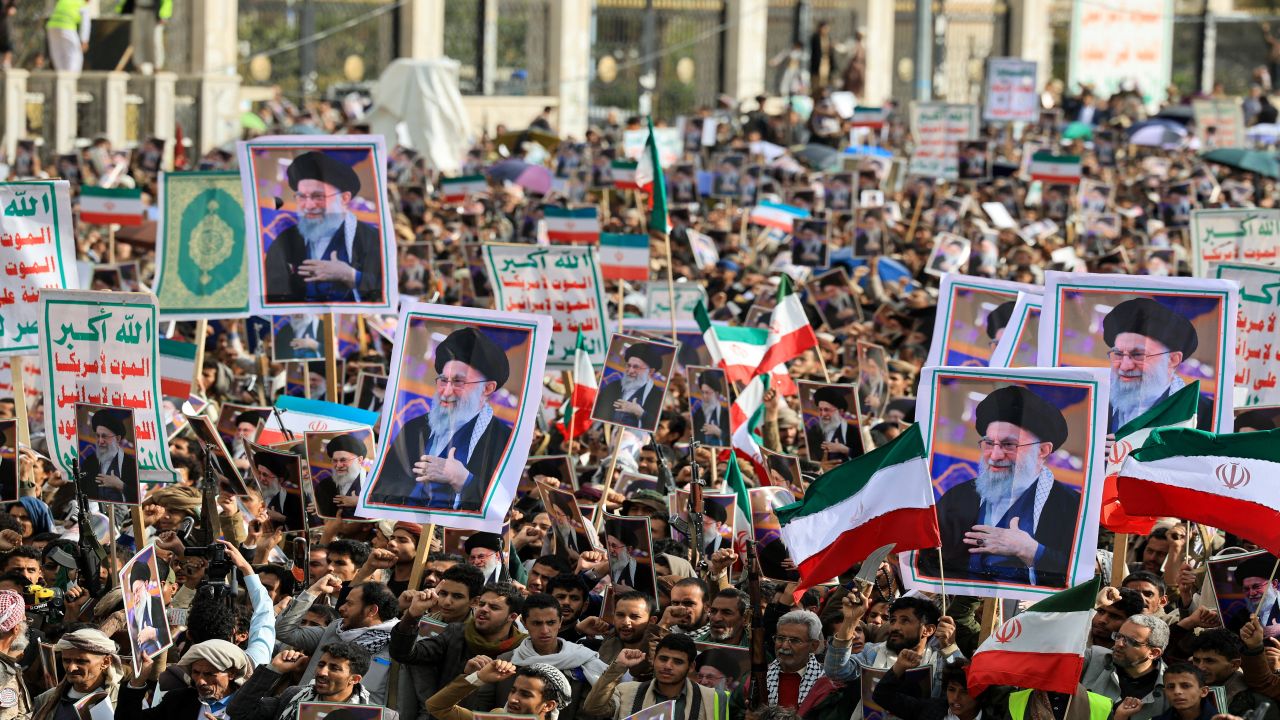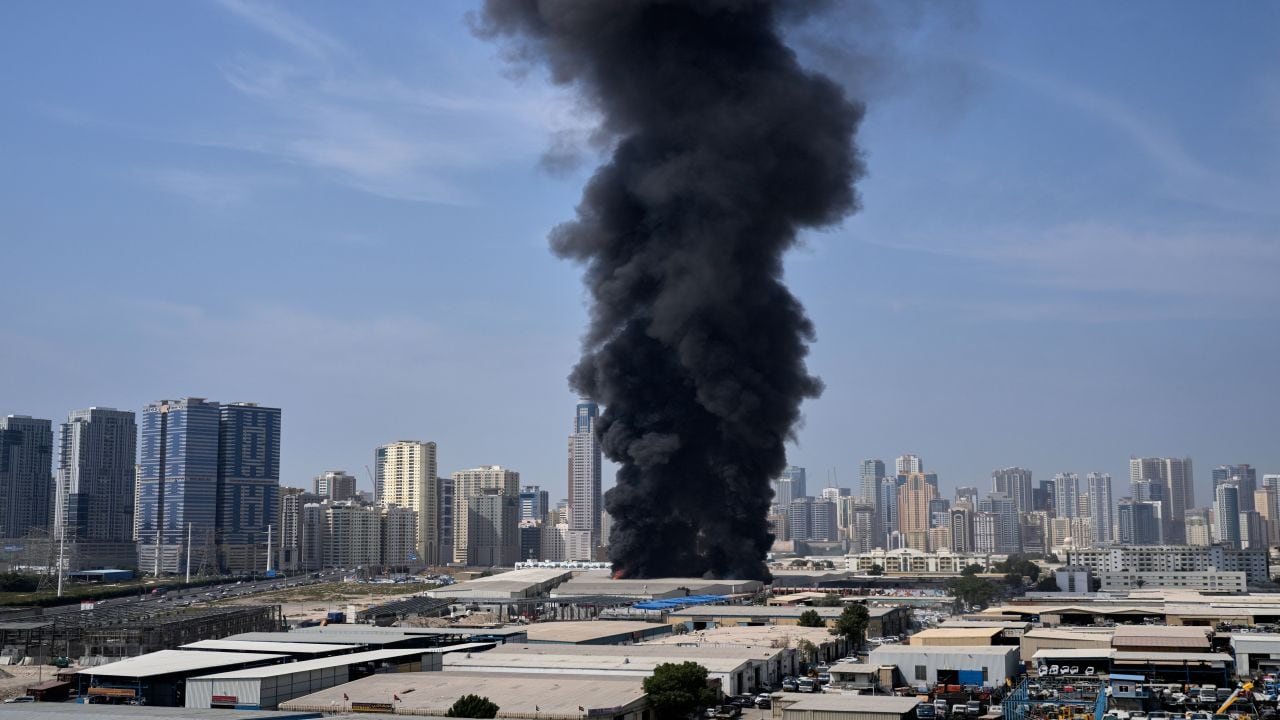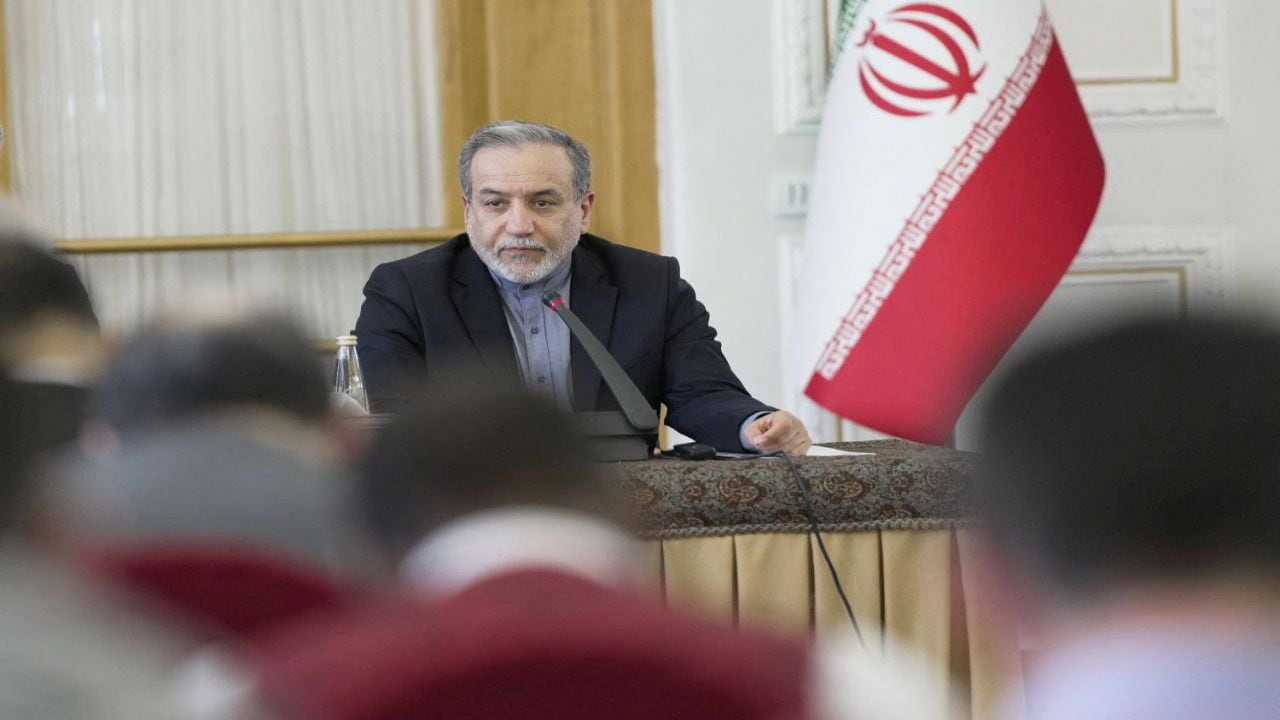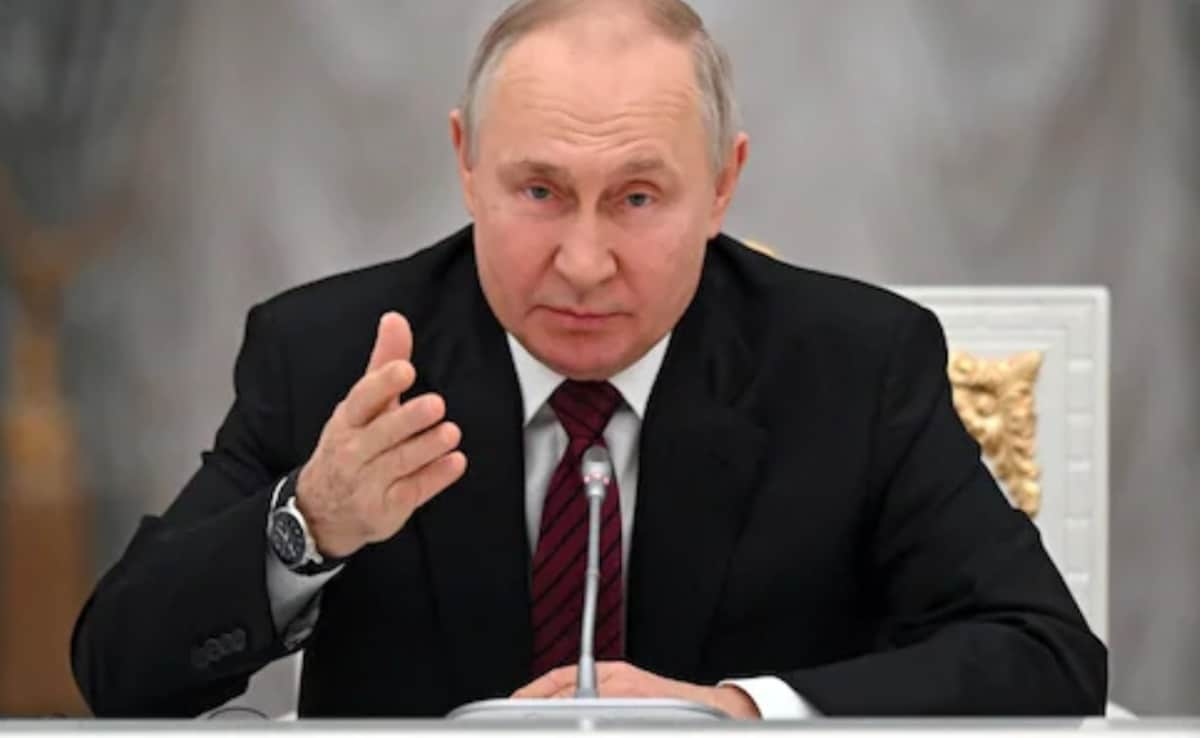
The assassination of Ali Khamenei represents a catastrophic failure of the Westphalian system, signaling a transition from gray-zone operations to overt decapitation strikes against sovereign heads of state. This event does not merely disrupt regional stability; it recalibrates the global risk threshold for high-value target (HVT) elimination. Vladimir Putin’s characterization of the act as a "cynical violation of morality and international law" serves a dual purpose: it reinforces the Russian doctrine of "indivisible security" while establishing a legalistic pretext for future reciprocal actions. The significance of this rhetoric lies not in its moral posturing but in its identification of a systemic breakdown in the norms that previously governed state-on-state conflict.
The Tripartite Framework of Russian Condemnation
Russian foreign policy responses to external shocks are rarely reactive; they are calculated components of a broader legal and tactical defense. Putin’s critique operates across three distinct logic gates:
1. The Legalistic Barrier
By invoking international law, Moscow highlights the erosion of Article 2(4) of the UN Charter, which prohibits the threat or use of force against the territorial integrity or political independence of any state. The assassination of a supreme leader is categorized by Russia not as a counter-terrorism measure, but as an act of aggression. This distinction is vital. If the international community accepts the extrajudicial killing of a head of state, the legal immunity of all leaders—including those in the Kremlin—is effectively nullified. Russia views this as a "legal contagion" that must be quarantined through aggressive diplomatic rhetoric.
2. The Morality of Stability
The reference to "morality" in Putin’s statement is a strategic use of normative language to court the Global South. In this context, morality is synonymous with "order." Russia posits that the highest moral good in geopolitics is the prevention of vacuum-induced chaos. The assassination creates a power void in a nuclear-capable or threshold state, which, from a realist perspective, is the ultimate geopolitical sin. Moscow’s argument is that the "cynical" nature of the hit lies in its disregard for the secondary and tertiary consequences—refugee flows, civil war, and the radicalization of the IRGC’s remaining leadership.
3. The Reciprocity Principle
The most significant underlying mechanism is the threat of "equivalence." By labeling the strike a violation of international law, Putin creates a justification for Russia to bypass similar norms in its own theaters of operation. This is a signaling exercise: if the "Rules-Based International Order" (a term Moscow frequently derides) allows for the liquidations of high-ranking officials, then Russia considers itself liberated from the constraints of sovereign sanctity in its "near abroad."
The Structural Breakdown of the Assassination’s Impact
The removal of Khamenei triggers a cascade of structural shifts that move beyond simple leadership succession. We must analyze these through the lens of institutional inertia and power asymmetry.
The Chain of Command Paradox
In highly centralized autocracies, the Supreme Leader functions as the ultimate arbiter between competing domestic factions—specifically the regular military (Artesh), the ideological guard (IRGC), and the clerical establishment. The removal of this arbiter creates a "friction cost" in every state decision.
- Intelligence Latency: During the transition, decision-making cycles slow down as remaining leaders prioritize internal survival over external strategy.
- Response Elasticity: The ability of the state to calibrate its retaliation becomes brittle. Responses are likely to be either hyper-aggressive (to prove strength) or paralyzed (due to lack of clear authority).
The Geopolitical Risk Vector
For Russia, Iran is a critical node in the "North-South Transport Corridor" and a primary supplier of tactical military hardware. The assassination threatens the reliability of this supply chain. If Iran descends into internal power struggles, the export of Loitering Munitions (drones) and ballistic technology to Russian fronts could face logistical bottlenecks. Putin’s condemnation is, therefore, an attempt to stabilize his own supply chain by signaling support for the incumbent regime’s continuity.
Deconstructing the "Cynical" Label
When Putin utilizes the term "cynical," he is pointing to a perceived hypocrisy in Western foreign policy. The analytical core of this argument is the "Universalist vs. Particularist" divide.
The Western perspective often treats such assassinations as particular exceptions—necessary actions against "rogue actors." Russia enforces a universalist interpretation: a rule is either a rule for everyone, or it does not exist. By highlighting this cynicism, Russia aims to delegitimize the United States' role as a global hegemon. The logic follows that if the hegemon can choose when international law applies, then the law is merely a tool of power, and other states are justified in building a multipolar alternative to escape that unpredictability.
Tactical Consequences and the Escalation Ladder
The assassination shifts the conflict from a "War of Attrition" to a "War of Personal Survival." This has three immediate tactical consequences for global security:
- Hardened Hardening: Non-Western leaders will likely increase their investment in deep-buried command and control (C2) infrastructure and decouple their personal security from digital networks susceptible to Western signals intelligence (SIGINT).
- Asymmetric Reciprocity: Since Russia or Iran cannot easily strike a high-ranking U.S. official in a symmetrical fashion, they will likely seek "horizontal escalation." This involves striking Western interests in theaters where the U.S. is vulnerable but not directly engaged, such as maritime corridors in the Red Sea or civilian infrastructure in Eastern Europe via cyber-kinetic means.
- The Death of Diplomacy: The assassination effectively kills the "Rational Actor" model of negotiation. When one side decides to eliminate the other's negotiator-in-chief, the incentive for diplomatic engagement hits zero. We are entering a period of "Maximum Friction" where the only communication is through kinetic force.
The Strategic Miscalculation of Decapitation
Consultancy frameworks often use the "Lindy Effect" to describe the longevity of ideas or institutions. The Iranian clerical-military complex has been optimized for 45 years to survive external pressure. A decapitation strike against an 80-year-old leader may provide a short-term tactical victory, but it fails to address the underlying institutional architecture of the IRGC.
The IRGC functions as a "distributed network" rather than a "pyramidal hierarchy." In a distributed network, the removal of a central node often leads to the strengthening of peripheral nodes as they adapt to the loss. Russia recognizes this, having managed similar decentralized insurgencies. Putin’s statement reflects a belief that the strike was strategically "low-value" because it creates maximum chaos with minimum long-term institutional degradation.
The New Doctrine of Sovereign Risk
For analysts and strategists, this event necessitates a revision of the Sovereign Risk Matrix. Traditionally, risk was measured by GDP volatility, debt-to-equity ratios, or civil unrest. Now, we must include "Executive Survivability" as a core metric.
- Metric A: Kinetic Vulnerability: The geographic and technological exposure of a state's top leadership to stand-off precision strikes.
- Metric B: Succession Robustness: The clarity and speed of the legal and military transition process following an HVT loss.
- Metric C: External Dependency: The degree to which a leader’s survival is tied to the stability of regional alliances (e.g., the Russia-Iran-China axis).
The assassination of Khamenei proves that the "Sanctity of the Leader" is no longer a deterrent. This is the "cynicism" Putin is highlighting—the realization that the top tier of the escalation ladder has been reached.
Strategic Recommendations for State and Corporate Actors
The transition to a post-Khamenei regional reality requires a total pivot in risk management.
- Decouple Operations from Single-Point Authorities: Organizations operating in the Middle East must assume that state-level agreements made with the previous leadership are now void or subject to aggressive renegotiation by rising IRGC factions.
- Audit SIGINT and Physical Security Silos: The precision of the strike indicates a catastrophic breach of Iranian internal security. For entities aligned with the "East," this necessitates a purge of Western-sourced hardware and software at the highest levels of C2.
- Prepare for the "Gray Zone" Expansion: Expect Russia to facilitate the transfer of advanced anti-access/area-denial (A2/AD) systems to Iranian proxies as a "cost-imposing" measure against the West. This is the functional application of Putin’s "law and morality" rhetoric—if the law is broken, the tools of war will be distributed without restraint.
The global security architecture is no longer in a state of decay; it has entered a state of active demolition. Putin’s response is the opening brief in a long-term legal and kinetic defense of the "Sovereign Exception." The next move will not be a diplomatic protest, but a calibrated demonstration of what happens when the "morality of order" is discarded for the "cynicism of the strike." Move all assets into a high-readiness posture; the period of predictable escalation is over.