Don't blame the clothes. If you're looking at the latest Gap Inc. numbers and wondering why the momentum seems to have frozen over, you only need to look at the thermostat. Retailers usually love a cold snap because it moves coats and sweaters, but there’s a tipping point where the weather stops being a sales driver and starts being a wrecking ball.
In January 2026, Gap Inc. hit that wall. Hard.
The company just wrapped up its fiscal fourth quarter, and the headline is a bit of a gut punch for investors who were riding the "Richard Dickson turnaround" high. At the height of the recent historic winter storms, Gap was forced to temporarily shutter roughly 800 stores. We aren't just talking about a few boutique locations in Vermont. This was a massive, cross-brand disruption that knocked the wind out of Old Navy and the namesake Gap brand right when they were supposed to be clearing holiday inventory.
The Cold Hard Numbers Behind the Freeze
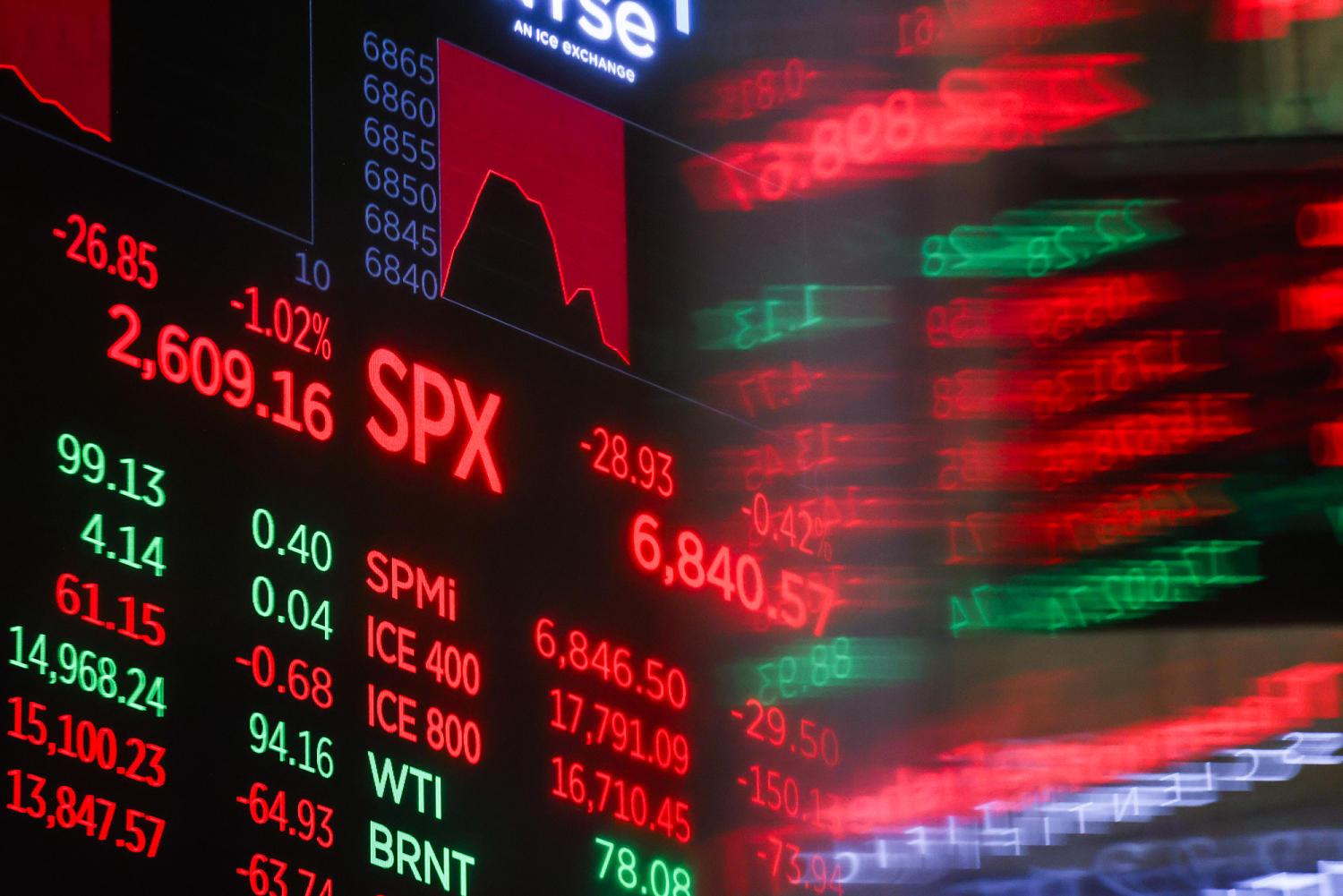
Wall Street isn't known for being sentimental about snow days. When the earnings report dropped, the stock took a dive, sliding as much as 13% in the aftermath. The frustration comes from the fact that the company actually met revenue expectations at $4.24 billion, but the quality of those earnings was "messy," to put it lightly.
Net income for the quarter landed at $171 million, which is a significant step back from the $206 million they pulled in during the same period last year. Earnings per share (EPS) hit **$0.45**, missing the consensus of $0.46 by a penny. In the world of high-stakes retail, that penny represents a lot of missed opportunities at the cash register.
What's more telling is the margin compression. Gross margin fell to 38.1%, an 80-basis-point drop. While the storms kept people home, the company was also battling a 200-basis-point headwind from tariffs. It's a classic "rock and a hard place" scenario: global trade costs are rising while local weather is literally locking the doors.
Old Navy's Miss and the Gap Brand's Surprising Strength
Old Navy is the engine that hauls the Gap Inc. train. When it coughs, the whole company catches a cold. This quarter, Old Navy’s comparable sales grew by 3%. On its own, that’s not terrible—it’s actually the fifth straight quarter of growth. But it missed the 4.3% growth that analysts were banking on.
When your flagship brand underdelivers, people notice. The storms hit Old Navy particularly hard because of its massive physical footprint in suburban power centers—places where a foot of snow doesn't just discourage shopping; it makes it impossible.
Interestingly, the namesake Gap brand was the star of the show. While everything else felt sluggish, Gap posted a 7% jump in comparable sales, obliterating the 4.6% estimate. This is the ninth consecutive quarter of positive comps for the brand. It seems the "reinvigoration playbook" Dickson has been preaching is actually working for the label that bears the company's name. They’re winning over younger shoppers and finding a weirdly successful rhythm in their collaborations and core basics.
The Tale of the Tape: Brand Performance Q4 2025
- Gap Brand: +7% comparable sales (The clear winner).
- Banana Republic: +4% comparable sales (Steady progress in the "quiet luxury" space).
- Old Navy: +3% comparable sales (Solid, but missed the mark).
- Athleta: -10% comparable sales (The absolute anchor).
Let’s talk about Athleta for a second. It’s becoming the problem child that won't listen. A 10% drop in same-store sales is brutal, especially when competitors in the "athleisure" space are still finding ways to grow. Leadership keeps saying they’re "rebuilding the brand for the long term," but that’s corporate-speak for "we still haven't figured out why people stopped buying our leggings."
Beyond the Weather: The Tariff Shadow
It’s easy to point at a blizzard and say, "That’s why we missed our numbers." CFO Katrina O'Connell was quick to point out that sales were trending much higher before the January freeze and recovered almost immediately after the clouds cleared. But the weather is a temporary excuse. Tariffs are a structural problem.
The 200-basis-point hit from tariffs is a massive weight on the merchandise margin. The company is trying to mitigate this through "strategic sourcing," basically moving production around like a giant game of Tetris to avoid the highest taxes. They expect the impact to be "net neutral" for the full year of 2026, but that’s an optimistic take in a very volatile trade environment.
The Billion-Dollar Vote of Confidence
If the leadership was truly panicked, they wouldn't be doing what they just did: authorizing a $1 billion share repurchase program.
This is a classic "ignore the noise" move. By committing a billion dollars to buy back their own stock, the board is telling the market that they believe the current share price is a bargain. They ended the year with $3 billion in cash, their healthiest position in nearly twenty years. They aren't struggling for liquidity; they’re struggling for consistency.
For the upcoming fiscal year (2026), the company is projecting revenue growth of 2% to 3%. It’s not "moon-shot" growth, but it’s a sign that they expect the turnaround to stay on track once the snow melts. They’re also bumping the dividend to $0.175 per share, a 6% increase. They want you to stay for the yield, even if the quarterly reports are a bit chilly.
The reality of retail in 2026 is that you can't control the climate, but you can control the inventory. Gap is much leaner than it was three years ago. They aren't sitting on mountains of unsold fleece like they used to. The fact that they survived 800 store closures and still posted positive comparable sales across three of their four brands suggests the foundation is actually quite strong.
If you're looking at your portfolio, don't get hung up on the January freeze. Watch Athleta. If Dickson can fix the activewear segment the way he’s started to fix the Gap brand, the company's "resilience" won't just be a buzzword—it'll be the bottom line. Check the upcoming Q1 guidance for any signs of margin recovery as the tariff-mitigation strategies start to kick in. That's where the real money will be made.