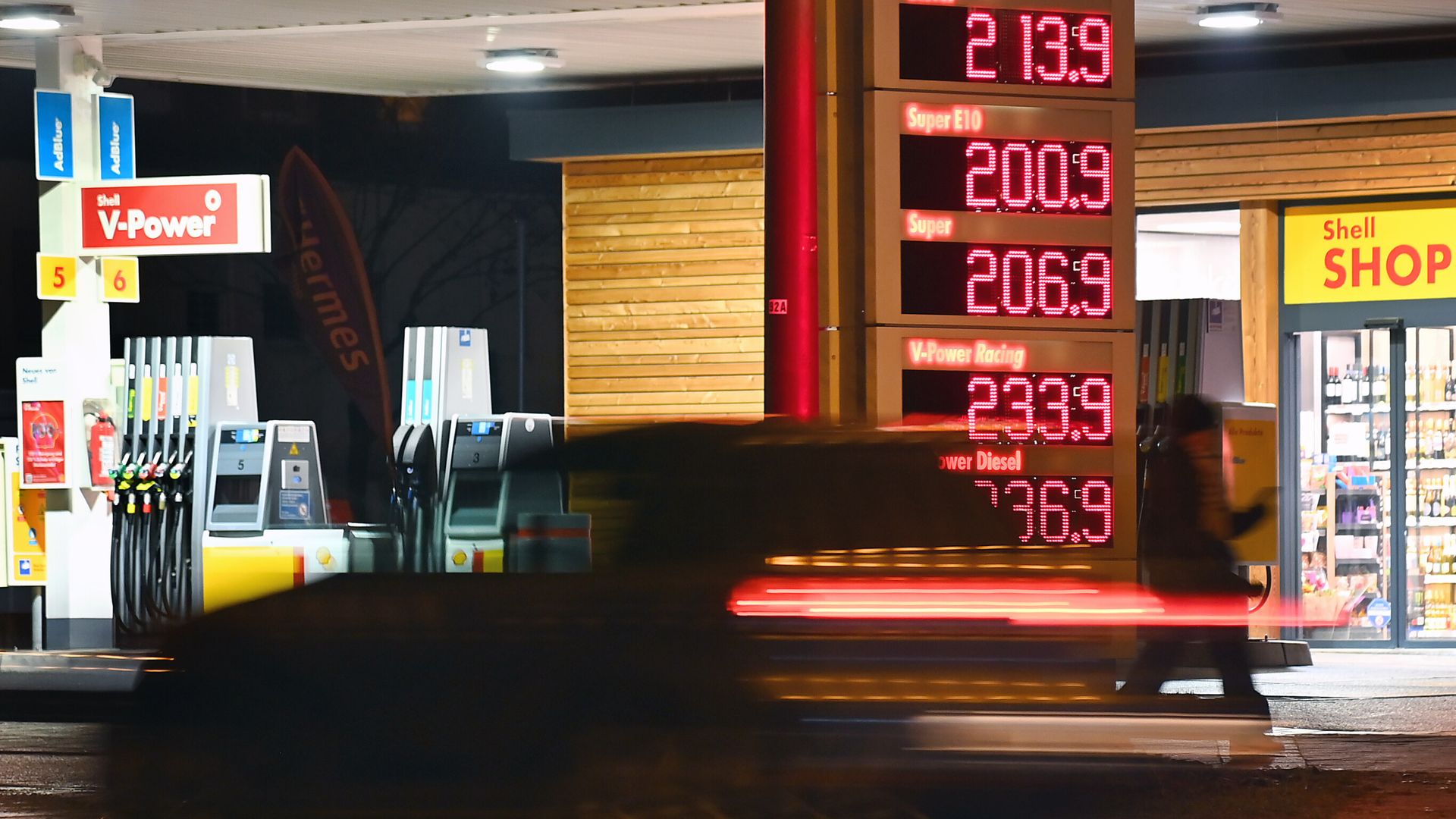
The Federal Reserve just sent a clear signal that the fight against inflation isn't over. While many hoped for a smooth ride toward lower interest rates, the escalating conflict in the Middle East has thrown a massive wrench into those plans. Central bank officials are now watching the rising cost of crude with genuine concern. It's not just about what you pay at the pump. It's about how energy costs seep into every single corner of the American economy.
We’ve seen this movie before. When geopolitical instability hits the Persian Gulf, energy markets react instantly. But this time, the stakes feel higher because the global supply chain is already stretched thin. The Fed's latest projections suggest that if oil prices stay elevated due to the tensions between Israel, Iran, and their neighbors, the timeline for reaching that "magic" 2% inflation target is going to shift significantly.
The direct link between crude and your wallet
Most people think inflation is just about grocery prices or rent. Those are huge, sure. But energy is the "master resource." When the price of a barrel of Brent crude jumps, it doesn't just stay at the refinery. It shows up in the cost of shipping a plastic toy from overseas. It shows up in the electricity bill of a manufacturing plant in Ohio. It shows up in the price of a flight to visit your family.
The Fed tracks something called "headline inflation," which includes food and energy. They also track "core inflation," which strips those out to see the underlying trend. Normally, they prefer looking at the core numbers because gas prices are volatile. Right now, they can't afford that luxury. If oil stays above $90 or $100 a barrel for an extended period, it starts to "de-anchor" inflation expectations. That's a fancy way of saying people start expecting things to be expensive forever, which actually causes prices to rise even more.
Why this conflict is different for the markets
In previous decades, the U.S. was far more vulnerable to Middle Eastern oil shocks. We produce a lot of our own energy now. However, oil is a global commodity. Even if we pump every drop we need domestically, the price is set on the world stage. If the Strait of Hormuz—a narrow waterway where about a fifth of the world's oil passes—gets blocked or threatened, prices will skyrocket everywhere. No amount of Texas fracking can fully insulate us from that reality.
Federal Reserve Chair Jerome Powell has been remarkably blunt lately. He's noted that while the labor market is holding up, the "last mile" of bringing inflation down is proving to be the hardest. A geopolitical shock is exactly what the central bank didn't need. They’re trying to stick a "soft landing," where they curb inflation without causing a massive recession. Higher energy prices make that landing a whole lot bumpier.
How the central bank might react
If you're waiting for big interest rate cuts, you might want to settle in for a long wait. The Fed uses interest rates as a blunt instrument. When inflation looks like it's heating up again, they keep rates high to cool down spending. Higher rates mean more expensive car loans, pricier mortgages, and tougher terms for small businesses looking to expand.
Economists at major institutions like Goldman Sachs and JPMorgan are already recalibrating their forecasts. The consensus is shifting. Instead of three or four rate cuts this year, we might see only one, or potentially none at all if the oil situation gets worse. The Fed is essentially in "wait and see" mode, but they're leaning toward being "higher for longer." They'd rather keep the economy a bit sluggish than let inflation spiral out of control again like it did in the 1970s.
The ripple effect on shipping and manufacturing
It’s easy to forget that oil is an ingredient. It’s in the fertilizer used by farmers. It’s in the plastics used for medical devices. When the Fed warns about an inflation rise from the Iran-Israel tensions, they're looking at these secondary effects.
- Transportation Surcharges: Logistics companies don't just eat the cost of expensive diesel. They pass it to the retailer, who passes it to you.
- Petrochemical Costs: Everything from your sneakers to your phone casing relies on petroleum products.
- Agricultural Pressure: High energy costs make it more expensive to run tractors and ship produce, keeping grocery bills high even if wheat or corn prices are stable.
What you should actually do about it
Don't panic, but do prepare for a "sticky" price environment. The idea that we’d return to 2019 prices was always a bit of a pipe dream, but now it's looking even more unlikely.
First, look at your debt. If you have high-interest credit card debt, pay it off now. Don't assume rates are coming down anytime soon to save you. If you're looking to buy a home, you have to decide if you can live with current mortgage rates for the next two to three years. The "marry the house, date the rate" advice only works if the rate actually goes down eventually.
Second, watch the headlines, but watch the pump more. Gas prices are a leading indicator of consumer sentiment. When they go up, people spend less elsewhere. This can lead to a slowdown in the retail and hospitality sectors. If you work in those industries, it’s a good time to pad your emergency fund.
The Fed's job is to stay calm, but their recent rhetoric shows they're genuinely on edge. They know that they can't control the Middle East. They can only control how the U.S. economy reacts to it. For now, that means keeping the pressure on with high interest rates until the smoke clears.
Lock in fixed rates on any loans you can. Review your household budget for energy efficiency. Stop waiting for a "return to normal" and start planning for a high-cost, high-interest environment that could last well into next year.