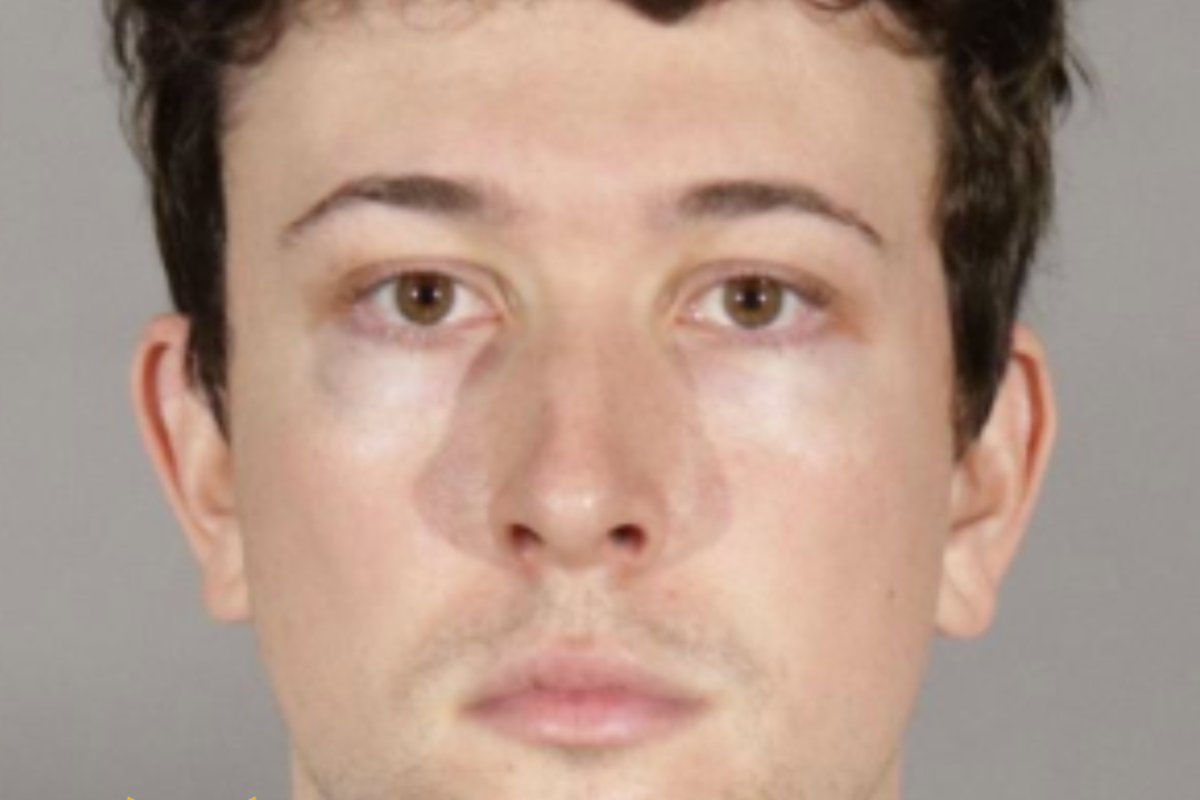
The arrest of 29-year-old Eduardo Rodriguez in late 2024 sent a shockwave through the Central Valley, but for those who track the intersection of predatory behavior and systemic failure, the details were chillingly familiar. Rodriguez stands accused of a violent spree that includes the kidnapping of two Fresno State students and the brutal assault of a third woman. While the headlines focused on the immediate terror of the crimes, a deeper investigation into the timeline reveals a pattern of missed signals and a justice system that often struggles to contain high-risk offenders before they escalate to life-altering violence.
Rodriguez was taken into custody following a coordinated effort by the Fresno Police Department and the California Highway Patrol. The charges are a grim inventory of felony offenses: kidnapping, forcible rape, and assault with a deadly weapon. However, the narrative isn't just about one man’s alleged depravity. It is about how a predator moves through a community, identifying vulnerabilities in the very places—like university perimeters—where safety is supposed to be a given.
Anatomy of a Targeted Campaign
The incidents began in the early autumn months, a period when campus life is at its most vibrant and, unfortunately, most predictable for someone watching from the shadows. Investigators believe Rodriguez did not stumble into these encounters. He hunted. The first reported kidnapping involved two female students who were targeted near the university's housing complexes.
In this instance, the suspect allegedly used a vehicle to intercept the victims, employing a blend of physical intimidation and the threat of a weapon. This is a hallmark of the "blitz" style of predation, where the offender relies on overwhelming the victim's senses to prevent escape or outcry. The logistics of the Fresno campus, with its sprawling parking lots and pockets of dim lighting, provided the necessary cover for such a brazen act.
What sets this case apart from random street crime is the recurring nature of the accusations. Within a short window of time, a third woman reported being raped at a separate location. DNA evidence and witness descriptions eventually funneled the investigation toward Rodriguez, but the gap between the first incident and his eventual capture highlights a recurring problem in California’s urban centers: the delay in real-time surveillance integration.
The Digital Blind Spots
We live in an era where high-definition cameras are ubiquitous, yet law enforcement often remains one step behind because of fragmented data sharing. In the Rodriguez case, the suspect’s vehicle was a primary link. License plate recognition technology exists across much of the state, but it is frequently managed by a patchwork of private entities and municipal departments that don't always communicate.
When a suspect moves between the jurisdiction of campus police and the broader city PD, information can get trapped in bureaucratic silos. This "lag time" is where predators thrive. In the days following the initial kidnappings, Rodriguez remained at large, potentially seeking more targets. It wasn't until a secondary forensic link was established that the net finally closed.
The question for university administrators is no longer about whether they have security, but about the quality of their proactive measures. "Blue light" emergency phones are a 20th-century solution to a 21st-century problem. They require the victim to reach a specific point. Modern predators, like the one Rodriguez is alleged to be, ensure their victims never get that chance.
Victimology and the Campus Environment
Universities are unique ecosystems. They house a high density of individuals who are often new to the area, lack established social support networks in the immediate vicinity, and follow rigid schedules. This makes them "target-rich" environments for offenders who are willing to spend time observing the ebb and flow of student movement.
The psychological impact on the Fresno State community has been profound. It isn't just about the physical injuries sustained by the victims; it is the destruction of the "safety bubble" that students pay thousands of dollars to inhabit. When a peer is snatched off a sidewalk, the collective trauma alters how every other student navigates their daily life. They stop walking to the library at night. They stop trusting the familiar faces in their neighborhood.
The Problem of Pre-Criminal Indicators
In many of these high-profile cases, the perpetrator has a history of smaller, "boundary-testing" offenses that go underreported or under-prosecuted. While the full criminal record of Rodriguez is still being scrutinized by defense and prosecution teams, the leap to kidnapping and rape rarely happens in a vacuum.
There is often a progression:
- Voyeurism or Stalking: Testing the ability to watch victims without being caught.
- Minor Physical Contact: Assessing the reaction of the public and the efficiency of local law enforcement.
- Escalation: Moving to felony-level violence once the offender feels emboldened by a lack of consequences.
California’s current legal climate, which has trended toward diversion and reduced sentencing for non-violent priors, is a point of intense debate. Critics argue that by failing to incapacitate individuals during the "testing" phase, the state inadvertently clears the path for the "execution" phase of more serious crimes.
Forensic Realities and the Prosecution
The case against Rodriguez is bolstered by what officials describe as significant physical evidence. In modern sexual assault investigations, the "rape kit" backlog remains a national disgrace, but in high-priority cases with an active kidnapper, the lab work is often fast-tracked.
DNA remains the "gold standard" for the prosecution. However, the defense will likely challenge the chain of custody and the methods of identification used by the victims. Eyewitness testimony is notoriously fallible under the stress of a kidnapping, which is why the forensic trail—GPS data from cell phones, tire track matches, and biological samples—will be the bedrock of the District Attorney’s strategy.
Rodriguez is currently held on high bail, a reflection of the perceived danger he poses to the public. If convicted on all counts, including the special allegations associated with kidnapping for the purpose of sexual assault, he faces a sentence that would effectively keep him behind bars for the rest of his natural life.
The Institutional Response
Following the arrest, Fresno State officials issued the standard communiqués: expressions of sympathy for the victims and reminders to "be aware of your surroundings." This is the corporate language of liability management. It shifts the burden of safety onto the potential victim rather than addressing the structural failures of the environment.
A hard-hitting analysis of the situation suggests that the university and the city must do more than offer "escort services" that few students actually use. There is a desperate need for:
- Hardened Perimeters: Increased physical barriers that prevent unauthorized vehicles from idling in high-pedestrian zones.
- Integrated Real-Time Operations Centers: Merging campus feeds with city police data to track suspicious vehicles instantly.
- Aggressive Prosecution of Stalking: Treating "minor" harassment with the weight it deserves before it turns into a kidnapping.
The victims in the Rodriguez case are more than just statistics in a crime report. They are young women whose lives were diverted by a man who saw an opportunity in the gaps of a broken system. The arrest provides a sense of closure to the immediate threat, but it does nothing to fix the underlying vulnerabilities that allowed him to operate in the first place.
The Cost of the Status Quo
Every time a story like this breaks, there is a flurry of activity—town halls, increased patrols, and media briefings. Then, the news cycle moves on. The patrols return to their normal levels, and the town halls are forgotten. This cycle of "reactive security" is exactly what predators count on. They are patient. They wait for the vigilance to fade.
The reality is that Eduardo Rodriguez is a symptom. The disease is a societal and institutional complacency that treats student safety as a logistical hurdle rather than a fundamental right. Until the "why" and "how" of these predatory paths are addressed with the same vigor as the eventual arrests, we are simply waiting for the next name to appear on a charge sheet.
If you are a student or a resident in a campus-adjacent area, do not rely solely on the institutions to protect you. Demand better lighting, demand integrated security tech, and demand that local prosecutors stop treating boundary-testing crimes as minor inconveniences.
Contact the Fresno District Attorney’s Office to track the progress of the Rodriguez hearings and ensure the pressure for a maximum sentence remains constant.