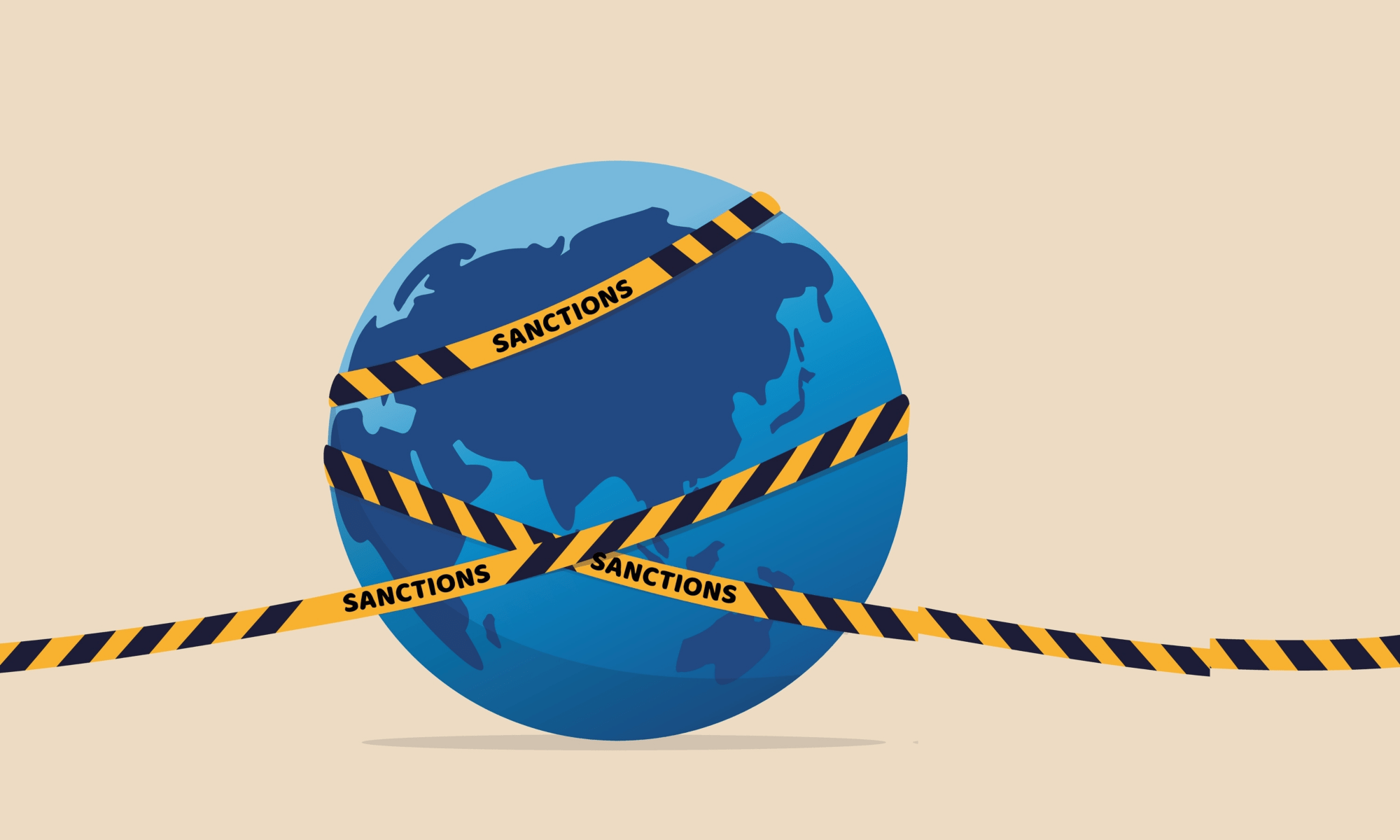
The European Union just proved that staying united is much harder than it looks on a press release. On March 14, 2026, the European Council pushed through a six-month extension of personal sanctions against more than 2,600 individuals and entities tied to Russia's ongoing war in Ukraine. This keeps the pressure on until at least September 15, 2026.
If you think this was a simple rubber-stamp job, you're wrong. It was a high-stakes game of chicken that almost saw the entire list expire.
The brush with a total collapse
The "silence procedure"—the diplomatic equivalent of "speak now or forever hold your peace"—was nearly derailed by a familiar duo: Hungary and Slovakia. Budapest and Bratislava spent weeks pushing to scrub several high-profile names from the list. We're talking about heavy hitters like Alisher Usmanov and Mikhail Fridman.
The logic from the holdouts was that these individuals hadn't personally pulled a trigger or that the legal basis for their inclusion had weakened over time. But the other 25 member states weren't buying it. Latvia and Poland led a fierce counter-charge, arguing that any "politically motivated" removals would signal a crack in the West's resolve.
Had no agreement been reached by the midnight deadline on March 14, the sanctions would have legally lapsed. Every frozen bank account, every seized villa on the Riviera, and every grounded private jet would have been back in the hands of the Kremlin’s inner circle. At the final hour, the objectors backed down, though not without securing a minor compromise.
Who stayed and who walked
The 2026 list remains massive, covering around 2,600 entries. This includes the obvious targets: Vladimir Putin, Sergey Lavrov, and the top brass of the Russian military. It also extends to regional governors, members of the Duma, and businessmen who provide the economic engine for the invasion.
However, the EU did trim the fat. Two living individuals were removed—reportedly including Dutch trader Niels Troost—along with five people who are now deceased. This isn't a sign of softening. It's a legal defensive move. The EU's Legal Service constantly reviews these cases because sanctioned individuals are increasingly winning in court. If the EU can't prove a current link to the war effort, they'd rather remove someone voluntarily than lose a humiliating lawsuit in the European Court of Justice.
What these restrictions actually do
- Asset Freezes: Any money or property held within the EU is locked. Owners can't sell, rent, or move these assets.
- Travel Bans: Listed individuals are barred from entering or even transiting through EU territory.
- Funding Prohibitions: It is illegal for any EU citizen or company to make funds available to those on the list.
The shadow fleet and 2026's new reality
Sanctions in 2026 aren't just about freezing bank accounts of rich guys. The focus has shifted toward the "shadow fleet"—the aging tankers used to bypass oil price caps. Recent updates in early 2026 have targeted dozens of vessels and their operators.
There's also a tightening of the "best efforts" rule. EU parent companies are now under a much heavier burden to ensure their subsidiaries in places like Kazakhstan or Armenia aren't being used as backdoors to ship dual-use tech into Russia. Basically, the "I didn't know what my branch office was doing" excuse doesn't fly anymore.
Why this is getting harder
Exhaustion is real. After four years of full-scale war, the low-hanging fruit—like banning luxury cars or seizing yachts—is gone. Now, the EU is debating things that actually hurt their own economies, like the phased ban on Russian LNG and pipeline gas that won't fully kick in until 2027.
The March 14 extension was a "maintenance" move, but it highlights the growing friction. Every six months, the EU has to repeat this dance. As some member states feel the pinch of high energy costs or trade losses, the temptation to trade sanction removals for political favors grows. For now, the "unity at all costs" camp is winning.
If you're dealing with international trade or finance, you need to check the updated EU Sanctions Map immediately. The list isn't static. Compliance isn't optional, and the penalties for "circumvention" were significantly sharpened in early 2026. Don't assume a name that was safe last year is safe now.
Check the Official Journal of the EU for the full, updated list of names to ensure your business isn't accidentally transacting with a newly designated entity.