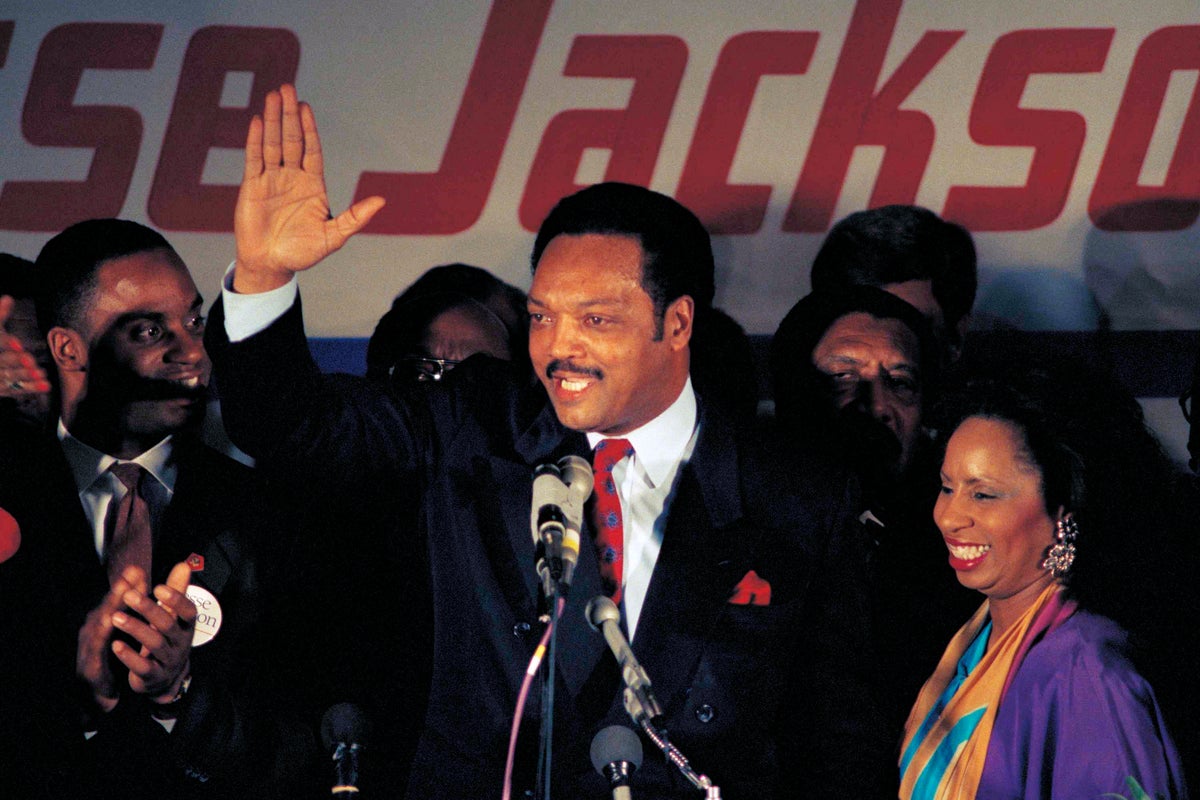
Stop refreshing the obituary pages. The standard "Year in Review" for 2026 is a masterclass in intellectual laziness. Every major outlet is busy cataloging the departure of aging movie stars and legacy politicians as if their passing marks a tectonic shift in the world. It doesn't. We are addicted to mourning the ghosts of 20th-century relevance while ignoring the fact that the actual seats of power have been vacant for years.
The "influential people" who died this year didn't take their influence to the grave. They had already lost it to algorithms, decentralized protocols, and the fragmented attention span of a digital-native populace. If you’re crying over a late-night talk show host or a senator who hasn't passed a meaningful bill since the Clinton administration, you’re participating in a performative ritual that celebrates a dead era of top-down authority.
The Mirage of Institutional Greatness
We have been conditioned to equate fame with impact. This is a fundamental error. When the press lists the "greats" lost in 2026, they are usually describing people who occupied high-visibility offices but held zero actual sway over the direction of the species.
I’ve spent fifteen years watching how narrative is manufactured in boardroom meetings and policy think tanks. The truly influential people are rarely the ones with their names on a marquee. They are the architects of the systems we can’t opt out of. If a famous actor dies, the show is recast, or the franchise is rebooted with a digital twin. If a legacy politician passes, their seat is filled by a party loyalist who votes exactly the same way. The machine is indifferent to the operator.
The competitor articles focus on "legacy." Legacy is just the brand equity of the deceased. It’t a marketing term. Real influence is the ability to change the path of a civilization. Most of the names on this year’s "Most Influential" lists were merely passengers on a train they didn't build and couldn't stop.
The Quiet Death of the Gatekeeper
The most significant deaths of 2026 aren't people. They are the institutions those people represented. We are seeing the final expiration of the "Monoculture."
In the 1990s, when a major cultural figure died, it was a shared trauma. Today, it’s a niche event. You might see a trending hashtag for twelve hours before the algorithm serves you a video of a cat playing the synthesizer or a deep-dive into supply chain disruptions in Southeast Asia. This fragmentation means that no single person can ever be "influential" in the way they were forty years ago.
The "Year in Review" lists refuse to acknowledge this because it makes their job harder. It’s much easier to write a 500-word eulogy for a pop star than it is to analyze the death of "The Trusted News Anchor" as a concept. We are mourning the end of a world where we all looked at the same people. That world is gone. Good riddance.
Why We Should Stop Celebrating "Service"
Look at the political obituaries of the last twelve months. You’ll see the word "service" used as a shield against any actual critique of a career. It’s a linguistic trick to bypass the data.
If a central banker who spent thirty years debasing a currency dies, the headlines focus on their "lifelong commitment to public finance." They don't mention the $30 trillion in debt or the hollowing out of the middle class. To be truly contrarian, we must evaluate these figures by the state of the world they left behind, not the titles they held.
- Title vs. Impact: A CEO who presided over a stagnating legacy firm for two decades is not "influential." They are a custodian of decline.
- Longevity vs. Quality: Being in the room for fifty years doesn't mean you did anything useful. It often just means you were better at surviving office politics than the talent around you.
The data suggests that the more "decorated" a leader is, the more likely they were a bottleneck for progress. True disruption happens on the fringes, far away from the gala dinners and the "Lifetime Achievement" awards.
The Intellectual Property Graveyard
2026 has been the year where we finally admitted that celebrities are just skins for intellectual property. When a legendary director or a prolific songwriter dies today, the primary concern of the estate isn't the art; it’s the licensing.
I have seen the contracts being drawn up in the entertainment industry. The "influence" of a star is now measured in how much training data they provided for the next generation of generative models. We are mourning the human while the corporation is busy refining the prompt. This is the brutal reality of the 2020s: your favorite icon is now a dataset.
If you want to know who was actually influential this year, look at the developers who died in obscurity. Look at the open-source contributors whose code keeps the global financial system from collapsing every Tuesday. Their names won't be in the glossy magazines, but their absence will be felt in the heat of the servers and the latency of the network.
The Wrong Questions About Legacy
Most people ask: "What will they be remembered for?"
The better question is: "What did they stop from happening?"
Power in the modern era is often obstructive. The most influential people of the last thirty years were the ones who successfully prevented better ideas from replacing their own. They protected their monopolies, their seniority, and their outdated worldviews. When these people die, the air gets thinner for the rest of us. We should be celebrating the vacancy, not crying over the loss.
The Myth of the "Great Man"
We are still stuck in the 19th-century "Great Man" theory of history. We want to believe that individuals drive the world. It’s a comforting lie. It makes the world feel manageable. If we can just find the right leader, the right visionary, or the right icon, everything will be fine.
But 2026 has proven that we are governed by systems, not souls. The people we lost this year were largely symptoms of those systems.
- The Tech Mogul: A byproduct of cheap capital and a lack of antitrust enforcement.
- The Pop Icon: A creation of massive marketing budgets and algorithmic curation.
- The Statesman: A survivor of a gerontocracy that refuses to pass the torch.
When you strip away the PR, you’re left with a collection of people who were mostly in the right place at the right time. Their "influence" was a collective hallucination we all agreed to participate in.
Stop Looking Back
Every minute you spend reading a "Year in Review" is a minute you aren't looking at the horizon. The people who will actually define the 2030s are currently working in garages, labs, and anonymous Discord servers. They don't care about the deaths of the 2026 "influencers" because they don't recognize the authority of the old guard.
We need to stop treating the obituary section like a scoreboard.
If you want to honor the dead, stop repeating their mistakes. Stop bowing to the institutions they built to protect themselves. The most influential thing any of the people on that 2026 list ever did was leave. They finally got out of the way.
Now, the rest of us can actually get to work.
Identify the three people you think were most "influential" this year. Now, find the person who actually built the tools they used to gain that influence. That is the person whose work matters. Everyone else is just noise.
The era of the individual icon is over. The era of the system is here. Adjust your mourning accordingly.