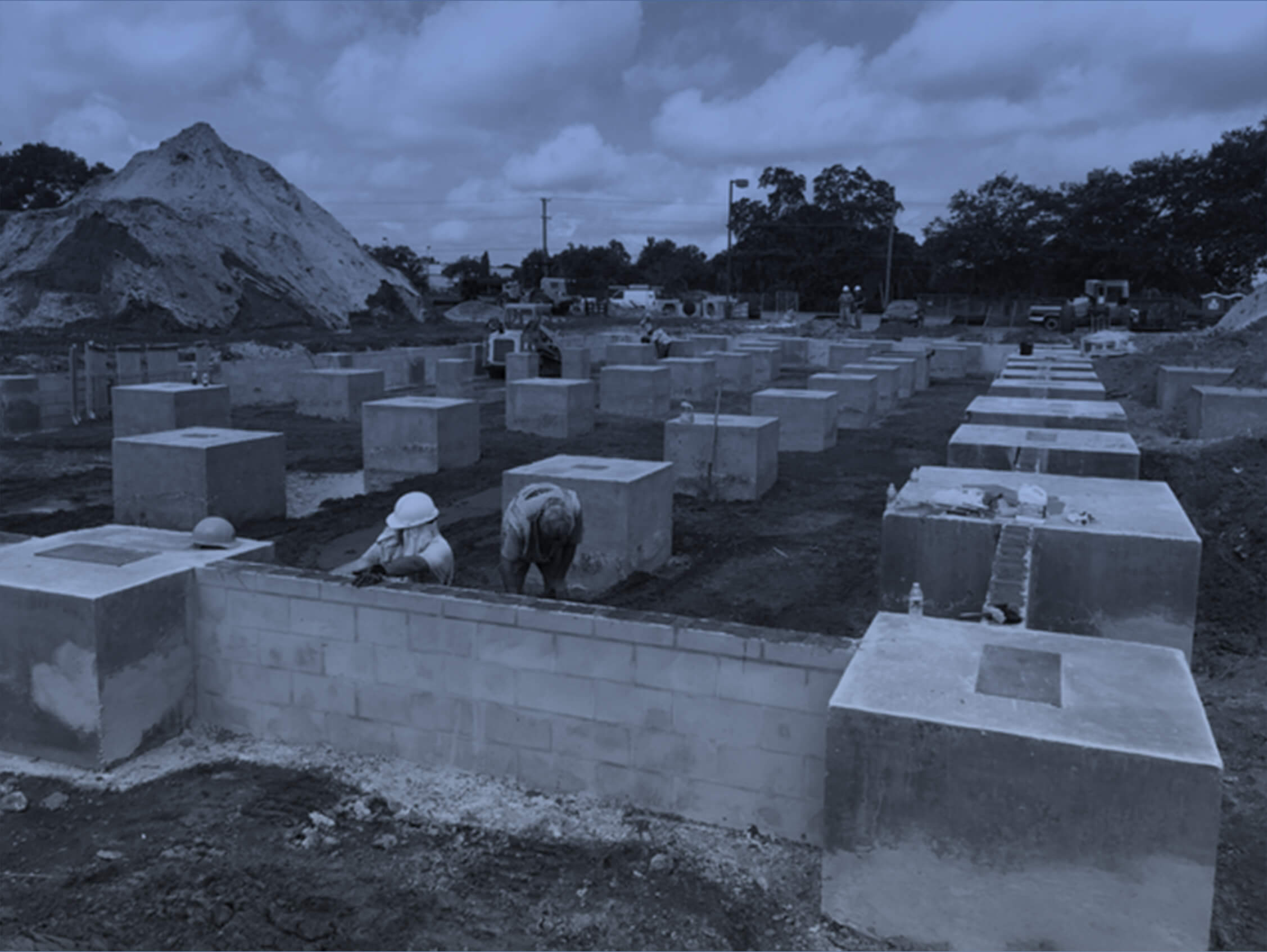
The Pacific Ocean doesn't care about architectural purity. It beats against the Malibu shoreline with a rhythmic, salt-heavy indifference, slowly reclaiming anything that isn't bolted down, maintained, or loved. On a stretch of sand where the world’s most powerful people hide their vulnerabilities behind floor-to-ceiling glass, one house stands out. Not because of its beauty, but because of its silence.
It is a gray skeleton. A monument to a vision that was stripped of its skin. For a deeper dive into this area, we suggest: this related article.
This is the house Kanye West—now legally known as Ye—bought for $57 million. It was designed by Tadao Ando, a master of concrete who treats the material like silk. But the vision didn't involve living in an Ando masterpiece; it involved gutting it. Ye wanted a "bomb shelter from the 1910s." He wanted the windows gone. He wanted the electricity ripped out. He wanted a hollowed-out sanctuary of brutalist isolation.
But dreams of isolation still require the hands of others to build them. For further information on the matter, comprehensive coverage is available on Wall Street Journal.
The Cost of the Unfinished
Tony McWilliams didn't come to the Malibu coast to chase fame. He came to work. As a contractor and project manager, his reality was measured in logistics, labor hours, and the physical safety of a crew working on a precarious cliffside. In the world of high-stakes celebrity construction, the gap between a "creative vision" and a "building code" is often where the trouble starts.
For McWilliams, that gap eventually became a $140,000 hole.
Consider the life of a contractor on a project of this magnitude. You aren't just swinging hammers; you are managing a delicate ecosystem of specialized skills and expensive materials. When the checks stop clearing, the ecosystem collapses. You still owe your crew. You still owe your suppliers. You are left holding the bill for someone else's unfinished dream.
The legal battle that followed wasn't just about a line item on a balance sheet. It was a clash of realities. On one side, a billionaire artist viewing a property as a canvas that could be discarded or altered at a whim. On the other, a professional whose livelihood depended on the basic social contract of labor: I do the work, you pay the fee.
The Judge’s Final Word
The courtroom in Los Angeles doesn't have the dramatic lighting of a music video. It is a place of fluorescent hums and the dry rustle of legal filings. This week, a judge brought a cold, hard ending to this specific chapter of the Malibu saga.
Ye was ordered to pay McWilliams exactly $140,163.22.
The ruling came via a default judgment. In the world of law, a default judgment is the equivalent of a forfeit. It happens when one side simply stops showing up, stops responding, or fails to provide the necessary defense to keep the wheels of the case turning. For a man who once dominated every headline and every conversation, the silence in the courtroom was deafening.
It wasn't just the $140,000. The court also tacked on $1,600 in costs. It is a drop in the bucket for a man of Ye's historical wealth, yet it represents a massive victory for the person on the other side of the ledger.
The Architecture of Abandonment
To understand why this lawsuit matters, you have to look at the house itself.
The Ando house was once a marvel of precision. After Ye took possession, the interior was demolished. The custom finishes were hacked away. The plumbing was removed. The house was essentially turned into a concrete box open to the elements. For nearly two years, the salt air has been drifting through the empty window frames, corroding the exposed rebar.
Imagine buying a Stradivarius violin and then stripping the varnish and removing the strings because you prefer the "honesty" of the raw wood.
The contractor, McWilliams, was caught in the middle of this transition from masterpiece to ruin. His lawsuit alleged that he was forced to work under grueling conditions, sometimes logging 16-hour days and sleeping on the floor of the construction site to guard the property. He claimed he was fired when he refused to remove the home's backup generators, which he believed posed a massive fire risk.
This is the "invisible stake" in celebrity news. We see the headline about the dollar amount, but we don't see the man sleeping on a cold concrete floor in Malibu, wondering if he’s going to be able to pay his own mortgage because a superstar decided to change the "vibe" of a renovation.
The Weight of the Concrete
There is a specific kind of exhaustion that comes from working for a genius who has lost his North Star.
When Ye first purchased the property, it was seen as a move of high-culture sophistication. He was aligning himself with Ando, a Pritzker Prize winner. It was a statement of permanent, heavy, structural legacy. But as the legal troubles mounted—not just with McWilliams, but with several other former employees and business partners—the house became a metaphor for his broader career.
It was a project started with immense resources and brilliant ideas that was ultimately left to rot because the human cost of finishing it became too high.
The $140,000 judgment is a small piece of a much larger crumbling structure. Ye recently listed the property for $53 million, then dropped it to $39 million. Even at that price, it struggled to find a buyer. Who wants to buy a "bomb shelter" that needs $20 million in repairs just to make it habitable again?
Beyond the Invoice
If you’ve ever waited for a payment that was late, you know the feeling. The tightening in the chest. The way you check your banking app at 3:00 AM. The way the person who owes you the money suddenly seems like a ghost, unreachable and untouchable.
For the wealthy, a lawsuit is a strategic delay. For the worker, a lawsuit is a desperate attempt to reclaim a year of lost life.
The legal system is often criticized for being slow and favoring those with the deepest pockets. But in this instance, the system functioned as a blunt instrument of accountability. It said that regardless of your Grammys, your influence, or your "vision," the man who shows up to work deserves his wages.
The story of the Malibu mansion isn't really about real estate. It’s about the friction between the ethereal world of celebrity and the physical world of labor. You can't build a monument to yourself without the people who know how to mix the cement. And you can't walk away from the bill forever.
The house still sits there on the coast. The concrete is stained by the rain. The wind whistles through the gaps where the glass used to be. It is a hollowed-out shell, beautiful in a tragic, broken way, staring out at an ocean that will eventually win the war against it.
The debt to McWilliams is settled, at least on paper. But the house remains a ghost, a $57 million reminder that it’s much easier to tear something down than it is to live inside the things we build.
The salt stays on the wind. The rebar continues to rust.