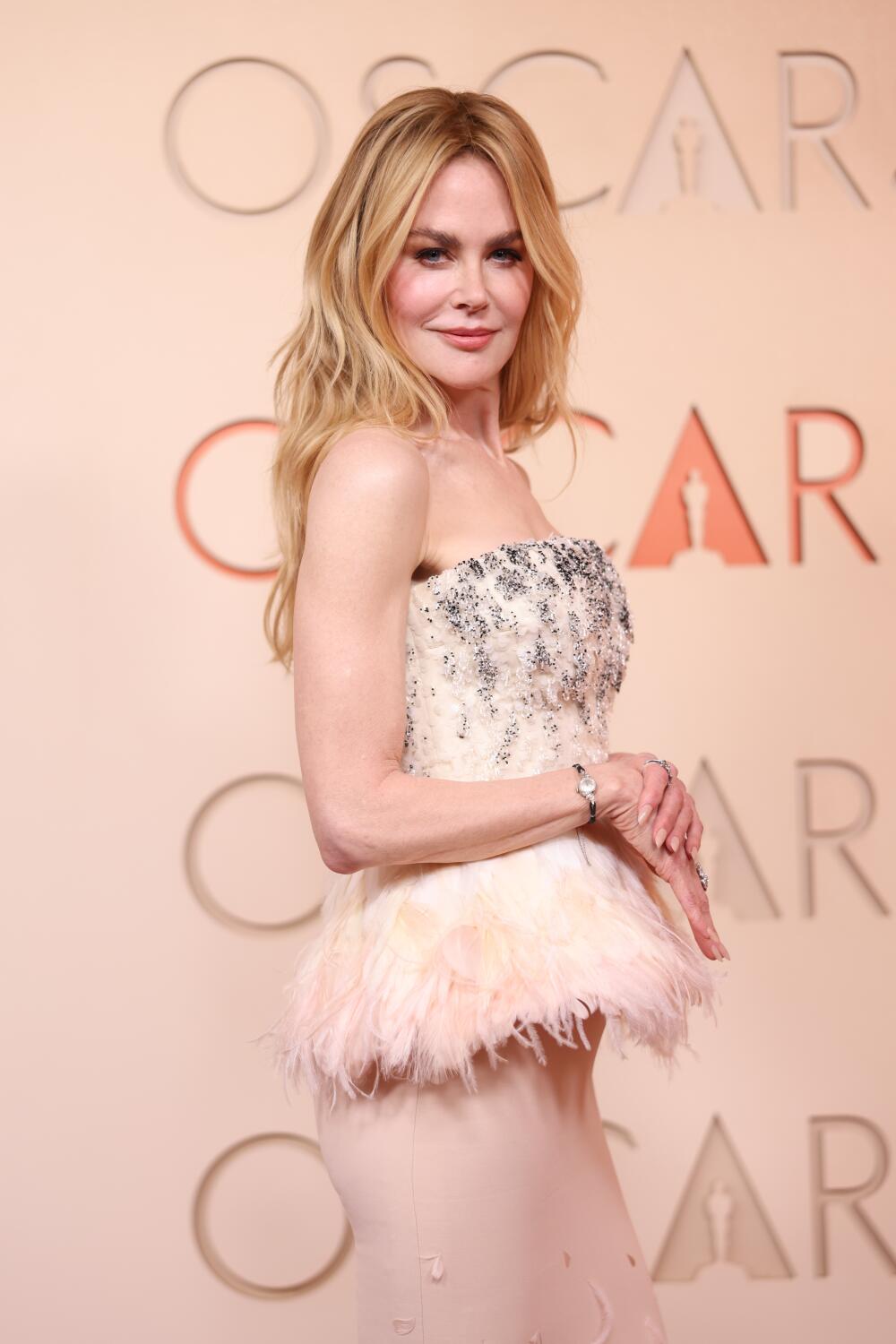
The Academy Awards finally stopped trying so hard. For years, the Oscars felt like a funeral for a medium that wasn't even dead yet. We had the slap. We had the wrong envelope. We had Jimmy Kimmel doing his best, but the energy always felt a bit like a high school principal trying to keep a rowdy assembly under control. Then Conan O'Brien walked out. Within three minutes, the "King of the Oscars" title wasn't just a hyperbolic headline. It was a fact.
Hosting the Oscars is a thankless gig. You're performing for a room full of people who are either starving, terrified of losing, or annoyed they have to sit through three hours of technical awards. Most hosts play it safe or lean too hard into mean-spirited snark. Conan did something different. He leaned into the absurdity of the whole thing. He didn't just tell jokes; he conducted an orchestra of chaos that the telecast desperately needed.
Why Conan O'Brien actually works as a host
The biggest mistake Oscar hosts make is thinking they're the main event. They aren't. The movies are. But the second biggest mistake is thinking the audience wants a dry, respectful ceremony. They don't. We want to see the artifice stripped away. We want someone to acknowledge that spending millions of dollars on gold statues while the world burns is a little bit ridiculous.
Conan has spent thirty years perfecting the "smartest guy in the room acting like the dumbest" persona. It's a specific brand of self-deprecation that works perfectly for a room full of massive egos. When he mocks a legendary director, it doesn't feel like a cheap shot. It feels like a wink. He's one of them, but he's also us.
His opening monologue didn't rely on tired political tropes or "who are these people" gags. Instead, he utilized his physical comedy—that lanky, kinetic energy that hasn't faded a bit since his NBC days. He moved. He used the stage. He made the room feel small and intimate rather than cold and cavernous.
The anatomy of a perfect opening monologue
A great monologue has to do three things. It has to acknowledge the front-runners, roast the losers before they even lose, and set a rhythm for the next four hours. Conan nailed the rhythm. Most hosts stutter through the first ten minutes because they're waiting for the "room" to give them permission to be funny. Conan didn't wait. He took it.
He skipped the "movies are back" sentimentality that usually bogs down the first act. We know movies are back. We bought the tickets. We don't need a montage of people crying in dark theaters to tell us that cinema matters. We need a reason to stay tuned in through the Sound Editing and Live Action Short categories.
Ditching the teleprompter feel
The best moments felt unscripted. Even if they weren't, the delivery was so loose that it gave the impression of a guy just riffing with his friends. That's the Conan magic. He treats a global audience of millions like it's a 2:00 AM improv set in a basement. It lowers the stakes in a way that actually makes the show more watchable. When the stakes are too high, the show feels stiff. When it's loose, it's legendary.
Learning from the hosting disasters of the past
We've seen what happens when the Academy tries to "reach the youth" by hiring people who clearly don't want to be there. Remember James Franco? It was a disaster because there was no joy. Hosting requires a level of performative enthusiasm that most "cool" actors can't muster.
Conan, on the other hand, is a student of the medium. He understands the history of variety television. He's the bridge between the old-school charm of Johnny Carson and the weird, internet-brained humor of today. He didn't try to be TikTok famous. He just tried to be funny.
The "King of the Oscars" label isn't just about the ratings, though those certainly didn't hurt. It's about the vibe shift. For the first time in a decade, the Oscars felt like a party you actually wanted to be invited to, rather than a mandatory corporate retreat.
How to watch the Oscars like a pro
If you missed the live broadcast, don't just watch the highlights on social media. The context matters. The way Conan transitioned from a joke about a three-hour epic to a heartfelt introduction for a veteran actor is a masterclass in tone management.
- Watch the full monologue: Don't settle for the 60-second clip. The build-up is where the genius lies.
- Pay attention to the cutaways: The reactions from the front row tell you everything you need to know about who can take a joke and who can't.
- Look for the physical gags: Conan’s use of the space is what separates him from the "stand-behind-the-mic" hosts.
The Academy has a choice now. They can go back to the rotating door of safe bets, or they can realize that Conan O'Brien just gave them the blueprint for survival. People want to laugh. They want to be entertained. They want someone who isn't afraid to look a little silly in a tuxedo.
Go find the full replay on the official streaming partner's app. Study how he handles the silence. That's where the real skill is. If you're a fan of late-night or just someone who misses when TV felt alive, this was your Super Bowl. Don't let the "prestige" of the awards distract you from the fact that this was, at its core, a brilliant piece of comedy writing and performance.